CJI Advocates for Protests, Cautions Against Judicial Involvement
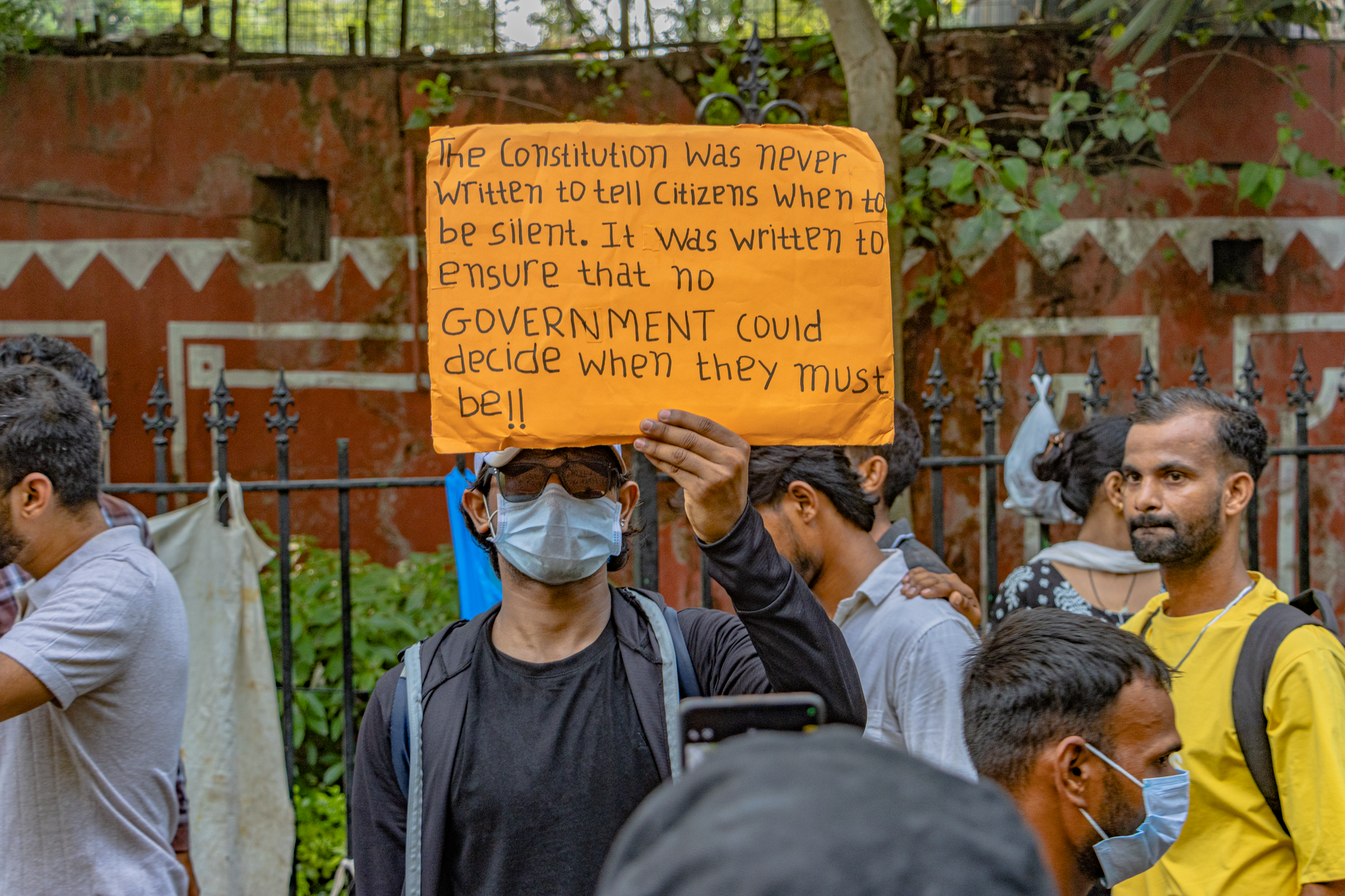
In a statement poised to resonate through the corridors of power, the Chief Justice of India (CJI) has stressed the critical importance of preserving the sanctity of judicial processes amidst the clamour of democratic protests. His remarks come at a time when political demonstrations appear to be on the rise, both in intensity and frequency, across the nation.
"People have the right to hold major movements and protests," the CJI affirmed, underlining the fundamental democratic right to express dissent. However, he was quick to caution against dragging the Supreme Court into the fray, emphasising that the judiciary must remain an impartial arbiter, untouched by the turbulence of political tides.
This call for judicial restraint is significant, especially as protests become a more prominent feature of the political landscape. From students at Aligarh Muslim University rallying against unsatisfactory conditions to larger national movements, the right to protest is deeply embedded in India's democratic ethos.
The CJI's comments highlight a critical balance that must be struck. While the right to protest is enshrined in the Indian Constitution, the judiciary's role is to remain above partisan conflicts, safeguarding the rule of law without being drawn into political machinations.
The Challenge of Judicial Independence
India's judiciary has long been seen as a bulwark against political overreach. Yet, as protests become more intertwined with judicial proceedings, the risk of compromising this independence grows. Recent events have shown how easily legal processes can become entangled with political agendas, potentially undermining public confidence.
In this context, the CJI's warning serves as a reminder of the judiciary's essential role in maintaining democratic principles. It is a call to ensure that, even as citizens exercise their right to protest, the courts remain a neutral ground, untainted by the political controversies of the day.
Ultimately, the Chief Justice's remarks are a clarion call to preserve the integrity of India's democratic institutions. As protests continue to play a pivotal role in shaping the country's political discourse, the judiciary's independence stands as a cornerstone of a healthy democracy, ensuring that justice remains blind to political influence.