CJI Surya Kant: Supreme Court as the Pillar of Environmental Justice
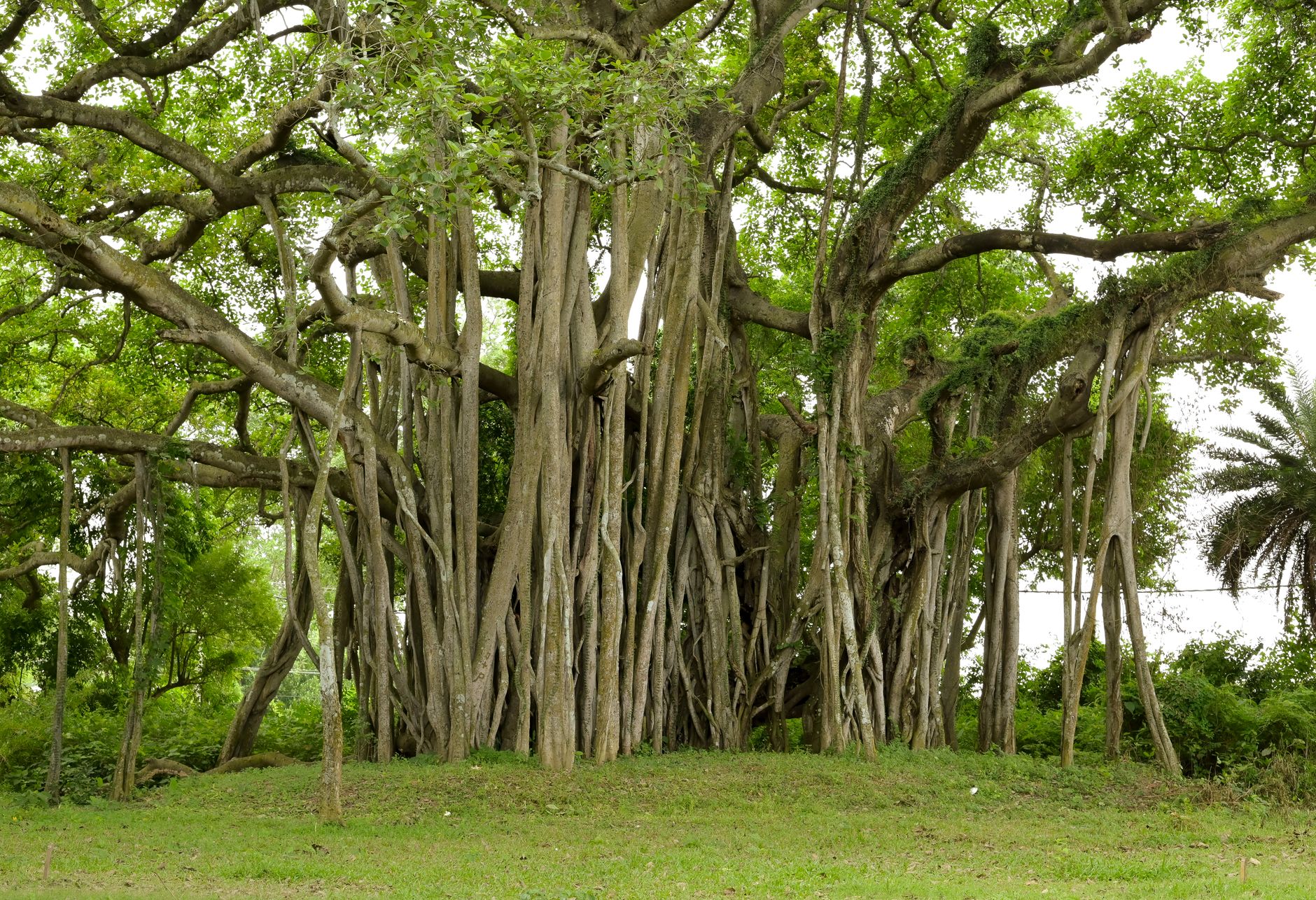
In an evocative address in New Delhi, Chief Justice of India Surya Kant likened the Supreme Court to a 'banyan tree' of environmental justice. This poetic metaphor was not merely a rhetorical flourish but a statement laden with significance. The banyan tree, with its sprawling roots and sheltering canopy, represents stability and resilience—qualities much needed in the ongoing struggle between development and conservation.
Justice Kant's remarks come at a time when India's rapid industrialisation is increasingly at odds with its environmental commitments. The Supreme Court, he argued, has been pivotal in navigating this complex landscape, striving to ensure that economic progress does not trample the nation's ecological heritage.
He elaborated, "From the dawn of civilisation, India has held eternal reverence for Mother Nature." This sentiment is enshrined in the country's constitutional provisions, but as he pointed out, these provisions are but seeds needing the nurturing waters of judicial wisdom to sprout into life.
The challenge, as Justice Kant noted, is not merely to choose between conservation and development but to harmonise them. "The question before us is how we can sustain both, ensuring that one does not come at the expense of the other," he remarked.
Indeed, the Supreme Court's interventions in landmark cases—ranging from air pollution control to wildlife protection—have underscored its role as a guardian of environmental justice. Its decisions have often set precedents that balance the scales between necessary development and environmental stewardship.
Yet, this is no easy task. The judiciary must navigate a labyrinth of interests, from industrial lobbyists to grassroots activists, each with their own vision of India's future. In doing so, the Supreme Court must remain a bulwark, a steadfast protector of the environment against the encroachment of unrestrained development.
As India continues its journey towards economic prosperity, the Supreme Court's role as the 'banyan tree' of environmental justice will only grow in importance. Its roots, as Justice Kant reminded us, are deep within the ethos of our civilisation, and it is upon these roots that the future of India's environmental health rests.