CJI Surya Kant Urges Supreme Court to Steer Clear of Political Fray
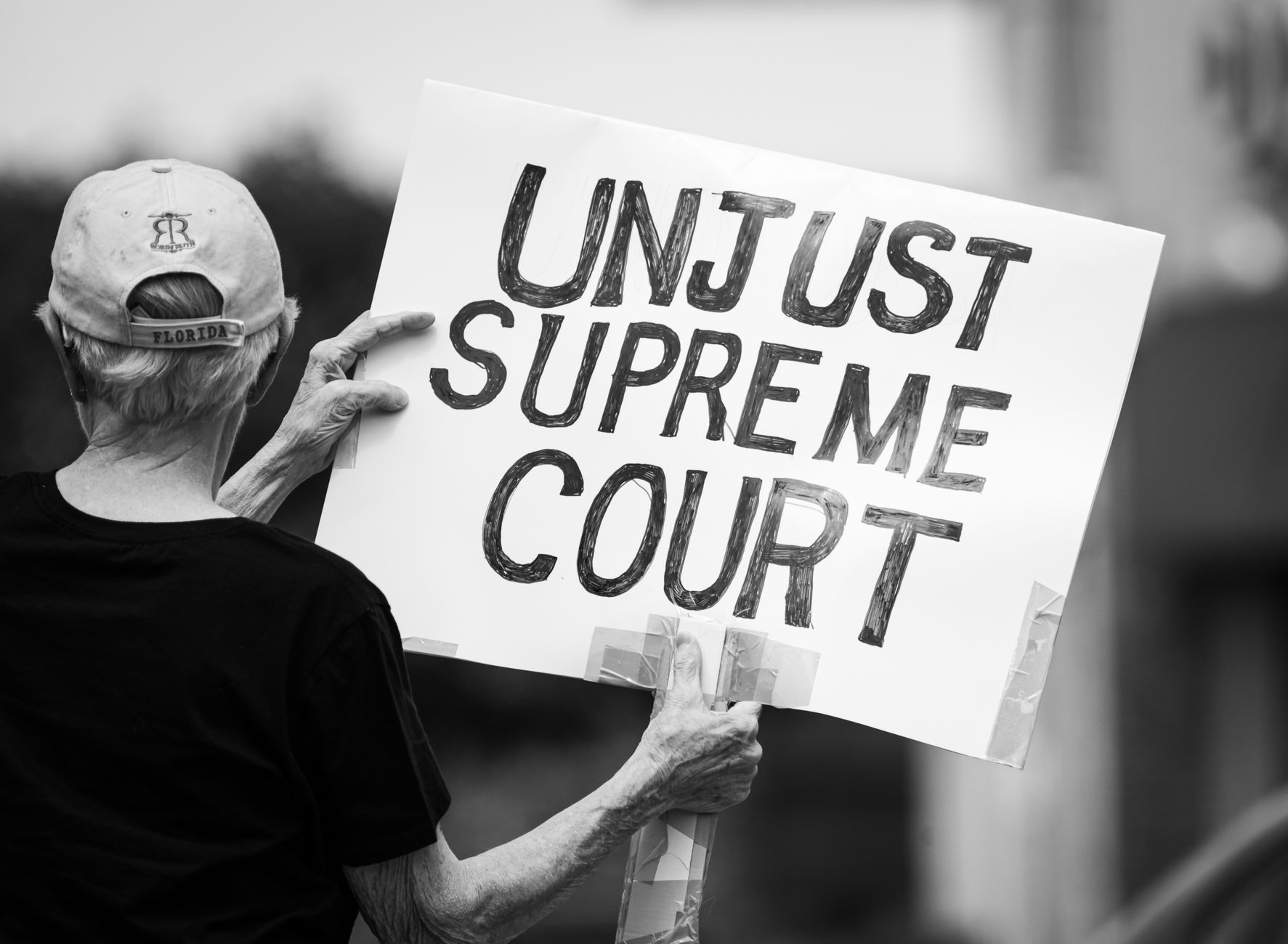
In an age where the lines between judiciary and politics seem increasingly blurred, Chief Justice of India Surya Kant has issued a clarion call to preserve the independence of the Supreme Court. Speaking amid the ongoing protests in Delhi over alleged police excesses, the CJI made it clear: the highest court of the land should not be ensnared in the web of political manoeuvring.
His remarks, delivered with the gravity one might expect from the nation's top judge, come at a time when the judiciary's role is under intense scrutiny. 'The Supreme Court is a sentinel on the qui vive guarding the Constitution,' Kant asserted. 'It must not be dragged into the domain of politics.'
Protests and Legal Boundaries
The Delhi protests, characterised by fervent demonstrations against alleged police brutality, have sparked calls for judicial intervention. Yet, the CJI was unequivocal in his stance. While the court is duty-bound to uphold constitutional rights, the issue of protests, he said, 'is not my domain'.
This declaration underscores the delicate balance the judiciary must maintain between ensuring justice and overstepping into political arenas. With tensions simmering, Kant urged lawyers to ensure the smooth functioning of the court, emphasising that the judiciary's core mission must not be overshadowed by external pressures.
A Call for Judicial Restraint
The Chief Justice's comments reflect a broader discourse on the separation of powers within India's democratic framework. As the protests continue to swell, questions about government accountability and police conduct are rife. However, Kant's message was a reminder of the court's primary duty to interpret the law, not to become embroiled in political disputes.
His remarks serve as a poignant reminder of the judiciary's role as an impartial arbiter. In a nation where political tempests frequently rage, maintaining this impartiality is paramount. As the situation in Delhi evolves, the Supreme Court's stance, as articulated by CJI Kant, will likely continue to be a touchstone in debates on judicial intervention and political neutrality.