CJI's Remarks on Activists Stir Concerns of Bias and Prejudice
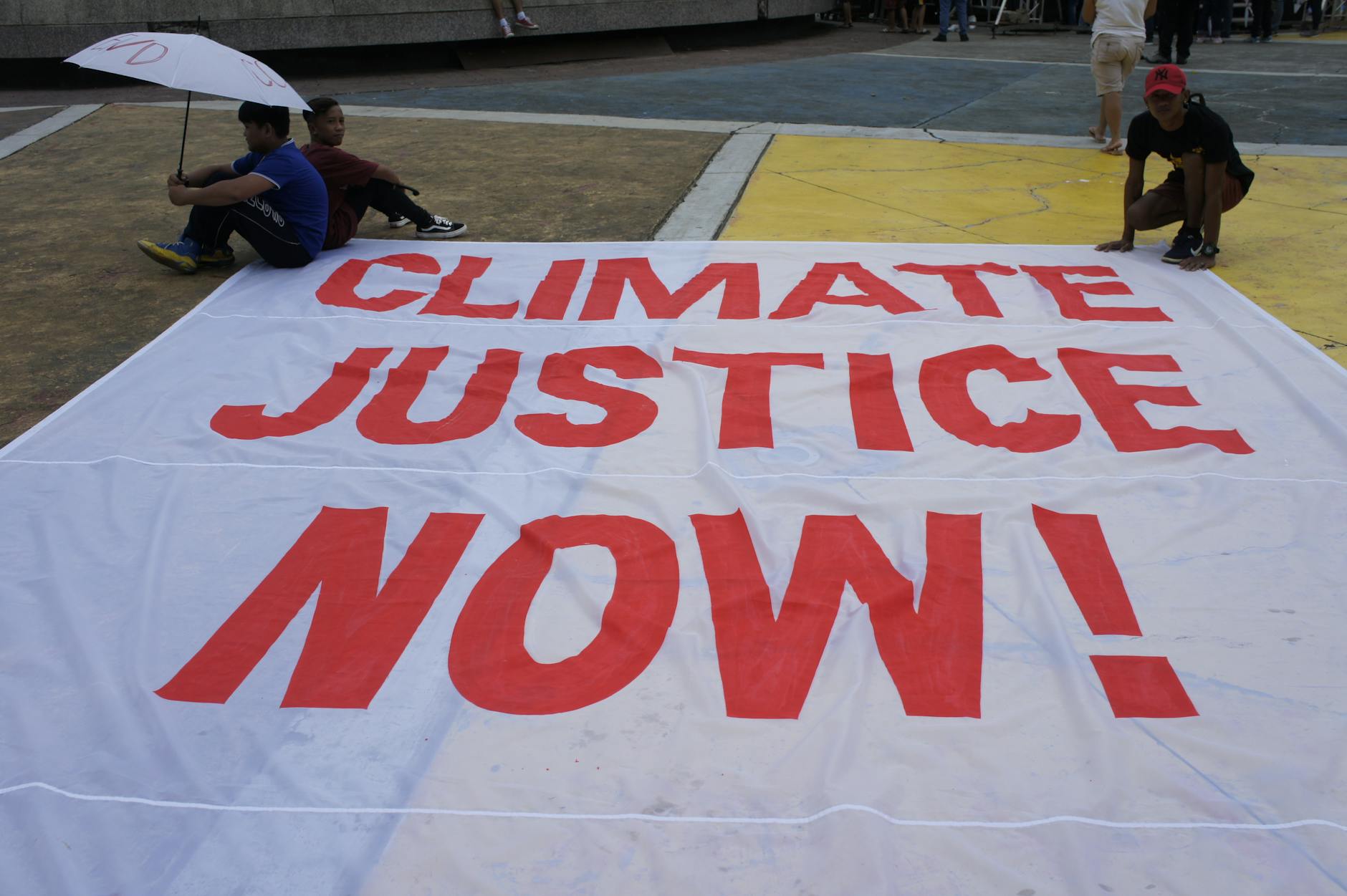
In what has turned into a contentious issue, Chief Justice of India (CJI) Surya Kant’s recent remarks on environmental activists have set off a wave of criticism. The Chief Justice, in a statement on 11th May, challenged the activists to point out even a single development project they had welcomed. His comments, suggesting bias against environmentalists, have been met with strong opposition from a consortium of former bureaucrats and environmentalists.
More than 70 retired civil servants have penned an open letter condemning the remarks, expressing deep concern over what they perceive as a bias from the country's highest judicial authority. They argue that the Chief Justice’s statements could potentially weaken environmental safeguards and silence essential voices of dissent crucial for a democratic society.
Judicial Accountability Under Scrutiny
The controversy has thrown a spotlight on the delicate balance between development and environmental conservation in India. Development projects often come under scrutiny for their ecological impact, and environmental activists have played a pivotal role in holding these projects accountable. Critics argue that dismissive remarks from such a senior judicial figure could discourage activism, which is seen as a necessary counterbalance to unbridled development.
The retired officials’ letter points out the alarming nature of such comments, stating, “It is particularly troubling when the judiciary, which is the guardian of our Constitution and rights, appears to dismiss the concerns of those who seek to protect our environment.”
A Broader Debate on Development and Conservation
The debate is not new but has been reignited by the Chief Justice's comments. Environmentalists argue that development need not come at the expense of the environment and that sustainable practices should be integrated into planning processes. The tension between economic growth and environmental sustainability remains a contentious issue in India's policy circles.
Amidst these discussions, the role of the judiciary in maintaining a fair and unbiased stance becomes critical. The judiciary is often the last recourse for activists seeking to challenge environmentally detrimental projects. Thus, any perceived bias could undermine public confidence in its impartiality and effectiveness.
As the debate continues, it remains to be seen how these remarks will impact future interactions between the judiciary and environmental activism. For now, the controversy serves as a stark reminder of the challenges faced in balancing development with environmental stewardship.