CJP Chief Dipke Challenges Modi Amid Degree Controversy
In what could be described as a bold move, Abhijeet Dipke, the chief of the Cockroach Janata Party (CJP), has decided to tackle critics head-on by offering to display his Boston University degree. This gesture comes amidst a flurry of online scepticism questioning the authenticity of his academic credentials.
Dipke's educational background became the subject of intense scrutiny following social media claims that he never attended the prestigious American institution. Some sceptics even went as far as to suggest that his degree is not evident in his public demeanour.
Responding to these allegations, Dipke stated, "I am ready to show my degree, but let’s ask the 'pawpaw' to do the same." This was an apparent reference to Prime Minister Narendra Modi, whom Dipke has challenged to reveal his own educational qualifications.
The 'School Thik Karo' Campaign
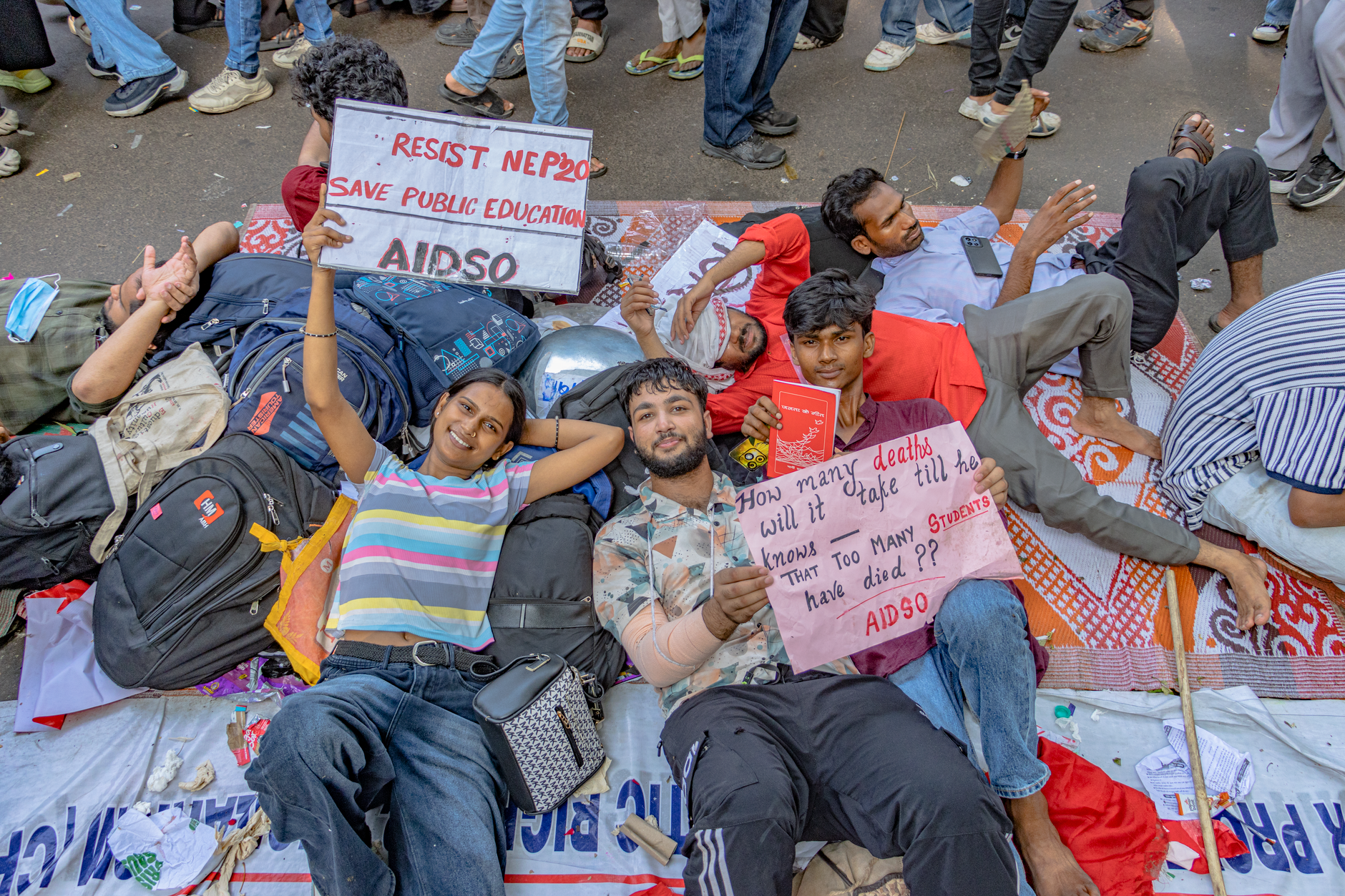
The timing of this controversy coincides with Dipke's active involvement in promoting the CJP's 'School Thik Karo' campaign, which aims to improve educational standards across India. Launched on 15 August, the initiative has garnered significant attention and support.
Some political analysts suggest that the degree row could either detract from or bolster the campaign, depending on the public's perception of Dipke's response. By addressing the allegations directly, Dipke may be attempting to portray himself as a transparent and accountable leader.
A Broader Political Context
Dipke's challenge to Modi adds an intriguing layer to the ongoing debate about transparency in Indian politics. The issue of educational qualifications has long been a point of contention among India's political class.
While Modi's educational background has been questioned in the past, he has largely remained silent on the subject. Dipke's public dare may thus reignite discussions about the importance of educational transparency for public officials.
As the situation unfolds, it remains to be seen whether Dipke's strategy will pay off, or if it will merely add fuel to the fire of speculation surrounding his own qualifications.