CJP's Call to Action: Improve Conditions in India's Government Schools
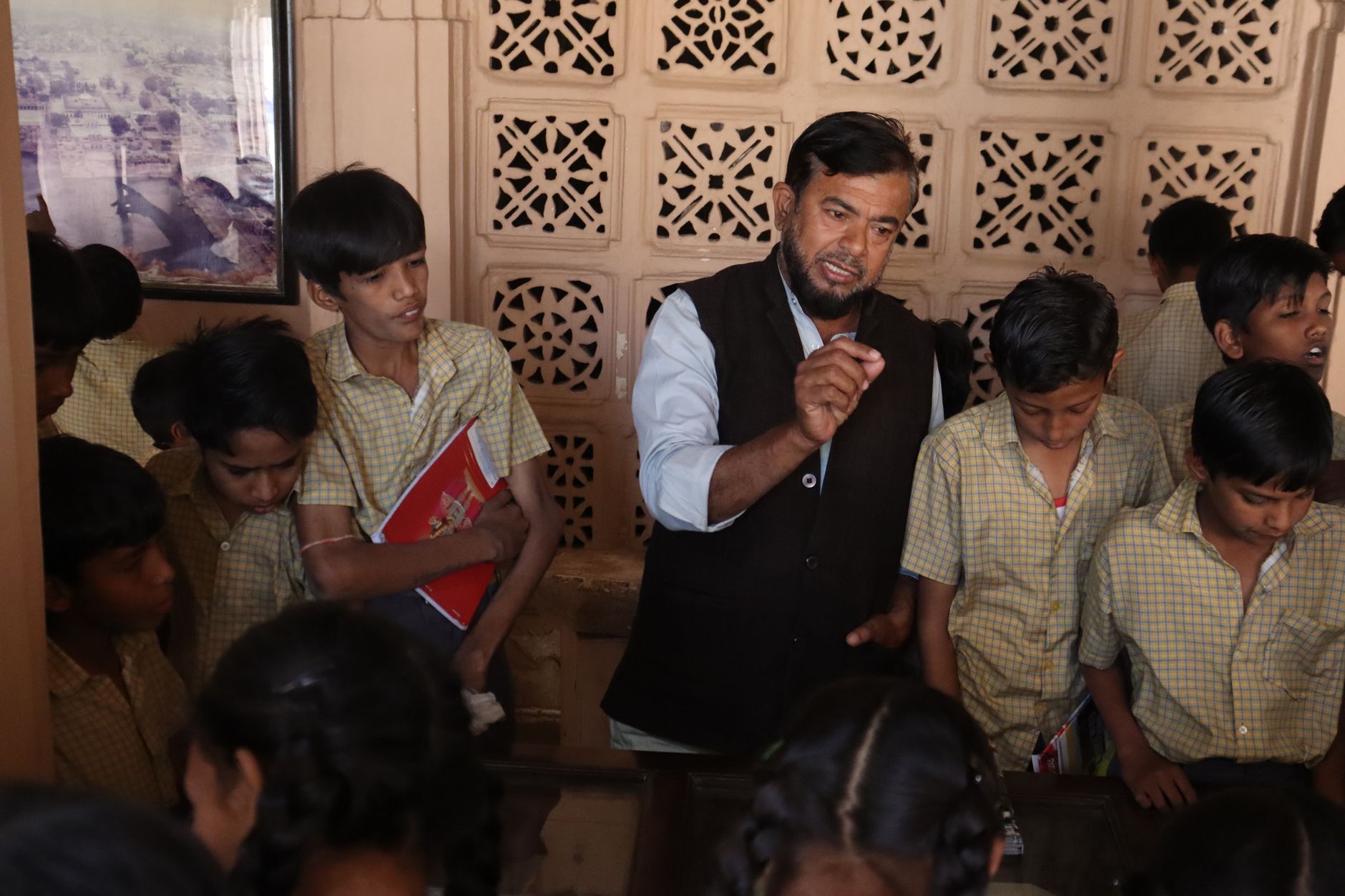
In a move that underscores the urgency of educational reform, Abhijeet Dipke, a prominent figure in the Cockroach Janta Party, has called upon state education ministers across India to address the chronic issues plaguing government schools. His recent letter demands a comprehensive audit of the current state of school infrastructure, teacher vacancies, and financial management.
Dipke's letter is not merely a call for data collection but a clarion call for action. He questions the absence of basic amenities such as clean drinking water and functional classrooms, which, he argues, should be a given in any educational institution. The current state of affairs, according to Dipke, is not just deplorable but unacceptable.
A Call for Transparency
The letter asks for state-wise data detailing the number of schools that have undergone renovations over the past five years and those that continue to languish in disrepair. Dipke insists on transparency regarding the number of sanctioned and vacant teaching posts, as well as the funds allocated and spent in recent years.
“Children should not be compelled to study in unsafe or inadequate conditions,” Dipke writes, adding that these circumstances severely hinder educational outcomes. By highlighting these issues, he aims to galvanise governments into treating public education as an urgent priority.
Implications for the Future
The focus on improving educational infrastructure is not just a matter of providing a safe learning environment but also one of fostering a competitive future generation. Inadequate facilities and teacher shortages have long-term repercussions that go beyond immediate learning outcomes, affecting the socio-economic fabric of the nation.
Dipke's initiative reflects a growing recognition that educational reform is integral to national development. As states begin to respond, the key will be ensuring that promises translate into tangible improvements. The challenge remains vast, but the call for action is clear.