CJP's Dipke Calls for Focus on Education and Jobs in Modi's Address
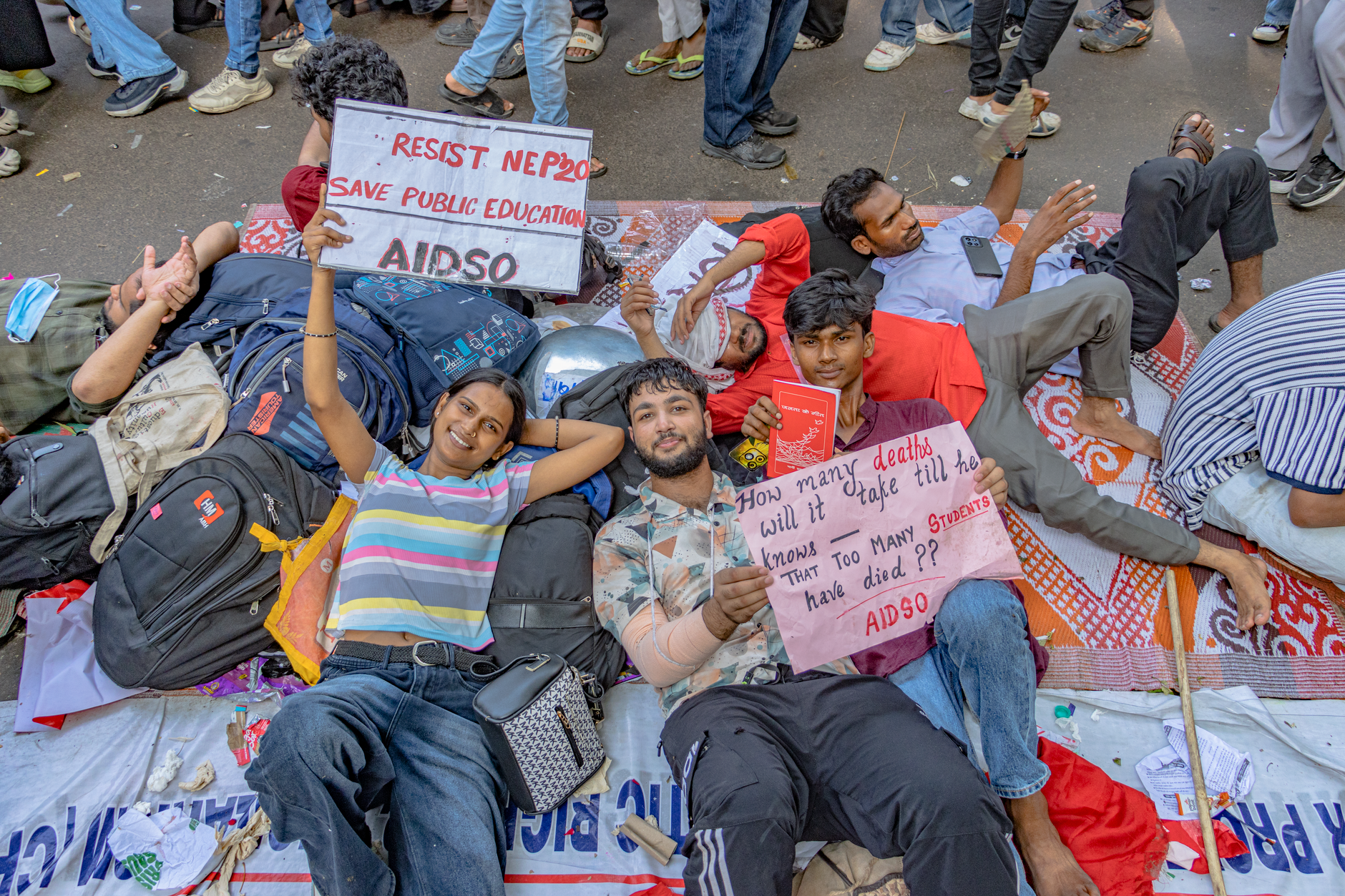
In a move that underscores the mounting pressure on the Indian government to address youth discontent, Abhijeet Dipke, founder of the Campaign for Justice and Peace (CJP), has publicly urged Prime Minister Narendra Modi to focus on education and employment in his forthcoming Independence Day address. This comes on the heels of widespread protests against the National Eligibility cum Entrance Test (NEET) and signals a growing demand for systemic reform.
Dipke's call to action is not merely a plea but a strategic push aimed at redirecting the national conversation towards issues that directly impact India's burgeoning youth population. "Every Independence Day, our Prime Minister speaks from the Red Fort. This time, we want the speech to be for Gen Z and the youth," Dipke articulated in a post on social media platform X, formerly known as Twitter.
These remarks follow closely on the back of Prime Minister Modi's recent comments in which he forgave students who had harshly criticised him and his late mother during a protest at Jantar Mantar. Modi described the students as "misguided children," suggesting that they required guidance rather than punitive measures.
Rising Expectations
The CJP's campaign is set to prioritise public engagement, encouraging the government to go beyond mere electoral commitments. Dipke has warned that failure to heed these demands could escalate the campaign to include calls for the resignation of Education Minister Dharmendra Pradhan, and potentially, the Prime Minister himself.
India's youth, increasingly vocal and politically active, are grappling with high unemployment rates and a competitive education system that many feel is out of touch with contemporary needs. The NEET protests highlighted these frustrations, as students demand a more equitable and accessible system.
The Way Forward
As the nation prepares for its Independence Day celebrations, the government's response to these calls for reform will be closely watched. Dipke's call for Modi to address these issues is a reminder of the growing impatience among India's younger generations. The question remains whether the Prime Minister will seize this opportunity to bridge the gap between rhetoric and reality.
In a country where nearly half the population is below the age of 25, the stakes are undeniably high. An address that acknowledges and addresses these concerns could mark a pivotal moment in Modi's leadership, potentially reshaping his relationship with India's youth.