Clam Revival in Florida: A Scientific Triumph in the Indian River Lagoon
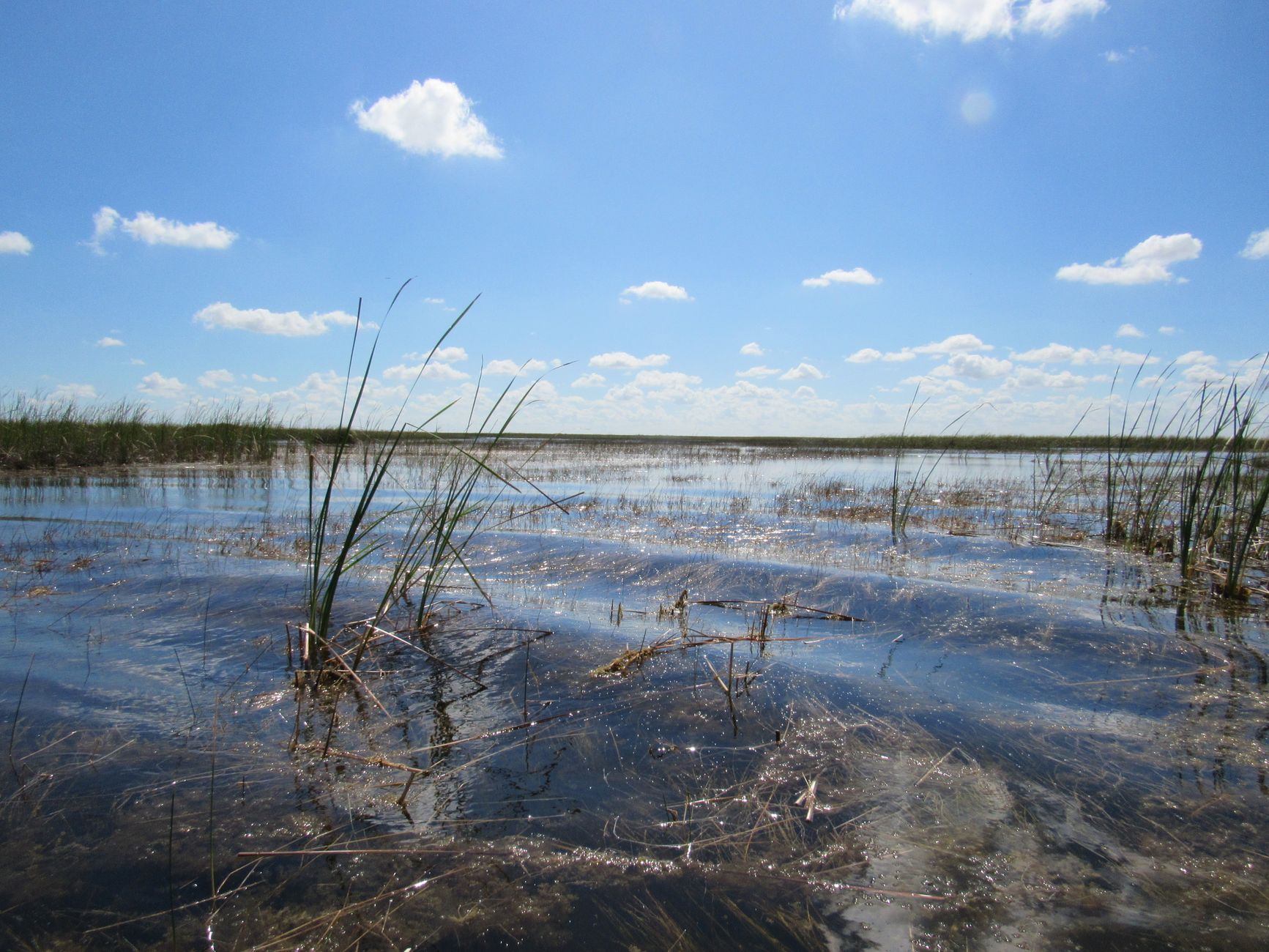
In 2018, the Indian River Lagoon in Florida faced a seemingly insurmountable challenge. The once-bustling estuary had been reduced to a mere 39 surviving clams. Decades of overharvesting and devastating algal blooms had brought the clam population to the brink of extinction. However, hope was not lost.
A team of intrepid researchers from the University of Florida's Whitney Laboratory of Marine Bioscience embarked on a mission to revive this critical ecosystem. Their discovery of the 'super clams', capable of enduring the harshest of conditions, was a turning point. These resilient molluscs became the foundation for an ambitious regeneration project.
The Power of Resilience
Fast forward to today, and the story is one of triumph. Scientists have successfully bred these clams, resulting in an awe-inspiring 65 million being reintroduced into the lagoon. This remarkable feat was achieved through a combination of scientific expertise and community engagement, with partners such as the Riverside Conservancy and Captain Blair Wiggins at the helm.
Restoring Balance
The role of these clams extends beyond mere numbers. Each adult clam can filter up to 20 gallons of water per day, playing a crucial role in maintaining the water quality and supporting the broader ecosystem. Their introduction has not only helped clean the lagoon but also provided a habitat for other marine life to flourish.
The ripple effect of this project is significant. It demonstrates the impact that dedicated research and collaborative efforts can have in reversing environmental damage. The success in the Indian River Lagoon serves as a powerful reminder of nature's resilience and the potential for recovery when human intervention aligns with ecological needs.
As the project draws to a close, it opens the door to new opportunities and partnerships, with continued support from entities like the Coastal Conservation Association and Duke Energy. The journey of the Indian River Lagoon is far from over, but it stands as a testament to what can be achieved when science and community unite for a common cause.