Climate Change Fuelling Skin Health Crisis in Poorer Nations
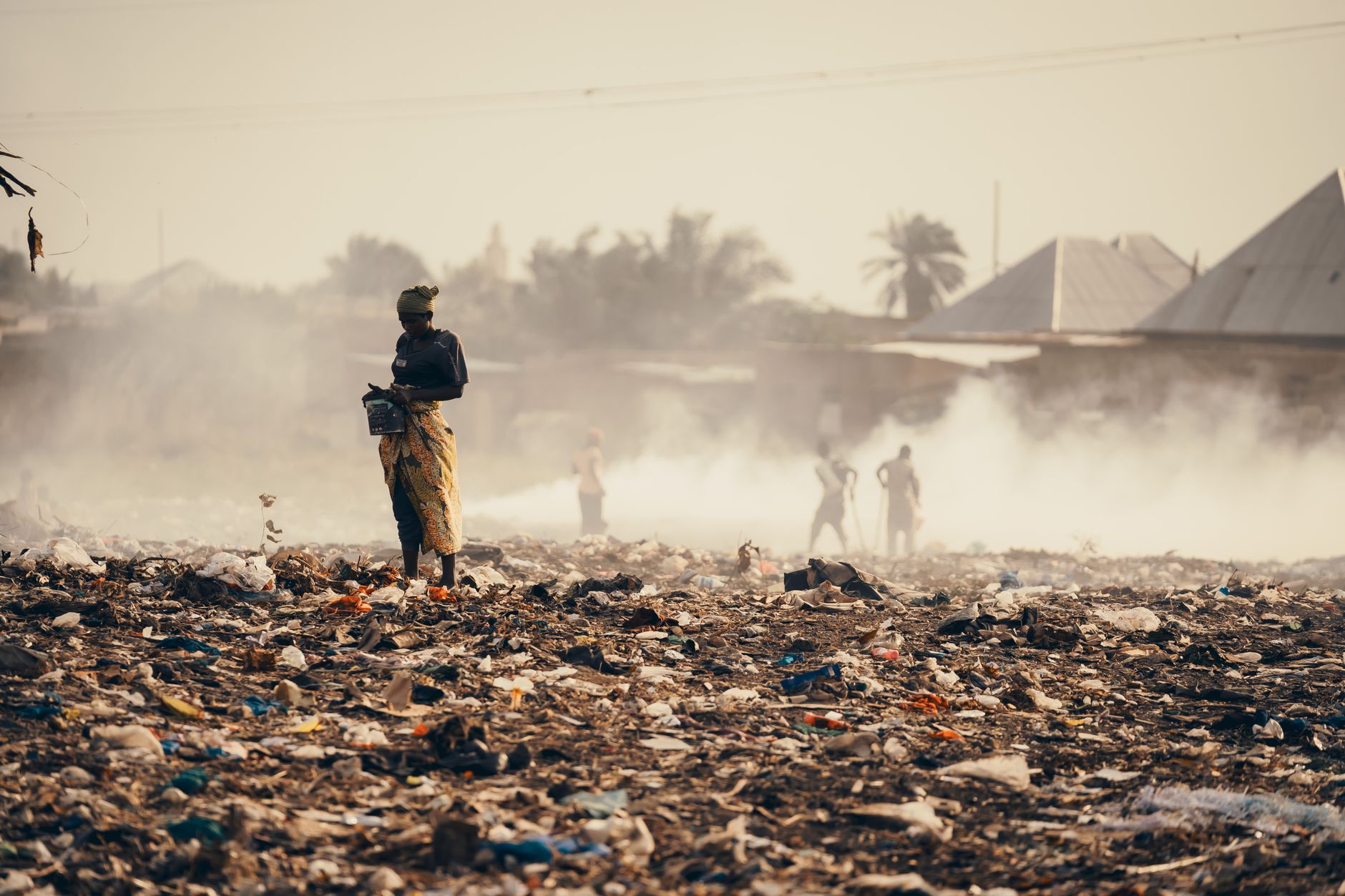
The spectre of climate change looms large, casting its shadow on the skin health of millions worldwide. According to a comprehensive study covering 136 countries, more than 40% have reported climate-related shifts in the prevalence and severity of skin diseases. Alarmingly, it's the lower-income nations that find themselves most beleaguered.
In these countries, the struggle for clean air and safe water is compounded by a healthcare system ill-equipped to handle the burgeoning dermatological issues. The link between climate change and skin health is not merely superficial. Extreme temperatures and increased UV radiation exacerbate conditions like eczema and skin cancer, while flooding and humidity foster fungal infections.
The Burden of Inequality
Poorer nations, already grappling with food insecurity and inadequate healthcare infrastructure, are particularly vulnerable. The cost of treatment can be prohibitive, with individuals often paying out of pocket. Meanwhile, women, due to systemic gender inequalities and reproductive roles, face heightened risks.
As the world gathers for climate talks, the health ramifications become a critical talking point. The climate crisis, with its multifaceted impact, threatens to erode decades of progress in global health, demanding immediate and inclusive strategies.
Global Response Required
There's an urgent need for international cooperation to devise more robust health systems that are resilient to climate impacts. Addressing the socio-economic disparities that magnify these health issues is crucial. Without equitable solutions, the gap between the haves and have-nots will only deepen.
The time for action is now. As climate change continues unabated, the health of the planet's most vulnerable populations hangs in the balance. Addressing this crisis requires not just scientific innovation but also political will and global solidarity.