Colossal Iceberg A23a Melts Away After Decades
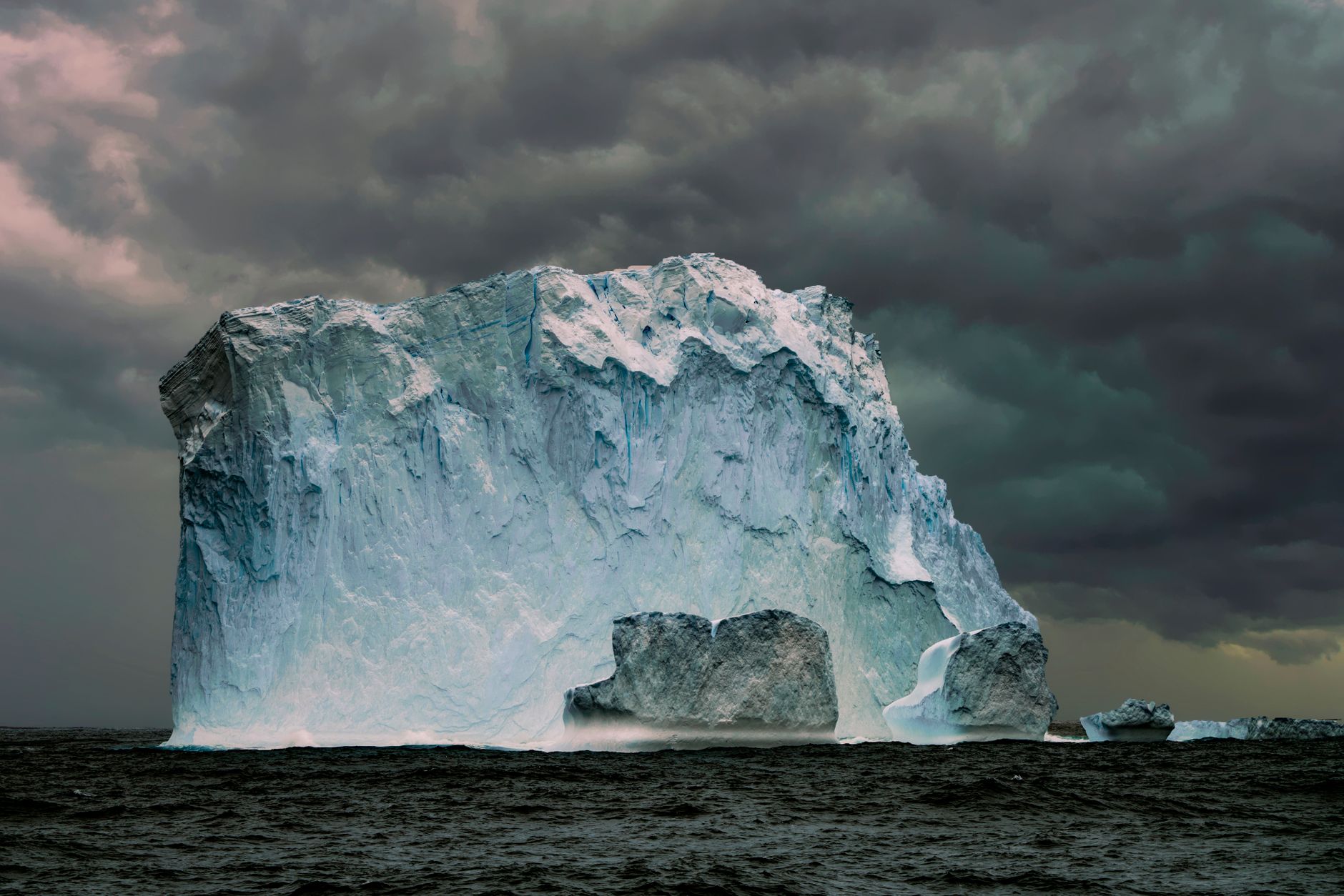
In the icy expanse of Antarctica, where colossal icebergs have long stood as frozen sentinels of the polar seas, a remarkable chapter has drawn to a close. The iceberg known as A23a, once grander than the island of Bali, has succumbed to the inexorable forces of nature, disappearing after nearly 40 years.
At its zenith, A23a covered an astonishing area of 3,500 square kilometres, dwarfing even the sprawling city of London. This gargantuan block of ice, which had remained steadfastly anchored to the ocean floor for decades, has now fragmented into tiny pieces, its remnants swallowed by the sea.
The demise of A23a is emblematic of the dynamic changes underway in the Antarctic ice regime. With A23a gone, the crown of the world's largest iceberg now rests upon D15a, a tabular berg located near the Davis research station, measuring about 1,200 square miles. This transition highlights the fluidity of the Antarctic environment, where icebergs, though seemingly eternal, are subject to the whims of climate and ocean currents.
For scientists, the disappearance of A23a offers a poignant reminder of the impermanence of these icy giants and the pressing need to understand the impacts of climate change. Icebergs like A23a serve as both indicators and catalysts of environmental shifts, and their journeys are closely watched by researchers aiming to decipher the complex interactions between ice, ocean, and atmosphere.
Despite its disappearance, A23a leaves behind a legacy of data and insights. Over the years, it has been a focal point for scientific studies, offering clues about melting patterns, ocean circulation, and the broader implications of a warming planet. Its story is not just one of loss, but of the enduring quest to understand the planet's most remote frontiers.