Colossal Snake Fossil Unearthed in India Rivals World's Largest
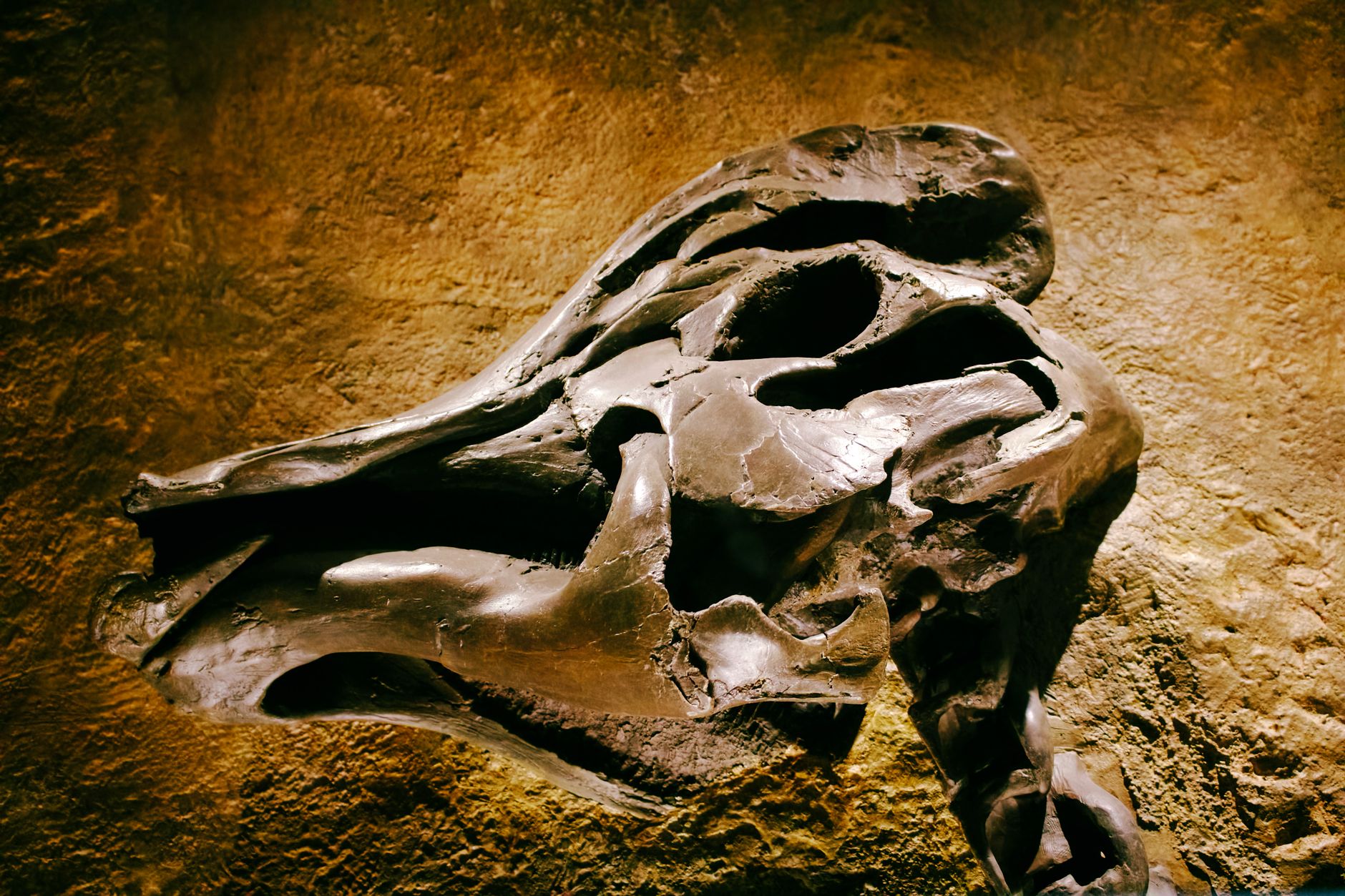
Amidst the dust and fossil-rich sands of Gujarat, a discovery has emerged that might just rewrite the history books. Scientists delving into a lignite mine have uncovered the remains of Vasuki indicus, a prehistoric snake that could have once slithered its way into the ranks of the largest serpents known to mankind.
With an estimated length stretching between 36 to 49 feet, Vasuki indicus challenges the remarkable stature of Titanoboa. The latter has long held the title of the largest snake, at over 40 feet long, discovered in Colombia. The Indian find, however, offers fresh fodder for the debate over prehistoric gigantism, raising questions about the ecological conditions that might have allowed such behemoths to thrive.
The Fossil Find
Unearthed from Gujarat’s lignite deposits, Vasuki indicus joins a rich lineage of discoveries that have turned this Indian state into a palaeontologist’s paradise. The region, already noted for its diverse array of prehistoric fossils, now adds this formidable serpent to its roster. The conditions of the lignite mine, which preserved the snake’s remains so well, have allowed researchers to glean crucial insights into its possible lifestyle.
Experts suggest that, much like its modern relatives, the Vasuki indicus was likely an ambush predator. Its immense size would have made it a formidable foe, yet it was probably slow-moving, relying on stealth and surprise to capture prey. This method is not unlike the tactics of today’s largest snakes, such as anacondas and pythons, albeit on a much grander scale.
Why It Matters
The discovery of Vasuki indicus is more than just a tale of a giant snake; it is a window into the past, offering insights into the climatic and environmental conditions of prehistoric India. Such finds are crucial for understanding how life on Earth has evolved, and how past ecosystems supported such gigantic creatures. Moreover, it underscores the importance of continued exploration and study of India's fossil sites, which hold untapped secrets of the ancient world.
As scientists continue to analyse these remains, the world watches with bated breath, eager to see what more this colossal serpent can teach us about our planet's distant past.