Commonwealth Games 2026: India's Sporting Challenges Ahead
In a move that has sent ripples through the sporting community, the Glasgow 2026 Commonwealth Games is set to feature a reduced roster of just ten sports, shedding the likes of hockey, badminton, and wrestling. This decision, primarily influenced by financial constraints, marks a significant departure from past editions of the Games.
The exclusion of these sports is particularly impactful for India, a nation that has traditionally excelled in disciplines like hockey and badminton. For many Indian athletes, these sports have been synonymous with glory on the international stage, consistently contributing to the country's medal tally.
Financial Prudence or Lost Opportunity?
Organisers of the 2026 Games have cited the need for a cost-effective model as the primary reason behind the trimming of the sports programme. Hosting an event of this magnitude inevitably involves considerable expenditure, and the decision to scale back is aimed at ensuring financial sustainability. However, this cost-cutting measure has not been universally welcomed.
For India, the absence of key sports translates into a potential decline in medal acquisitions. The country has historically relied on its prowess in badminton and hockey to bolster its position on the medal table. With these avenues now closed, Indian athletes must adapt to a new competitive landscape, focusing on the ten selected sports.
Strategic Realignments
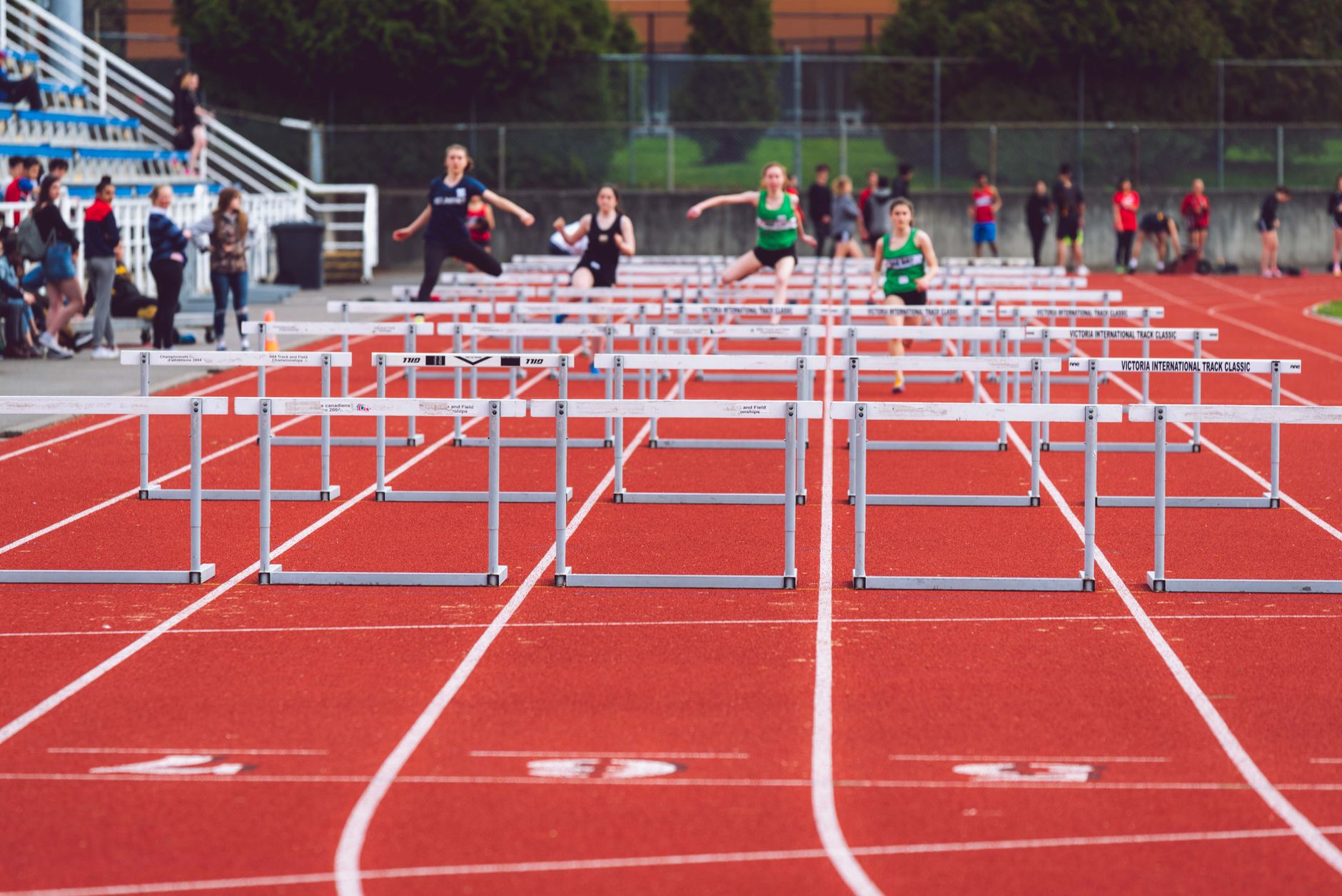
India’s sports administrators are now tasked with recalibrating their strategies. The challenge lies not only in preparing athletes for the selected sports but also in maintaining the morale and motivation of those whose disciplines have been excluded. The emphasis will likely shift towards sports such as athletics and weightlifting, where India will aim to make a significant impact.
Globally, the reduction in sports at the Commonwealth Games has raised questions about the future of multi-sport events. As hosting costs continue to soar, the feasibility of maintaining expansive programmes is under scrutiny. For India, this could be a moment of reckoning, urging a reassessment of priorities and investments in sports development.
As the nation gears up for Glasgow 2026, the spotlight will be on how effectively India can navigate these new waters. The Games will undoubtedly pose unique challenges, but they also offer an opportunity for Indian athletes to demonstrate resilience and adaptability.