Congress Accuses BJP-RSS of Undermining Education System
In a scathing commentary on the current state of India's education system, the Congress party has launched a blistering attack on the ruling BJP and its ideological partner, the RSS. Accusing them of 'hollowing out' the nation's educational institutions, Congress leader Jairam Ramesh claimed the system has been corrupted beyond recognition.
Speaking at a press conference on Sunday, Ramesh alleged that the BJP-RSS agenda has systematically undermined educational integrity, replacing academic merit with ideological indoctrination. According to him, this shift has left students grappling with a curriculum that is increasingly seen as an instrument of political influence rather than a beacon of learning.
Rahul Gandhi's Support
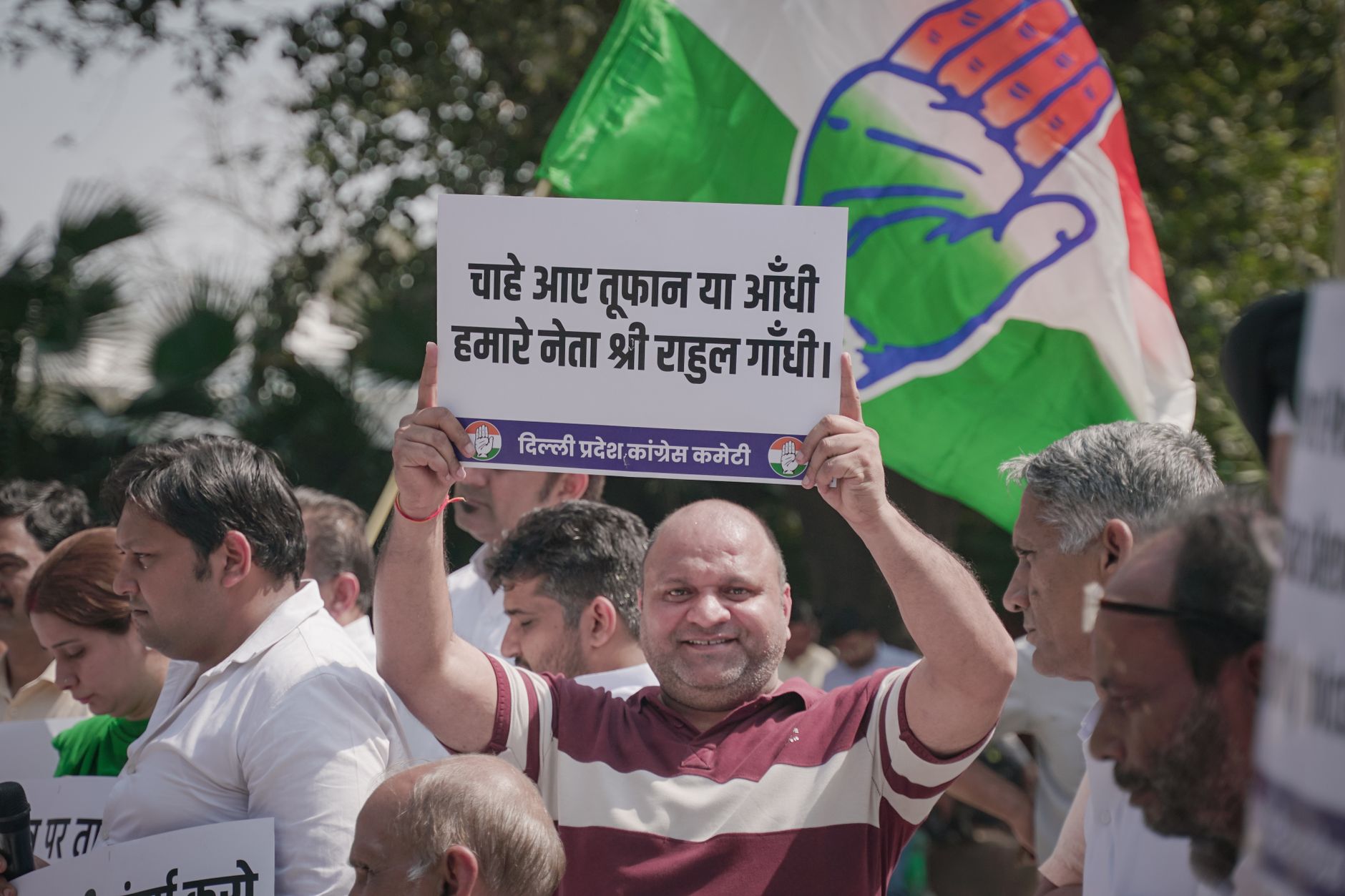
Rahul Gandhi, often seen as the torchbearer of Congress's vision for a secular and inclusive India, has thrown his weight behind the students. His support comes at a time when students across the country are clamouring for accountability from the government. Gandhi's involvement is being viewed as a significant boost for student protests, which have been gaining momentum.
Gandhi has been vocal about the need for reform, advocating for a system that prioritises critical thinking over rote learning. His stance resonates with many who feel that the current educational framework stifles creativity and innovation.
Political Implications
The Congress's accusations come amid a broader debate on the direction of India's education policy. Critics argue that the BJP's emphasis on cultural nationalism is skewing educational content, with textbooks reportedly being rewritten to reflect a particular ideological slant.
The BJP, however, has dismissed these allegations as baseless. They argue that educational reforms under their governance are aimed at rectifying historical biases and promoting a more balanced view of India's cultural heritage.
As the political tussle continues, the implications for students remain uncertain. What is clear, however, is that the debate over education in India is far from over, with both sides entrenched in their positions. It remains to be seen how these dynamics will evolve as the nation grapples with the challenges of reforming its education system.