Congress and CJP: Navigating the Anti-BJP Protest Landscape
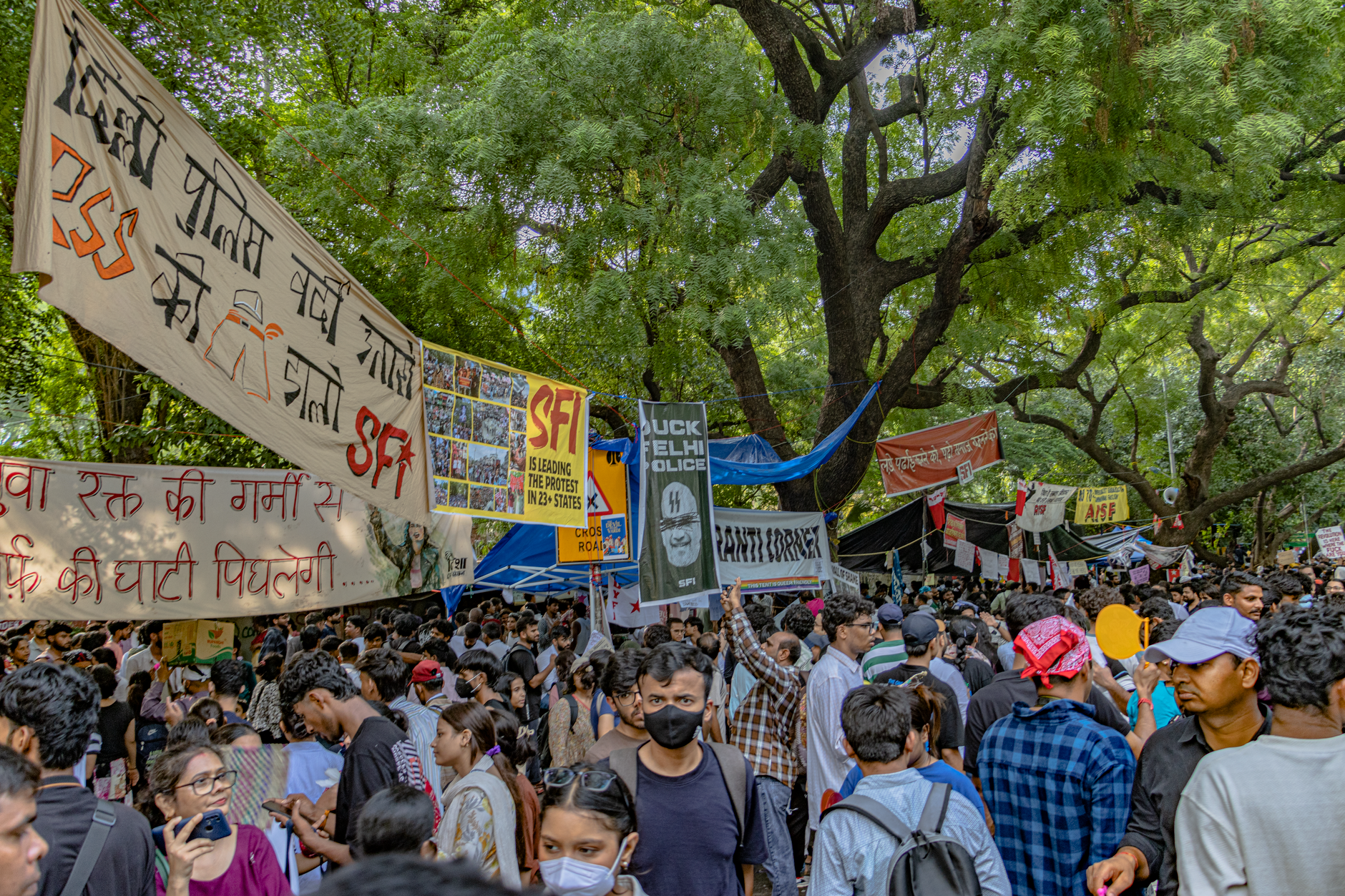
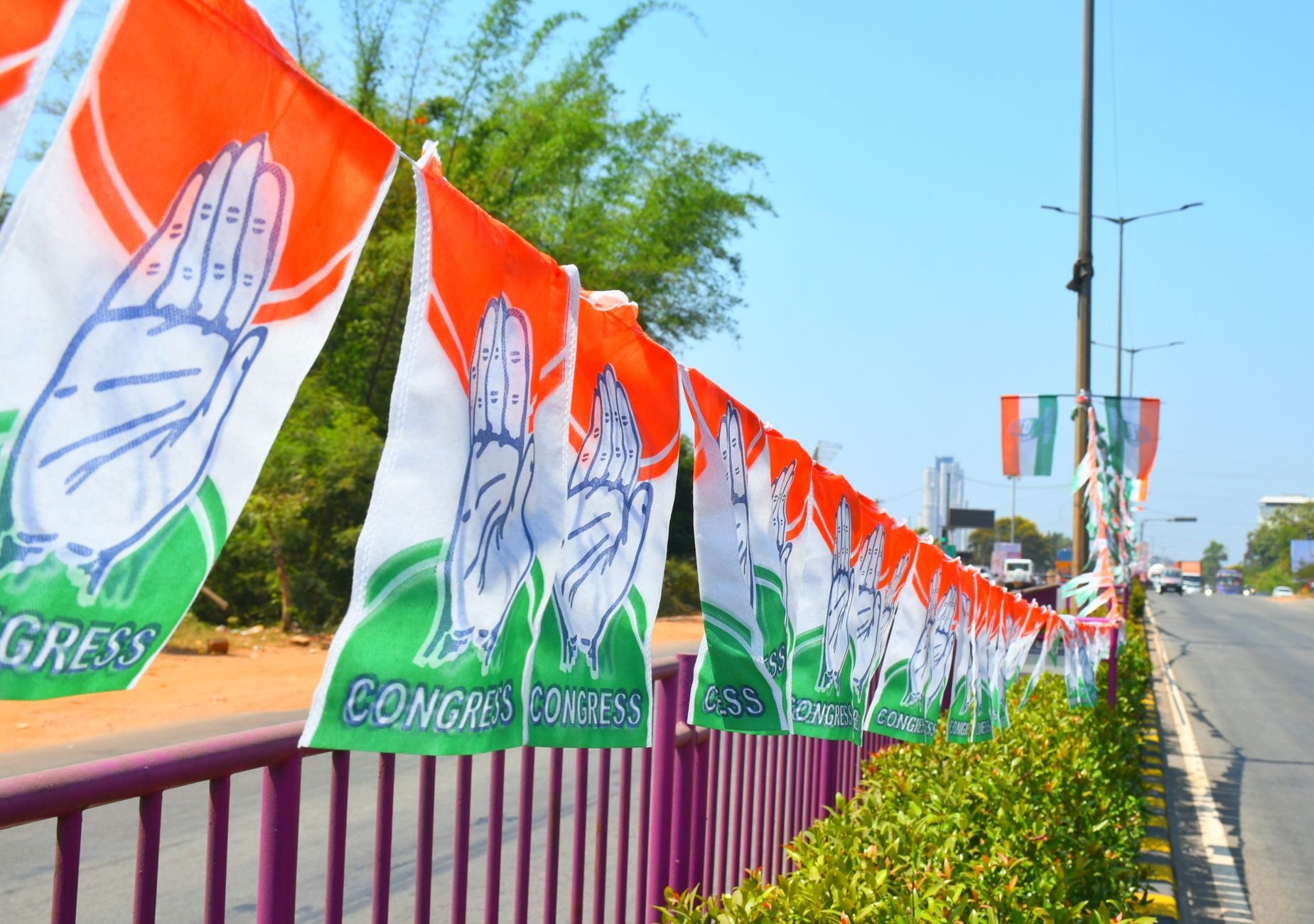
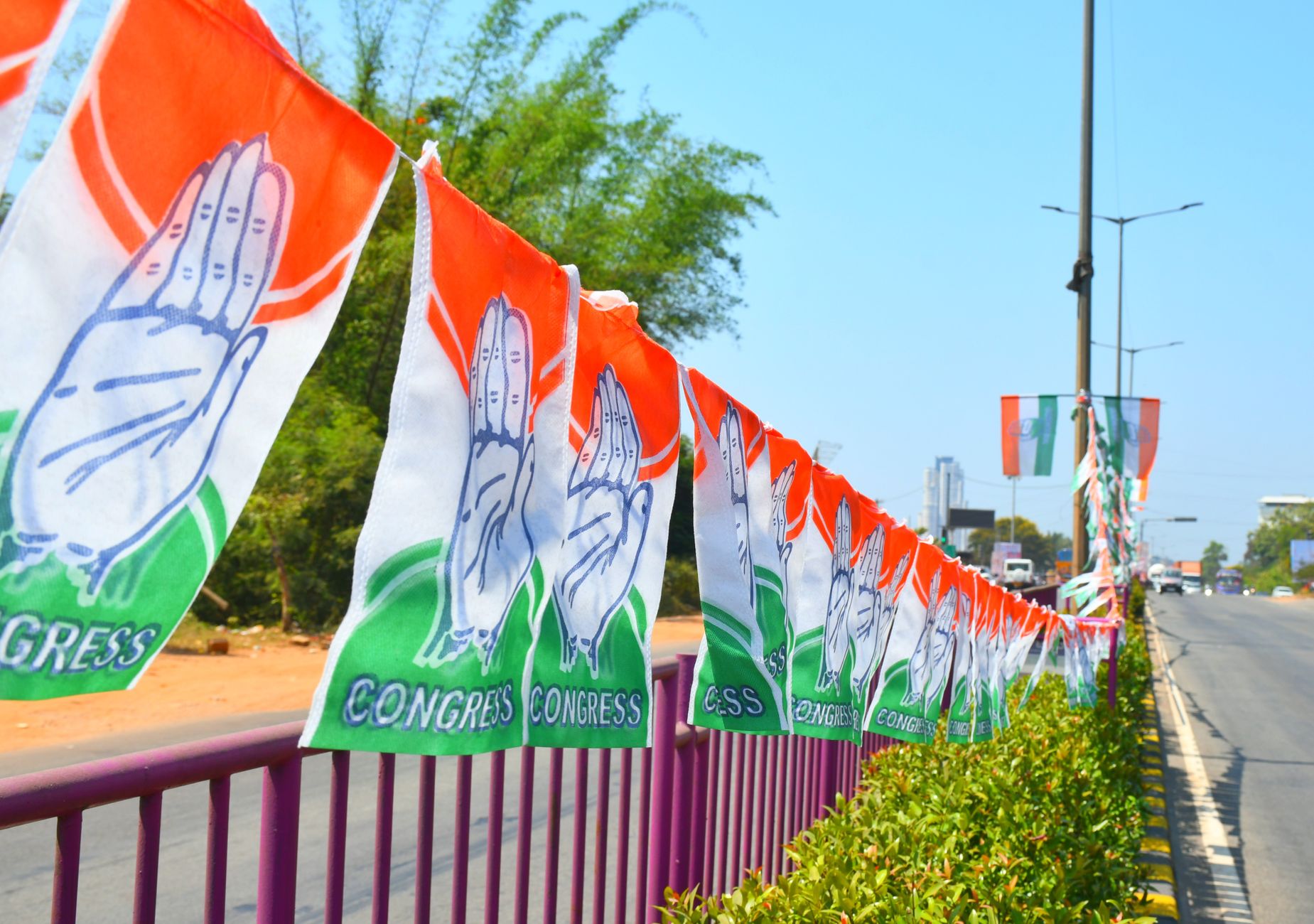
In the bustling corridors of Indian politics, a new drama unfolds. The Congress, a party with a storied past, and the Coalition for Justice and Peace (CJP), a relatively newer entrant, are striving to position themselves as the vanguard of anti-BJP protests. Yet, this collaboration is fraught with intricacies.
The Quest for Leadership
Leading an anti-establishment movement is no small feat. The Congress, with its deep-rooted history and extensive network, naturally assumes a position of influence. However, the CJP, with its grassroots appeal and dynamic leadership, brings a fresh perspective to the table. This duality of leadership offers both opportunities and challenges.
Historically, the Congress has been the fulcrum of opposition politics in India. Yet in recent years, its dominance has waned. This decline has created a vacuum that entities like the CJP are eager to fill. However, the question remains: can these two forces synchronise their efforts?
Challenges of Unity
The struggle to unify is emblematic of a larger issue within the Indian opposition—a lack of cohesive strategy. While both the Congress and the CJP share a common adversary in the BJP, their methods and ideologies often diverge. The Congress tends to favour a more traditional approach, leaning on its legacy and established practices. In contrast, the CJP is more inclined towards innovative, grassroots-driven strategies.
This divergence can lead to misalignment in messaging and strategy. For instance, while the Congress might focus on policy critiques, the CJP might emphasise social justice issues, creating a fragmented narrative.
What Lies Ahead
The road ahead for both the Congress and the CJP is a challenging one. To truly mount an effective opposition against the BJP, both must find a way to collaborate without overshadowing one another. This requires not just political acumen but also a degree of humility and openness to new ideas.
As the political climate intensifies, the ability of these two entities to forge a united front could very well determine the shape of future Indian politics. For now, the delicate dance continues, with each step scrutinised by both supporters and sceptics alike.