Conserving the Western Ghats: Science Meets Tradition
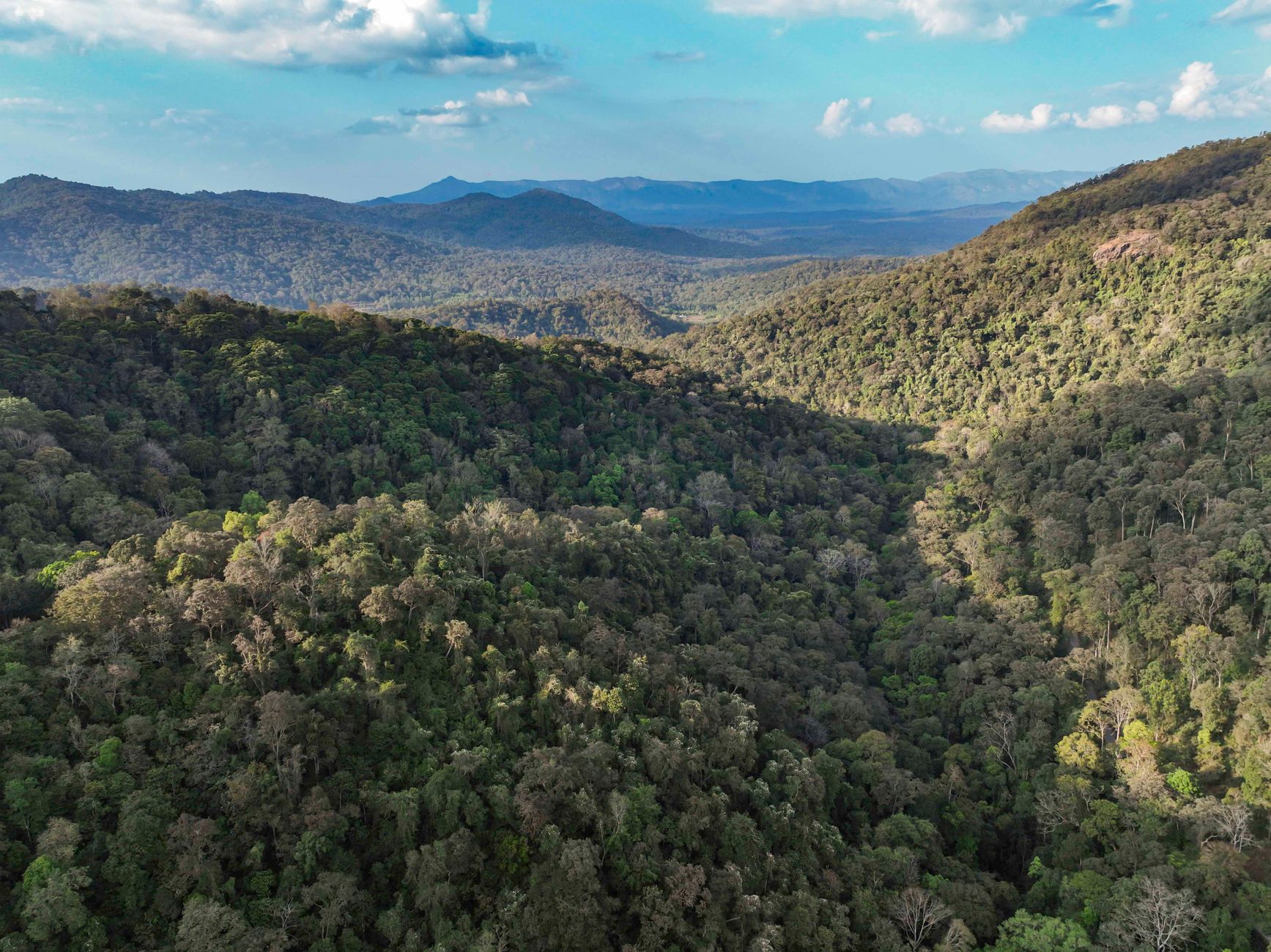
The verdant slopes of the Western Ghats, stretching majestically across India's western flank, are more than just a scenic marvel. Recognised by UNESCO as a World Heritage site, this mountain range harbours a staggering array of biodiversity. Yet, the very elements that make it unique also render it vulnerable to myriad threats, from deforestation to climate change.
In recent years, the conversation around conserving the Western Ghats has taken a notable turn. Scientists and local communities are increasingly working hand in hand to preserve this ecological treasure. The strategy is not merely to impose scientific solutions but to weave them with the rich tapestry of traditional knowledge that the indigenous communities possess.
Science and Tradition: A Symbiotic Relationship
Efforts are underway to use cutting-edge scientific research to map out the most sensitive areas of the Ghats. These studies, often employing satellite imagery and ground surveys, aim to identify critical habitats that require immediate attention. However, the success of these initiatives hinges on more than just data.
Local communities, who have lived alongside these ecosystems for generations, offer invaluable insight. Their traditional practices often align with sustainable methods of environmental stewardship. By engaging these communities in dialogue, conservationists hope to create a framework that accommodates both ecological and socio-economic needs.
Balancing Conservation and Livelihood
The challenge lies in balancing conservation efforts with the livelihood needs of the people residing in and around the Ghats. Agriculture, for instance, is a primary occupation here. To address this, there are initiatives aimed at promoting sustainable farming techniques that protect biodiversity while ensuring adequate crop yields.
Moreover, eco-tourism is being promoted as a viable economic alternative, providing locals with income while raising awareness about the importance of preserving the Ghats. This dual approach of conservation and community empowerment is gradually taking root, with promising outcomes.
In conclusion, the conservation of the Western Ghats is not merely an environmental imperative but a cultural one, demanding a symbiotic relationship between science and tradition. As these efforts continue to evolve, they hold the promise of not only safeguarding a vital hotspot of biodiversity but also enriching the lives of those who call it home.