Continuous Glucose Monitors Revolutionise Type 2 Diabetes Management
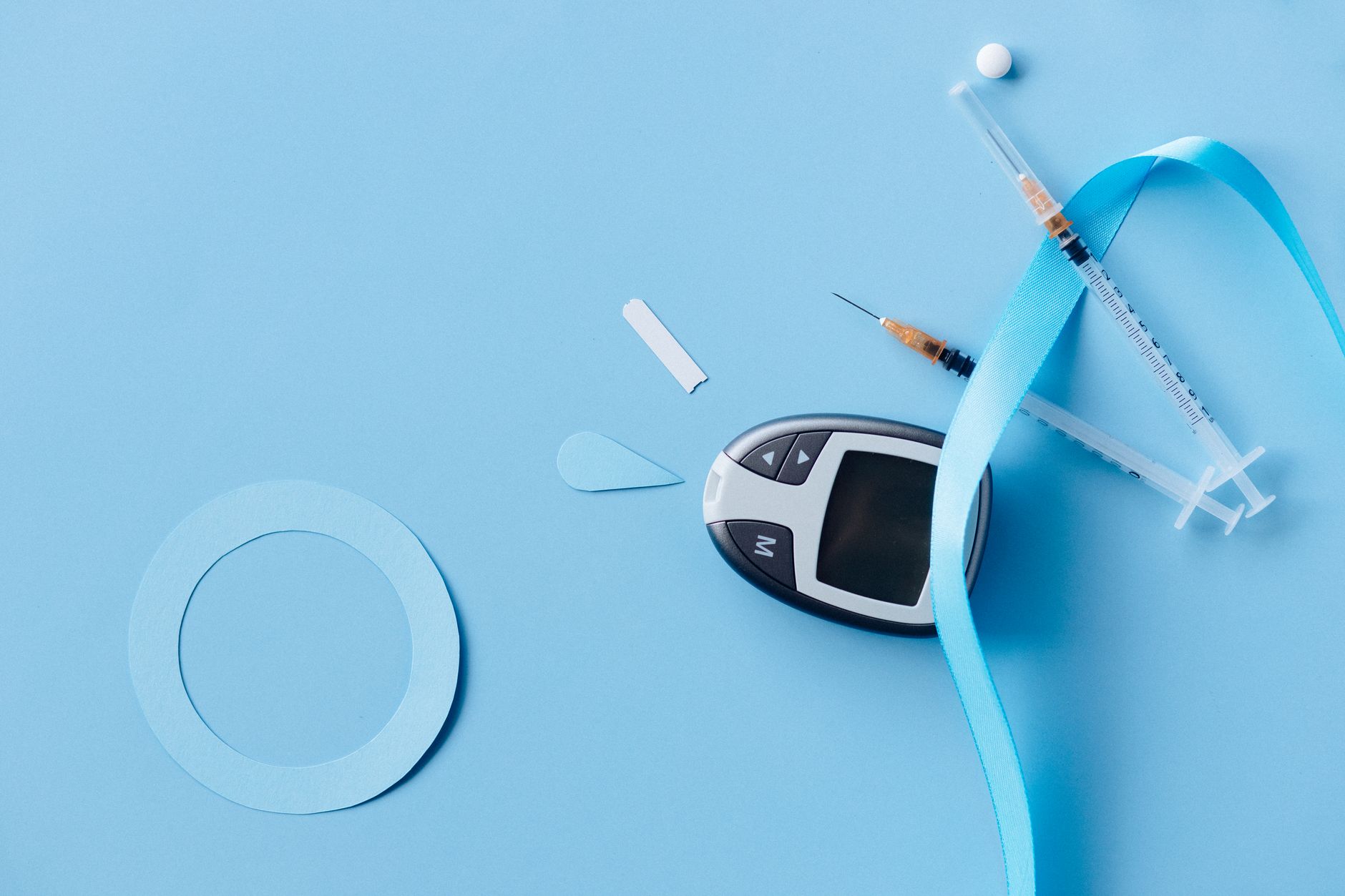
For those grappling with the relentless demands of type 2 diabetes, a small device has emerged as a beacon of hope. Continuous glucose monitors (CGMs) are doing more than just tracking numbers; they are reshaping daily life for millions by allowing patients to spend an additional five hours each day within a healthy blood sugar range.
Gone are the days when managing diabetes meant sporadic finger pricks and guesswork. These innovative devices continuously measure interstitial glucose levels, providing a stream of data that reflects the body's sugar trends. This real-time insight is proving transformative, not just for patients but for healthcare professionals who can now tailor treatments more precisely.
A Lifeline for Better Health
The impact of CGMs extends beyond mere convenience. Studies have shown that individuals using these monitors experience a 44% lower risk of mortality within the first year, a statistic that underscores the profound benefits of maintaining tighter glucose control. After two years, the risk reduction stands at 35%, reinforcing the devices' long-term value.
Dr Susan Fenichel, a leading endocrinologist, highlights the importance of CGMs in modern diabetes care. 'These monitors offer a level of monitoring previously unattainable outside of clinical settings, allowing for proactive rather than reactive management,' she explains.
Wider Implications for Healthcare
Type 2 diabetes, a condition that arises when the body becomes insulin resistant or fails to produce enough insulin, affects millions globally. Its management is not only a personal challenge but also a significant public health concern. By extending the time patients spend in a healthy glucose range, CGMs help mitigate the risk of complications like heart disease, stroke, and nerve damage.
Moreover, the data collected by these devices is invaluable in clinical research, potentially guiding future treatments and interventions. As healthcare systems worldwide grapple with the burden of chronic diseases, CGMs offer a glimpse into a future where patient-centred technologies could alleviate some of the strain.
While CGMs are not a panacea, their role in diabetes management is undeniably positive. As technology continues to advance, the promise of even more sophisticated tools looms large, but for now, these monitors remain a vital ally in the battle against diabetes.