Controversy Brews as NCERT Overhauls Political Science Textbook Panel
In an unexpected move, the National Council of Educational Research and Training (NCERT) has reconstituted its political science textbook development panel, triggering a wave of controversy. The newly formed team, comprising 20 members, includes at least four individuals with documented links to the Rashtriya Swayamsevak Sangh (RSS) and its affiliates. This decision, unveiled on the 20th of August, has ignited a fierce debate about the ideological direction of educational content in India.
The panel, led by Sandeep Shastri, has been tasked with updating the political science textbooks for Classes 11 and 12. The objective, as stated by NCERT, is to imbue the curriculum with themes such as cultural rootedness and Indian knowledge systems. However, the inclusion of members connected to the RSS — a Hindu nationalist organisation often associated with the ruling Bharatiya Janata Party (BJP) — has raised eyebrows.
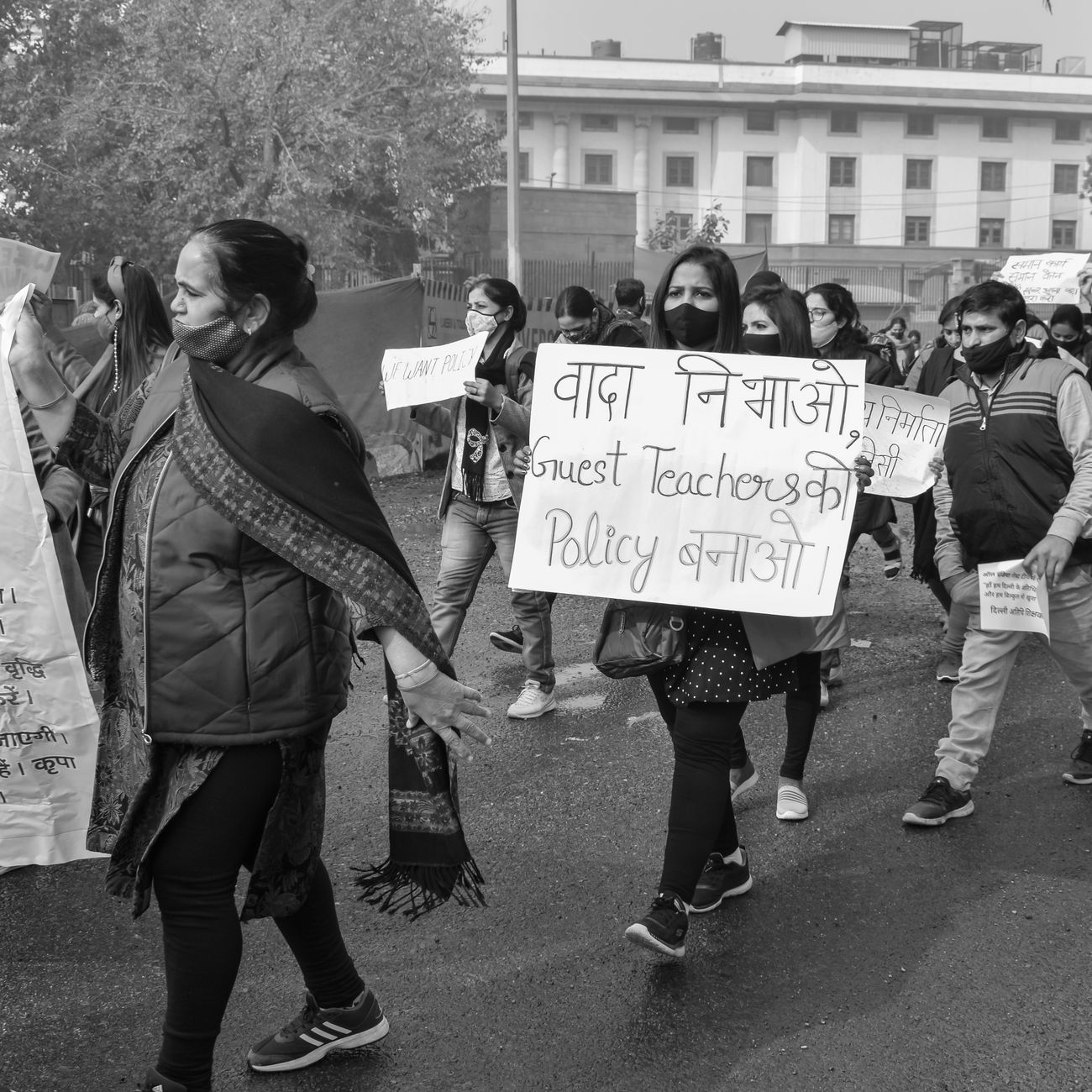
The National Students' Union of India (NSUI), the student wing of the opposition Congress party, has been vocal in its criticism. They argue that the presence of RSS-affiliated members may compromise academic neutrality and skew the ideological balance of the textbooks. The NSUI has demanded the dissolution of the current panel and the formation of a new team comprising independent educationists. They also call for transparency regarding the selection process and the backgrounds of the panel members.
Supporters of the reconstitution argue that the inclusion of diverse perspectives is essential for a comprehensive understanding of India's complex socio-political fabric. They contend that the focus on cultural and indigenous knowledge systems is a step towards decolonising the education system, making it more reflective of India's rich heritage.
This development comes amidst a broader national discourse on the role of education in shaping societal values and the political landscape. As the debate unfolds, it underscores the perennial tension between tradition and modernity in India's educational policies.