Controversy Brews Over Tree Felling for Arunachal's Hydroelectric Project
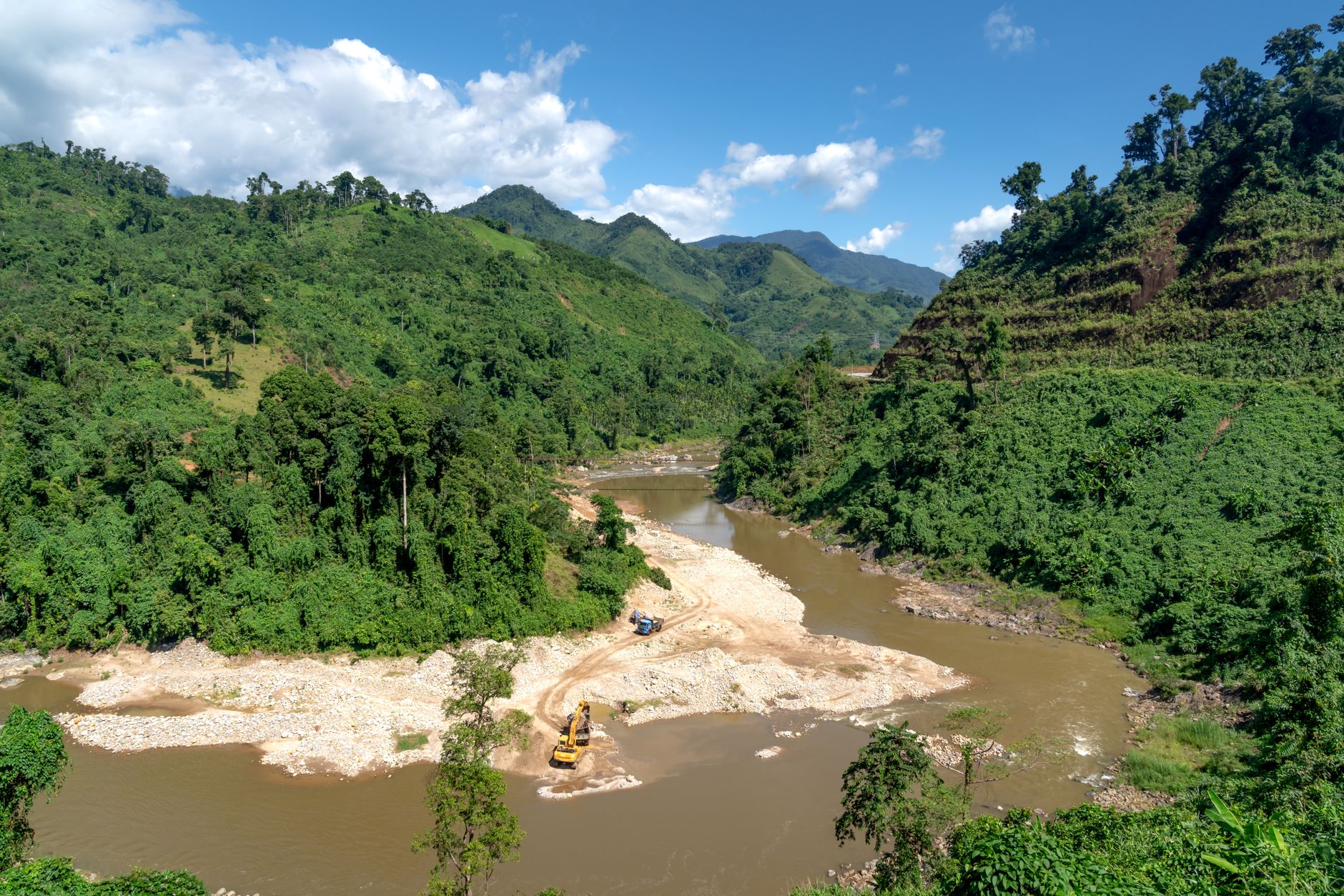
In the heart of Arunachal Pradesh, a decision looms that could reshape the region's landscape, both literally and metaphorically. The Environment Ministry's expert panel is set to deliberate today on the contentious Kamala Hydroelectric Project, a venture that promises to bolster India’s renewable energy capacity yet threatens to decimate local forests.
The project, with an estimated capacity of 1,720 MW and a budget of ₹26,000 crore, has been greenlit by the Public Investment Board. However, its execution requires the felling of an astonishing 23.4 lakh trees. This has sparked an outcry among environmentalists and local communities who fear irreversible damage to the region's biodiversity.
The Environmental Cost
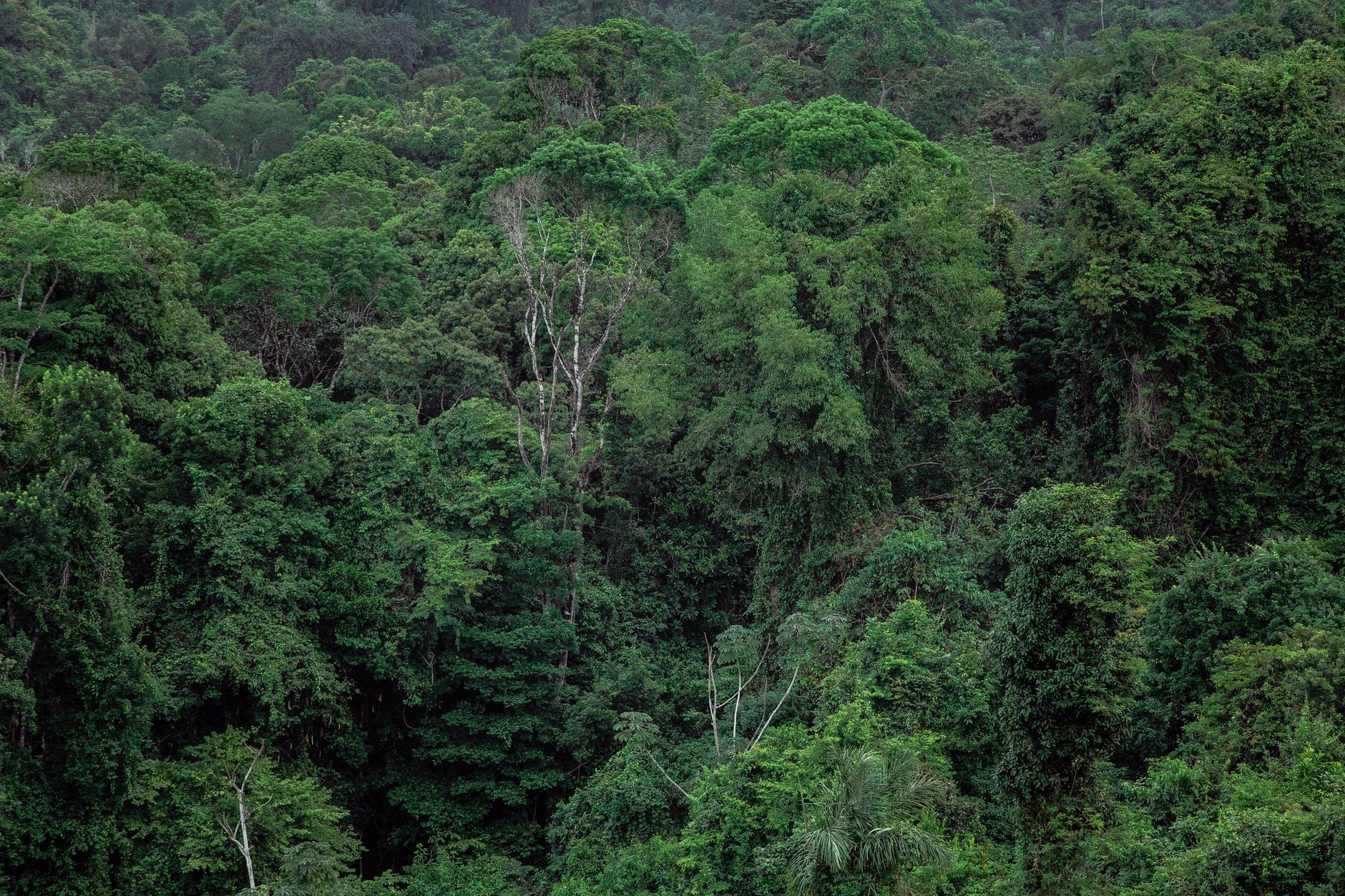
Arunachal Pradesh, often dubbed the 'Orchid State of India', is renowned for its rich biodiversity. The proposed deforestation has raised alarms about the potential loss of habitats for countless species. Conservationists argue that the ecological cost may far outweigh the benefits of additional power generation.
Moreover, local communities, who rely on the forests for their livelihoods, face an uncertain future. The felling of trees could disrupt the delicate balance of the ecosystem, leading to unforeseen consequences such as soil erosion and reduced water quality.
Balancing Progress and Preservation
Proponents of the hydel project argue that India needs to ramp up its renewable energy output to meet growing demands and reduce reliance on fossil fuels. They claim that such projects are crucial for the country’s energy security and economic development.
Yet, the question remains: can development be pursued at the expense of the environment? The answer is complex, requiring a nuanced approach that considers both the immediate benefits and long-term consequences of large-scale projects.
As the panel meets today, all eyes are on the decision-makers. Their verdict will not only affect the future of the Kamala project but could set a precedent for how India balances its energy ambitions with environmental stewardship.