Cosmic Collision: Chandra's Insight into the Treble Clef Galaxy
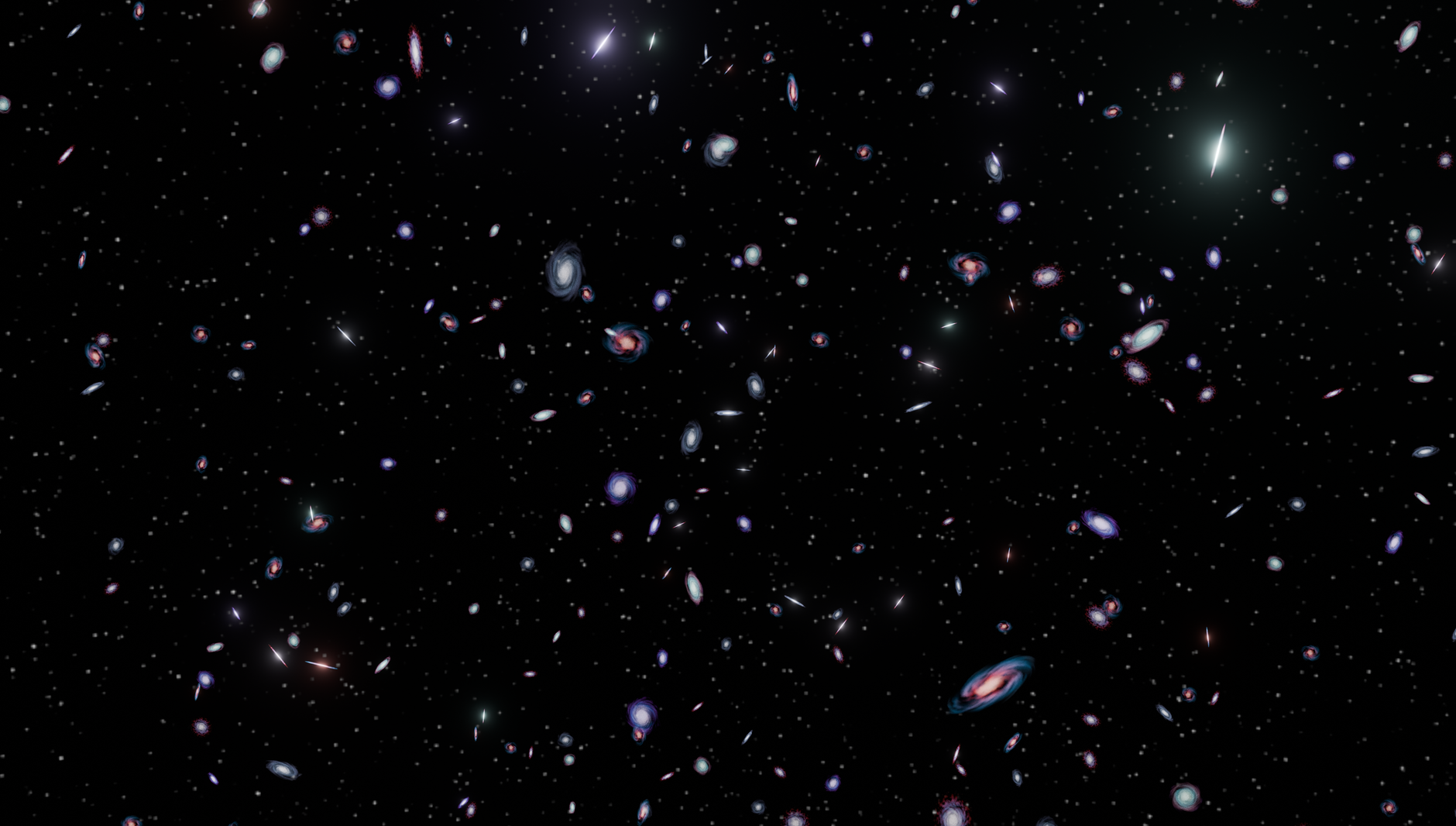
Out in the vastness of the cosmos, where galaxies dance in a delicate gravitational ballet, NASA's Chandra X-ray Observatory has tuned into a cosmic symphony. The 'Treble Clef', an intriguing formation identified within radio waves, is not merely a celestial quirk but a testament to the dramatic collisions that shape the universe.
Scientists using NASA's Chandra, alongside the German eROSITA X-ray telescope, have unveiled the stellar theatre where two galaxy clusters have collided. Located within the galaxy cluster Abell 2146, this tumultuous meeting has sparked what can only be described as a cosmic shockwave. Stretching over 1.6 million miles, this shockwave is a striking reminder of the universe's dynamic nature.
These clusters, among the largest gravitationally-bound structures, don't just float passively through space. When they collide, they create merger shocks on a cosmological scale. The energy from these collisions transforms kinetic energy into heat, revealing the fiery past of what we might mistakenly perceive as a serene universe.
Chandra's observations of Abell 2146 have revealed scars from a collision that occurred four billion years ago. A supermassive black hole erupted, contributing to the majestic yet violent formation we observe today. This discovery underscores the importance of such observations in understanding cosmic evolution, providing vital clues about the history of our universe.
Through the lens of Chandra, the Treble Clef formation is more than just a visual spectacle. It is a narrative of survival, change, and the constant ebb and flow of cosmic forces. As astronomers continue to explore these galactic phenomena, each discovery adds another note to the grand symphony of the cosmos.