Could a Mars Rock Hold Clues to Ancient Life?
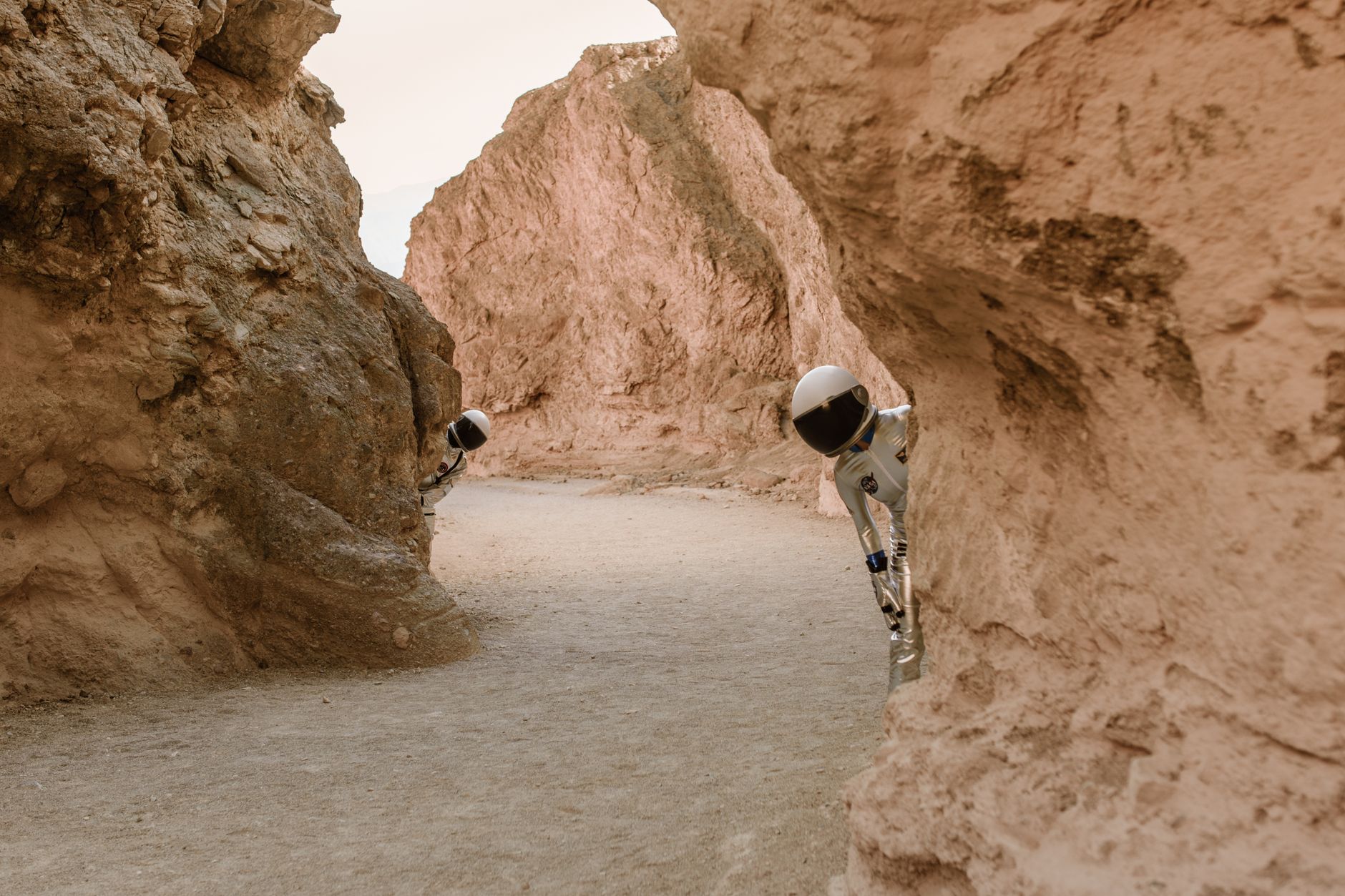
In the barren expanse of Mars' Jezero Crater, a rock sample has become the centre of a cosmic mystery. This seemingly insignificant piece of Martian geology, abandoned for now, could hold the key to understanding whether life once flourished on the Red Planet.
The rock in question contains organic carbon and peculiar mineral formations—specifically, a combination of vivianite and greigite, which on Earth might suggest microbial activity. Yet, the scientific community remains cautious. While these findings tantalise the imagination, they fall short of confirming life existed on Mars.
NASA's Perseverance rover has been diligently collecting such samples, adding to the growing evidence that Mars may once have been a crucible for microbial life. However, the practicalities of bringing these samples back to Earth present significant challenges.
The Enigma of Martian Samples
The Curiosity team plans to drill additional samples from the Vera Rubin ridge in a bid to solve the mystery of these solid rocks. Despite the advances in Martian exploration, only uncrewed spacecraft have so far ventured to the planet, leaving these samples trapped in a cosmic limbo.
Transporting Martian samples back to Earth is fraught with logistical hurdles. Current plans involve future missions to retrieve and return the samples, but these are years away from fruition. Until then, the Martian rocks remain distant, their secrets locked away.
Why It Matters
The question of life on Mars is not merely academic. Understanding whether life ever existed elsewhere in our solar system could reshape our understanding of biology and the potential for life across the universe. It challenges us to reconsider our place in the cosmos and the unique conditions that foster life.
As scientists await the opportunity to study these samples on Earth, they remain hopeful yet grounded. For now, the Martian rock, with its silent testimony of ancient waters and organic mysteries, continues to pique curiosity and inspire future exploration.