Could Cutting Protein Be the Key to a Longer, Healthier Life?
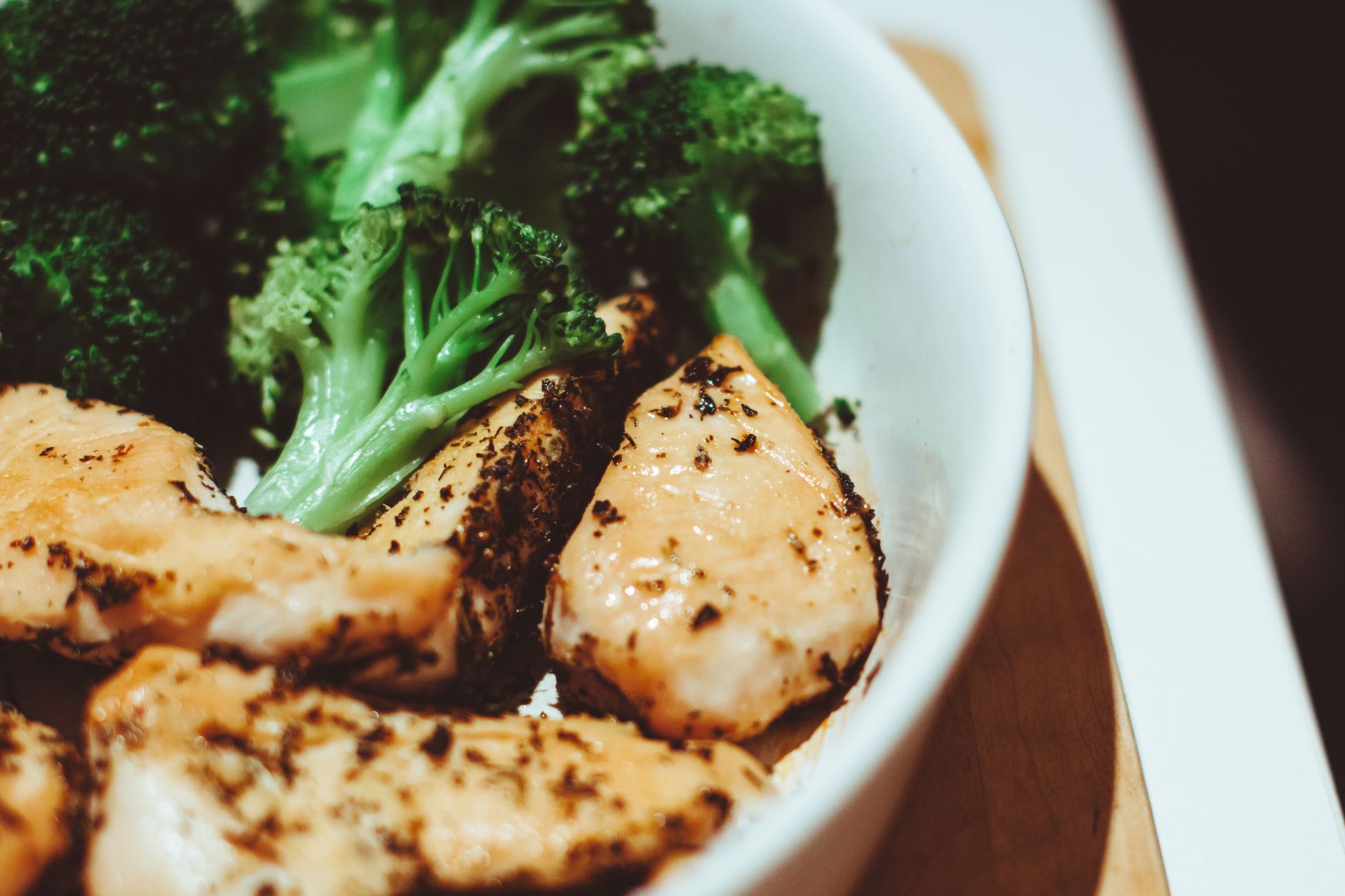
In a world where protein shakes and bars line the supermarket aisles, a new study offers a surprising twist: less might truly be more. Recent research suggests that cutting down on protein could not only bolster health but also extend one's lifespan. This revelation stands in stark contrast to the current high-protein craze, championed by fitness enthusiasts and dietary trends alike.
Protein, long hailed as the building block of muscle and repair, is often consumed in excess by those seeking to maximise their health and longevity. However, scientists now argue that this approach could be misguided. According to the study, the benefits athletes reap from high-protein diets may be due to their rigorous exercise regimes rather than the protein itself. Regular physical activity appears to mitigate the potential negative effects of protein overconsumption, which is not the case for those leading more sedentary lifestyles.
The implications of this research are significant. For the general populace, particularly those not engaging in regular, strenuous exercise, reducing protein intake could lower the risk of metabolic diseases and support a longer life. This aligns with findings from animal studies, where restricted protein intake has been shown to slow ageing and improve health outcomes.
Rethinking Dietary Norms
The obsession with 'protein maxxing'—the belief that more protein equates to better health—could be a double-edged sword. While protein is essential, the study suggests that moderation is key. Overconsumption may lead to unnecessary metabolic stress and financial strain, as protein-rich products often come at a premium.
As dietary guidelines evolve, this study could prompt a shift in how we perceive protein's role in our diets. It raises questions about the balance required to meet nutritional needs without tipping the scales towards potential harm.
In conclusion, while the allure of protein-packed diets is unlikely to fade overnight, this research invites a reconsideration of what constitutes a healthy diet. For many, the message is clear: less protein might indeed pave the way for a longer, healthier life.