Could Cutting Protein Intake Be the Secret to a Longer Life?
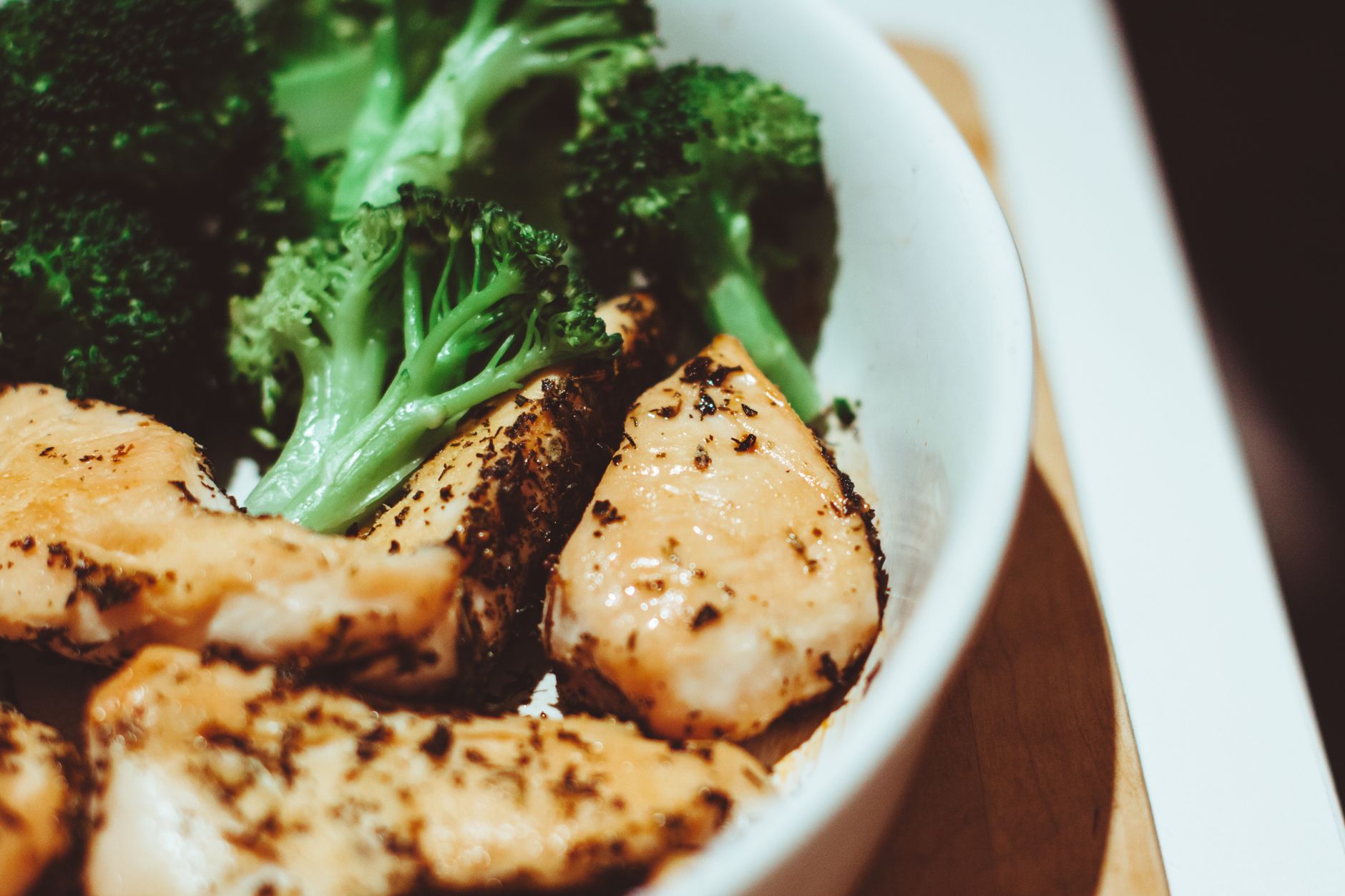
In an era where protein bars and shakes have become as ubiquitous as the morning coffee, a new study is turning conventional wisdom on its head. While many have embraced high-protein diets in pursuit of health and longevity, scientists are now suggesting that less might indeed be more.
The research, which examined dietary patterns and longevity, indicates that reducing protein intake could add years to one's life. This stands in stark contrast to the 'protein maxxing' trend, where individuals consume large amounts of protein in the belief that it fosters longer, healthier lives.
The Athlete Paradox
Interestingly, athletes, who often consume considerable amounts of protein, appear exempt from the negative effects seen in others. Researchers like Lamming hypothesise that the combination of high protein intake and regular exercise allows athletes to build muscle effectively, thus protecting them from the metabolic diseases often associated with protein-rich diets.
Yet, for the average person, the surplus protein might not be as beneficial. Instead, it could potentially accelerate ageing and the onset of age-associated diseases.
Beyond Calories: A New Dietary Focus
Traditionally, discussions about diet and lifespan have centred on calorie restriction. Evidence from various organisms, ranging from yeast to mammals, demonstrates that fewer calories can lead to a longer life. Now, the spotlight is shifting to protein.
Non-human animal studies have shown that limiting protein intake can extend lifespan and reduce the incidence of cancers and other age-related ailments. This suggests a potential shift in how we view dietary balance and health.
While the allure of protein remains strong, the findings invite a reevaluation of how much protein is truly necessary for optimal health. As supermarkets continue to stock protein-infused products, consumers might consider moderation as the key to not just longevity but also a healthier life.
The research offers a fresh perspective, challenging the status quo and encouraging a broader conversation about what constitutes a balanced diet. Whether this will translate into a widespread dietary shift remains to be seen, but the dialogue has certainly begun.