Could Eating Less Protein Be the Secret to a Longer Life?
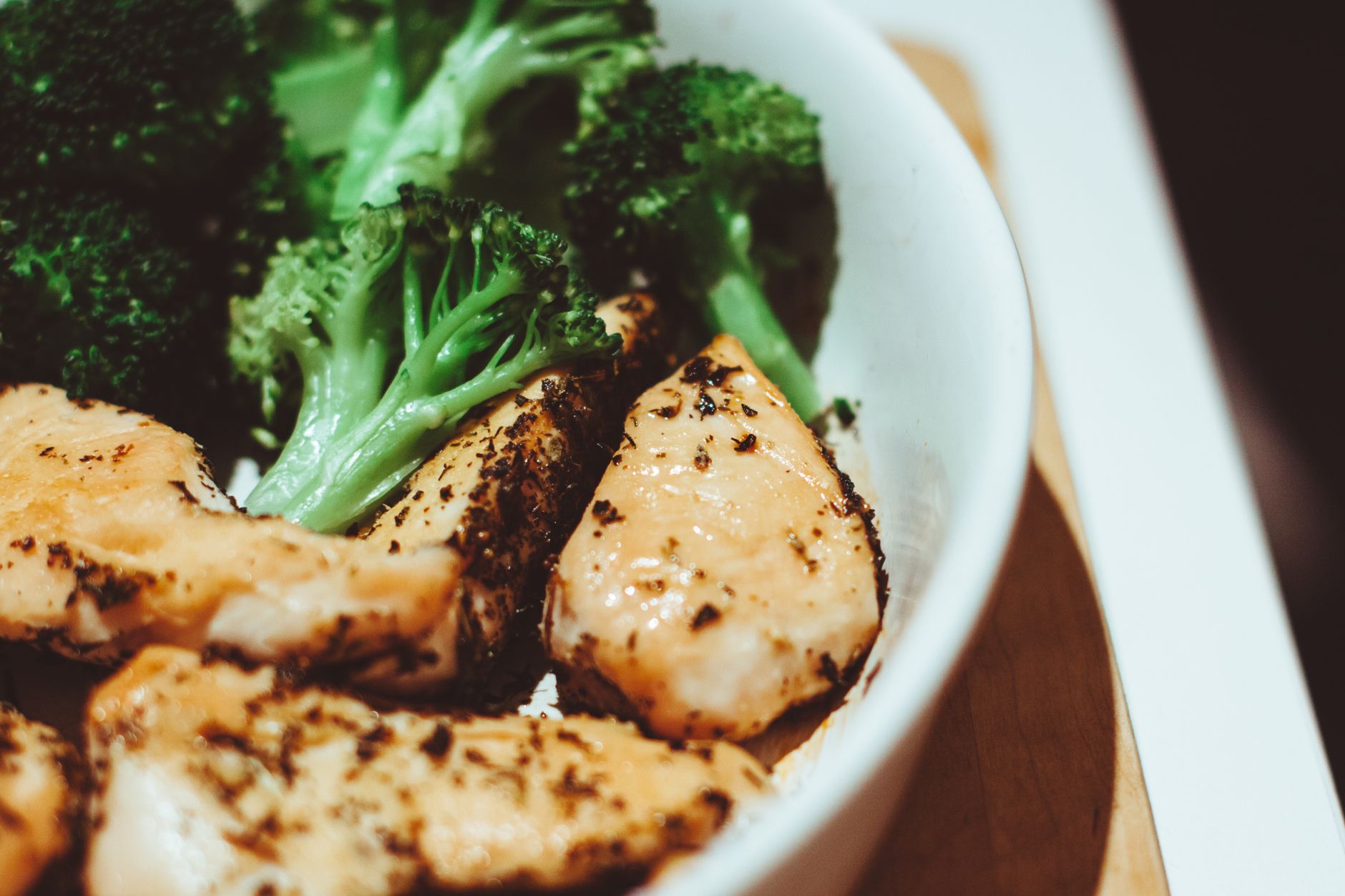
In a world obsessed with protein, the latest scientific findings might make some rethink their dietary choices. Recent research has revealed that consuming less protein could potentially extend one's lifespan. This revelation is particularly intriguing in a time when protein-enriched products are crowding supermarket shelves, promising strength and vitality.
While athletes often consume high amounts of protein without apparent harm, largely due to their rigorous exercise regimes, ordinary individuals might not be as fortunate. The protective effects of physical activity, which utilises protein to build muscle, may not extend to those who lead more sedentary lives. Thus, the idea that reducing protein intake could be beneficial is gaining traction.
Traditionally, the focus has been on calorie restriction as a means to extend life, supported by evidence from diverse organisms ranging from yeast to mammals. However, the new emphasis on protein reduction could shift dietary guidelines. Those advocating for 'protein maxxing' may need to reconsider, as studies indicate that less protein might not only enhance longevity but also reduce the risk of age-related diseases.
Beyond health, there's a financial incentive to consume less protein. High-protein diets can be costly, and reducing protein intake could indeed add years to one's life and pounds to one's pocket. As research continues, the dietary landscape may see significant shifts, challenging long-held beliefs about protein's role in health.