Could Hibernation Be Humanity's Ticket to Mars?
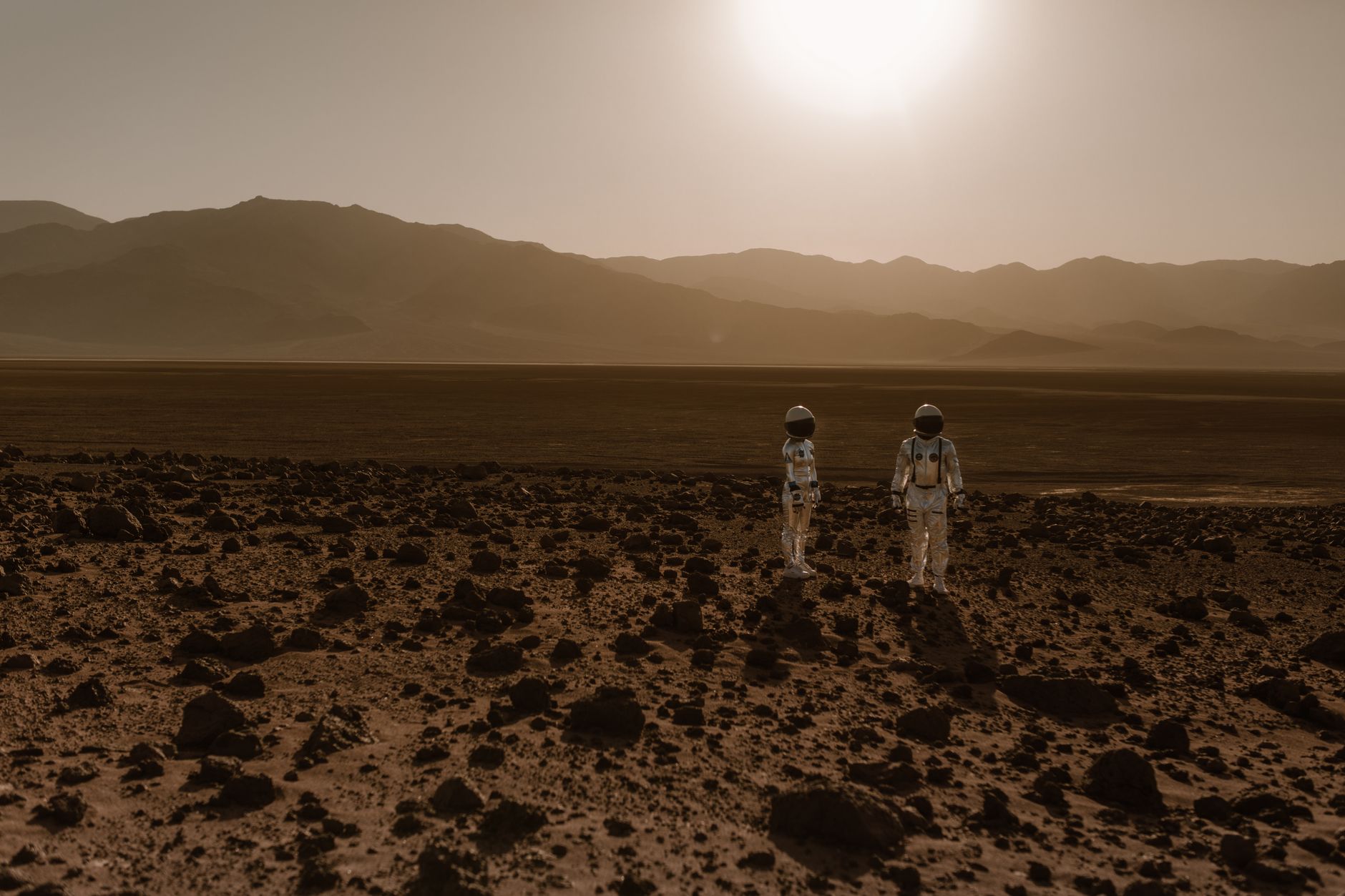
In the quest to reach Mars, the idea of putting astronauts into a state of hibernation has moved from the realm of science fiction to serious scientific inquiry. The allure of this approach lies in its potential to mitigate several challenges associated with long-duration space travel, notably the substantial resources required to sustain human life and the ever-present threat of cosmic radiation.
Hibernation, a natural phenomenon observed in animals like lemurs and bears, enables these creatures to survive harsh conditions by entering a state of reduced metabolic activity. This biological marvel has inspired researchers to consider whether humans might similarly be induced into a deep slumber, conserving energy and reducing the need for food and water on the lengthy voyage to Mars.
Dr Matthew Kumar from the Mayo Clinic, working in collaboration with NASA, is at the forefront of this research. His team is investigating medically induced hypothermia—a technique already used in certain medical procedures—to slow down bodily functions. This could, theoretically, allow astronauts to remain in a hibernation-like state for extended periods, shielding them from the harmful effects of radiation and microgravity.
Such a state could also address the psychological challenges of space travel. The isolation and confinement experienced during long missions can be mentally taxing, and hibernation could offer a reprieve from these stressors. By limiting the time astronauts spend awake and aware, the journey could become more manageable.
However, the prospect of human hibernation is not without its challenges. The human body's response to prolonged periods of induced low metabolic activity remains largely unknown. Moreover, ethical considerations abound, particularly concerning the potential risks involved.
The potential benefits of hibernation for space travel are tantalising, yet much research remains to be done. As scientists continue to explore this frontier, the dream of a hibernation-assisted voyage to Mars edges closer to reality, promising a new era in interplanetary exploration.