Could Our Brain Be Two Systems in Disguise?
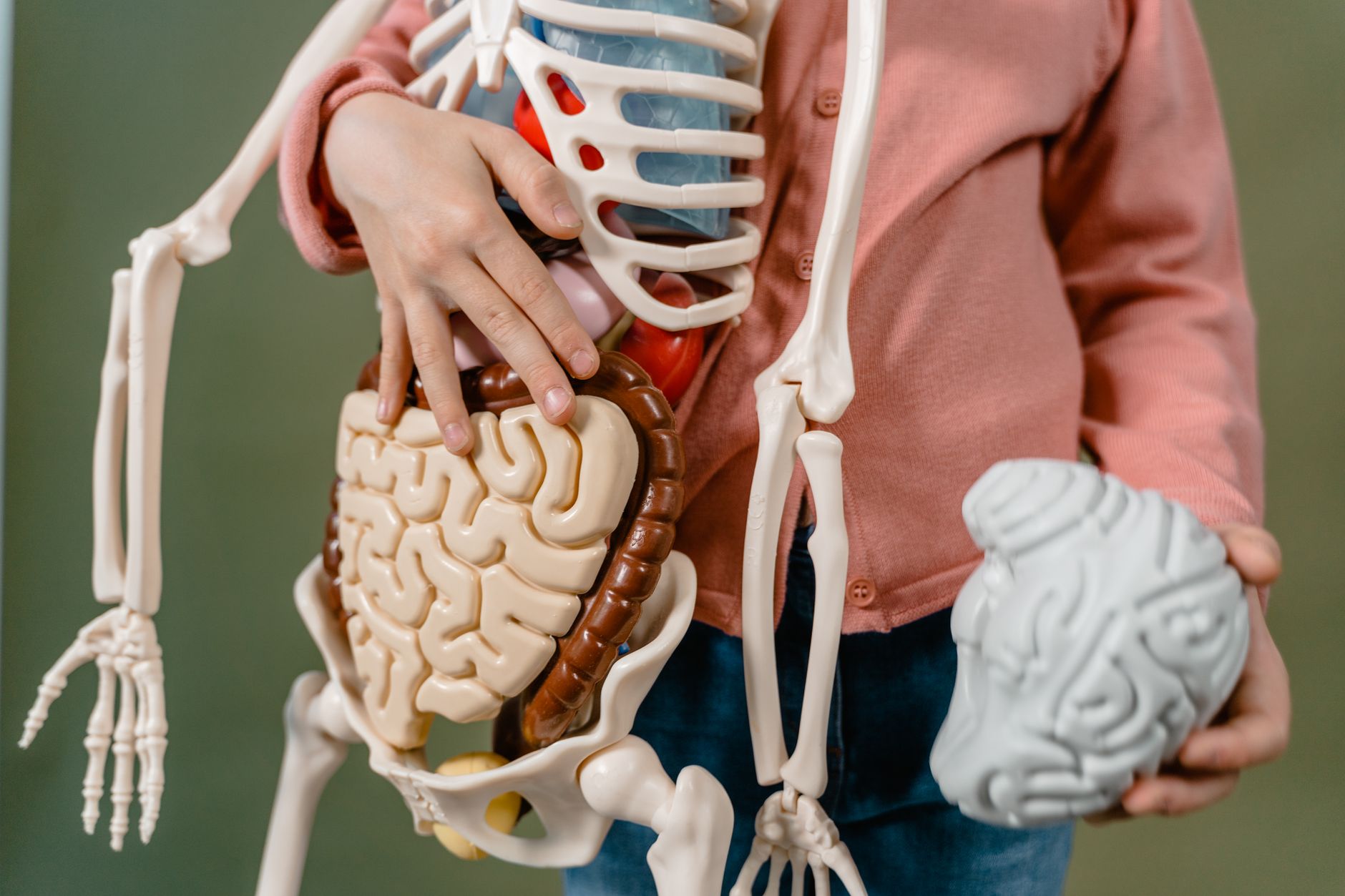
The human brain, often hailed as the pinnacle of biological evolution, might harbour a secret that challenges long-held assumptions. A recent study posits that our brain could essentially be two nervous systems, smooshed together over the millennia.
At the heart of this theory lies the idea that the brain's complexity is not solely due to its intricate neural networks, but rather the result of two distinct systems working in tandem. The central nervous system (CNS), encompassing the brain and spinal cord, is traditionally seen as the command centre. However, researchers are now turning their gaze towards the enteric nervous system – a network of nerve cells lining the gut, often referred to as the 'second brain'.
The Intriguing Duality
Historically, the enteric nervous system has been acknowledged for its role in managing digestive processes, but its influence might stretch far beyond the gut. Scientists suggest that this 'second brain' communicates with the CNS more intricately than previously thought, potentially impacting mood, decision-making, and even memory.
This revelation invites a re-examination of how we view neurological and psychological disorders. Conditions like anxiety or depression, typically attributed to chemical imbalances in the brain, might also involve an overlooked interplay between these two systems. Understanding this connection could lead to novel treatments that consider both mental and gastrointestinal health.
Evolutionary Implications
From an evolutionary standpoint, the idea that two nervous systems have fused offers a fascinating glimpse into how complex organisms like humans have adapted. This perspective could explain why the gut is sometimes referred to as the 'second brain', with its own neuronal circuits and neurotransmitters.
As researchers delve deeper, the potential for new discoveries in neurology and gastroenterology grows. This study not only challenges the conventional view of the brain but also opens up avenues for interdisciplinary collaboration, potentially revolutionising how we approach brain health.
While the notion of a dual-system brain may seem like science fiction, it underscores the dynamic and multifaceted nature of human biology. As science continues to explore these complex interconnections, one thing is certain: the more we learn, the more intricate and marvellous the brain appears to be.