Could There Be Better Planets for Life Than Earth?
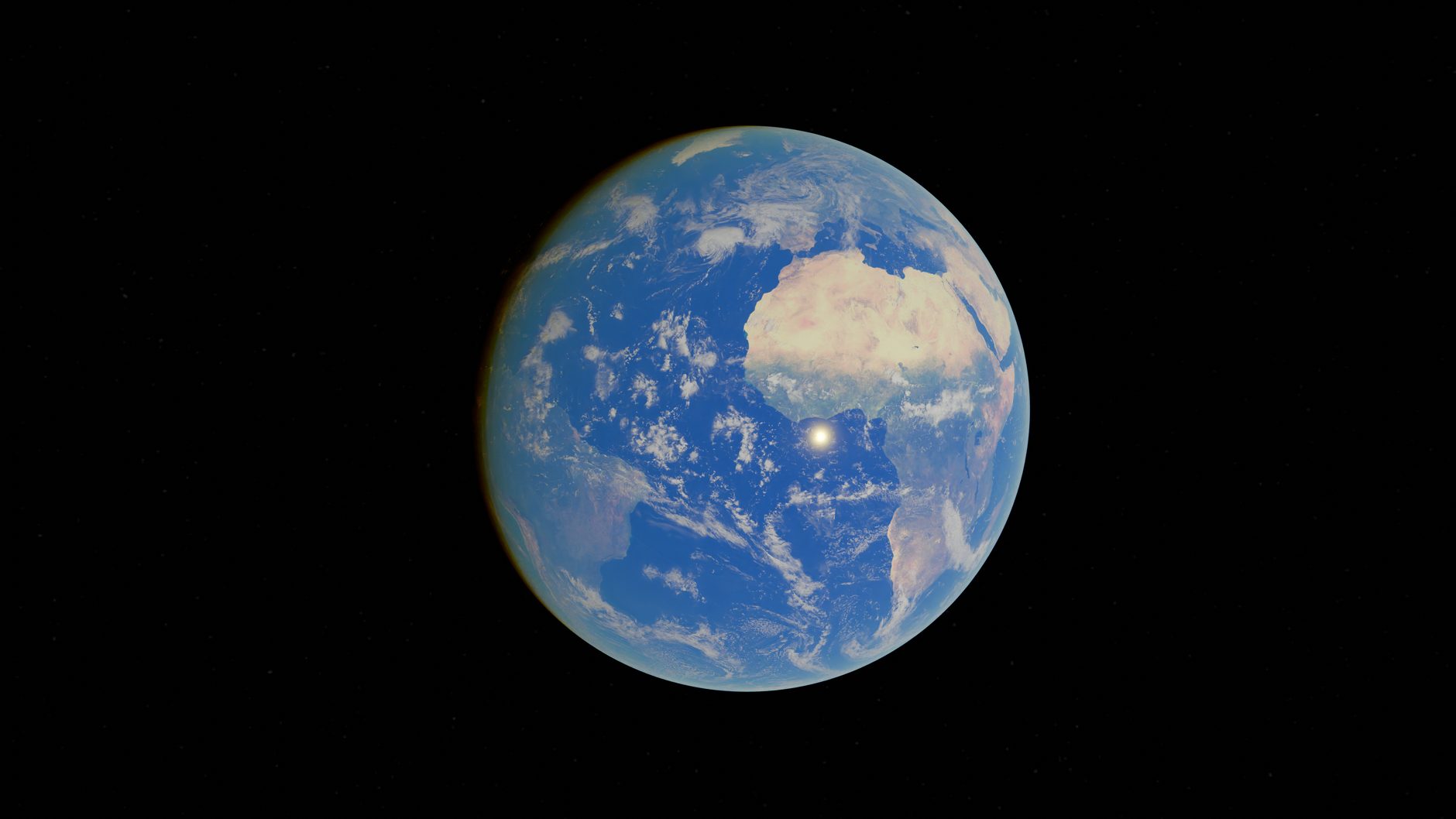
For centuries, Earth has been considered the quintessential cradle of life. However, recent research suggests that our blue planet may not be the universe's most idyllic home for living organisms after all. Scientists have identified 24 'superhabitable' planets which could offer conditions even more conducive to life than our own.
These potential paradises, scattered across the cosmos, boast qualities such as older, more stable stars, and possibly richer biological diversity. The term 'superhabitability' itself is a nod to environments that might support a greater abundance and diversity of life than Earth.
Earth, while undoubtedly teeming with life, is not the oldest or most stable of planetary bodies. Our sun, a relatively young star, will eventually exhaust its hydrogen fuel, leading to scenarios that could make Earth less hospitable. In contrast, the stars of these superhabitable planets are older, more stable, and likely to provide a longer window for life to flourish.
What Makes a World Superhabitable?
The researchers looked at factors such as the planet's age, size, and distance from its star, alongside other variables like atmospheric and geological characteristics. It's not just about being in the so-called 'Goldilocks zone' where liquid water can exist, but also about the longevity and stability of these conditions.
The idea that Earth might not be the apex of habitable worlds is both thrilling and unsettling. It challenges the anthropocentric view that places humanity and our planet at the centre of the universe. While these discoveries are based on theoretical models and indirect evidence, they open up tantalising possibilities for future exploration.
The Quest for Life Beyond Earth
Researchers are eager to investigate these superhabitable planets further. However, the vast distances involved mean that direct exploration remains a distant dream. For now, astronomers will continue to peer through their telescopes, hoping for more clues from the light years away worlds.
As we stand on the brink of what could be a new era in astrobiology, the notion that Earth is not the ultimate haven for life only adds to the mystery and wonder of the cosmos. It invites us to ponder the vast array of possibilities that lie beyond our own sky.