Court Orders Prompt Urgent Action on Environmental Issues
In a country frequently grappling with environmental challenges, the courts have once again stepped in to steer the course towards sustainability. On 16 September 2026, a series of rulings were handed down, addressing crucial environmental issues that have long been a subject of public concern.
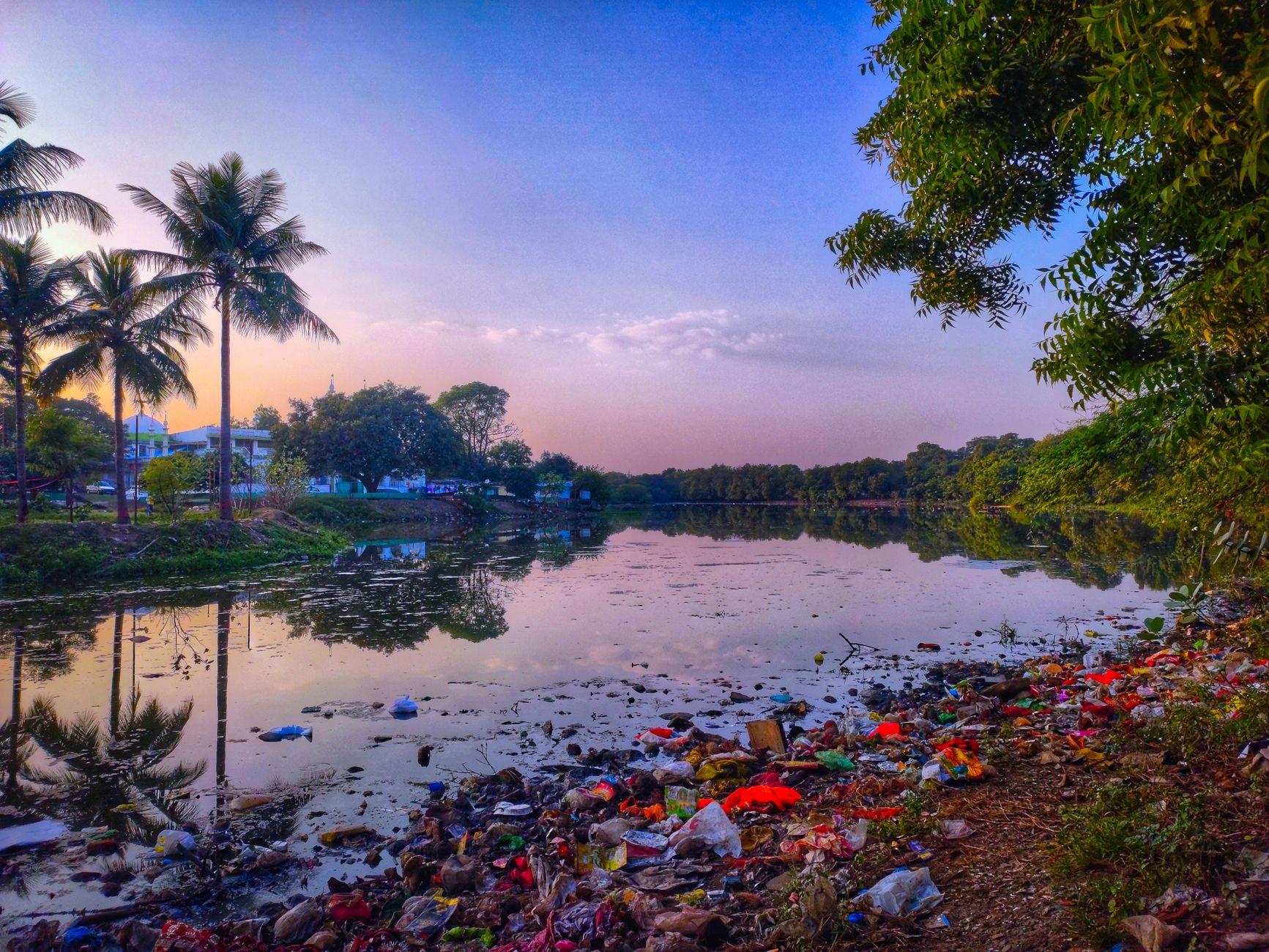
One of the most significant orders pertained to the notorious pollution of Chembarambakkam Lake. This body of water, a vital source of drinking supply for Chennai, has suffered from neglect and contamination. The court has directed local authorities to take immediate corrective measures, following a detailed report by a joint committee. This committee, formed under the directive of the National Green Tribunal (NGT) on 12 May 2026, was tasked with evaluating the lake's condition and suggesting actionable remedies.
The implications of this order are far-reaching. The health of local communities, reliant on the lake's water, hangs in the balance. Moreover, it serves as a stark reminder of the environmental degradation that accompanies unchecked urbanisation and industrial activity.
In a related move, the court also demanded updates on nutritional literacy initiatives within schools. This stems from a recognition that environmental education must encompass not only ecosystem conservation but also human health. The court has set a follow-up hearing for 28 September 2026, signalling its intent to ensure compliance.
Broader Environmental Implications
These court orders come at a time when environmental governance is under intense scrutiny. Recently, scientists have urged the government to halt five legislative bills due to potential environmental and health risks. The judiciary's intervention complements these concerns, emphasising the need for a balanced approach that considers both economic development and environmental sustainability.
Such judicial activism is not without precedent. India's courts have historically assumed an active role in shaping the nation's environmental policies, often filling gaps left by legislative and executive branches. Yet, the effectiveness of these orders hinges on timely and faithful implementation by the concerned authorities.
As the nation awaits the outcomes of these directives, one thing is clear: environmental issues have firmly taken root in the judicial agenda. Whether this translates into lasting change, however, remains contingent on the actions taken in the coming days.