Court Rebukes Cops for Running Businesses Instead of Enforcing Law
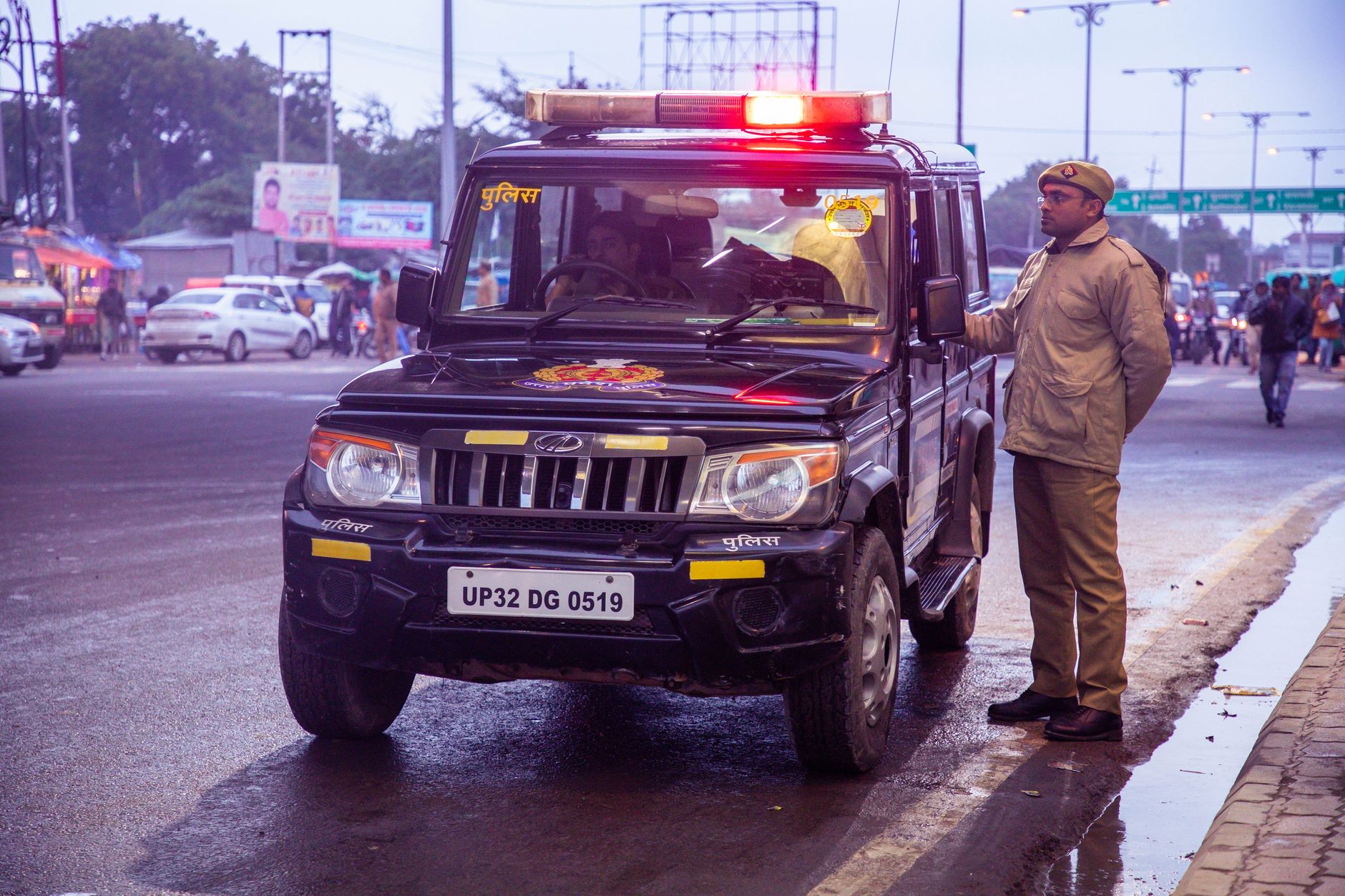
The Allahabad High Court has delivered a blistering critique of police conduct in Uttar Pradesh, where officers are allegedly prioritising business ventures over their sworn duties to maintain law and order. The court's observation came during a hearing involving a constable accused of entangling himself in a transport business dispute, thereby neglecting his official responsibilities.
Justice's pointed remarks reflected a broader concern with how police resources are being allocated, with implications that go beyond this single case. "This court is shocked that police stations have become a place of commercial activities," the judges commented, underscoring the gravity of the situation.
At the heart of the issue is Constable Santosh Kumar, posted at Rasra police station, whose involvement in a business conflict has brought these matters into the public eye. The High Court has ordered a comprehensive inquiry to ascertain the extent of such practices within the force.
Implications for Law Enforcement
The implications of this revelation are manifold. Not only does it question the integrity of those charged with upholding the law, but it also highlights a potential systemic issue where police officers may be engaging in activities that could conflict with their official duties.
Such concerns are not new. In various parts of India, police have been reported as engaging in activities beyond their official remit, often citing understaffing or inadequate resources as reasons for their diverted focus. However, the notion that officers might be involved in business activities is particularly alarming, as it suggests a prioritisation of personal gain over public service.
Call for Reform
The court's decision to order an inquiry into these activities signals a potential push for reform within the police force. It prompts questions about oversight and accountability mechanisms and whether they are sufficient to prevent such conflicts of interest.
As this inquiry unfolds, it will undoubtedly serve as a litmus test for the broader integrity of law enforcement in the region. The outcome could lead to significant changes in how police officers are monitored and held accountable, perhaps setting a precedent for other states to follow.