Courts Tackle Environment Challenges: Key Orders of August 24, 2026
The Indian judiciary, often seen as the last bastion in the battle for environmental protection, has once again stepped up to the plate, delivering a series of consequential orders on August 24, 2026. From the labyrinthine lanes of Delhi's jhuggi-jhopri clusters to the verdant yet perilous paths near India's wildlife sanctuaries, courts have sought to address a spectrum of ecological and human safety concerns.
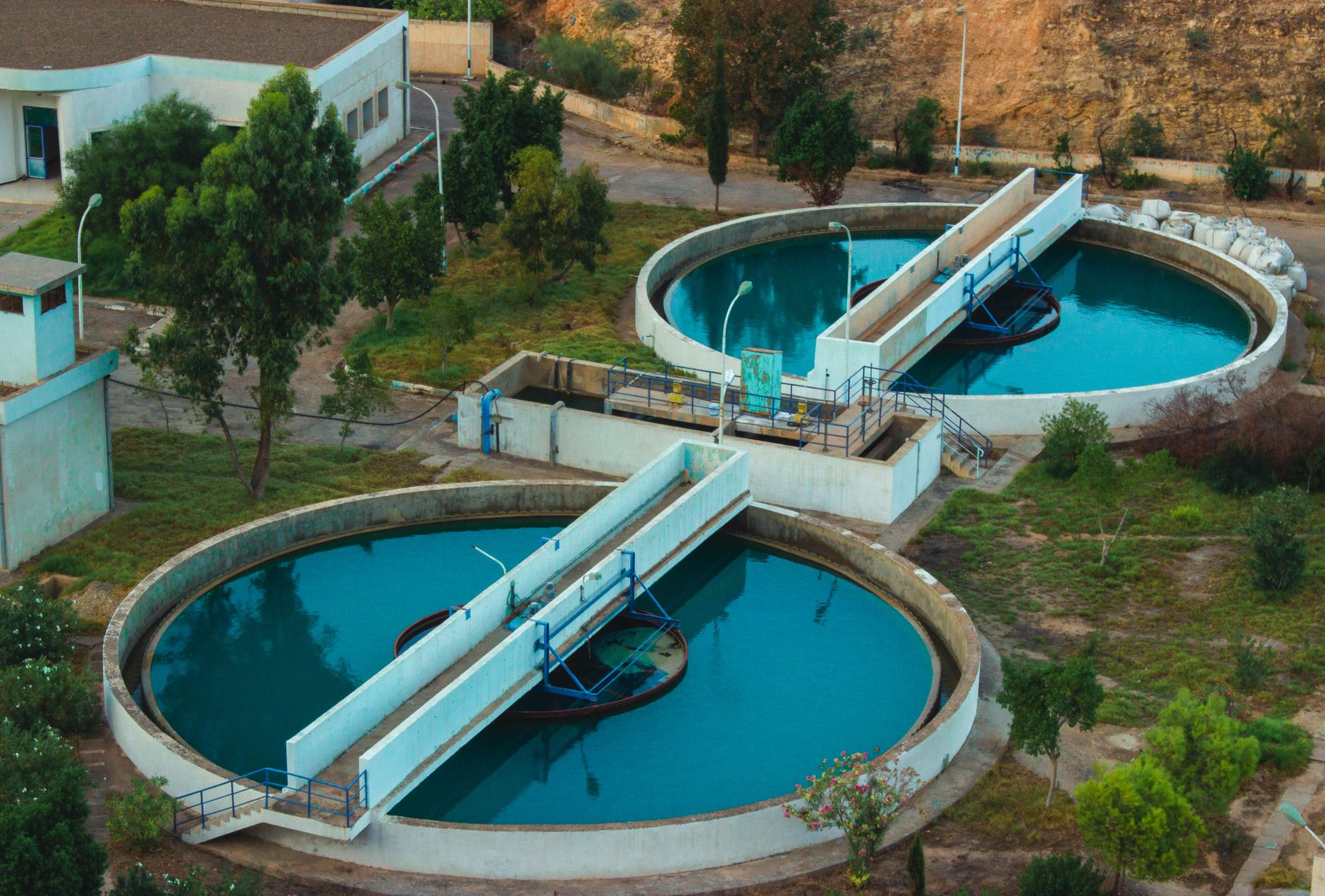
In Delhi, the National Green Tribunal (NGT) has reiterated its stance on the Delhi Jal Board’s (DJB) responsibility to lay sewer lines in informal settlements. This comes after an earlier directive for the Delhi Urban Shelter Improvement Board (DUSIB) to coordinate with DJB to ensure a single discharge point for each cluster. The directive aims to streamline sewage management, thus mitigating pollution in the Yamuna River, a lifeline for millions.
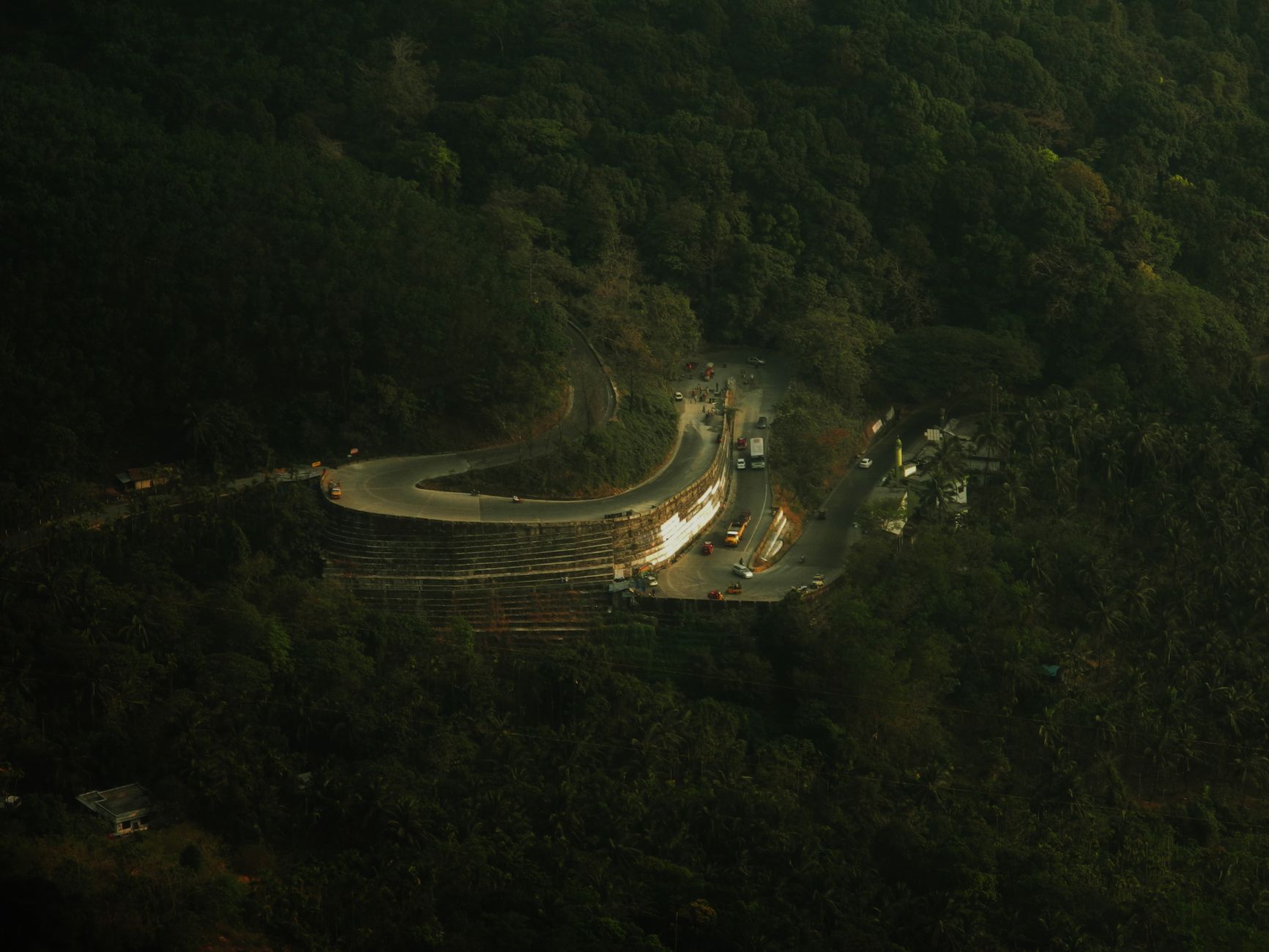
Meanwhile, in Maharashtra, the Bombay High Court has chastised the state government over the inadequate safety measures for schoolchildren travelling through wildlife-prone areas. With 228 students navigating routes near the Chandoli National Park and Sahyadri Tiger Reserve, the court has demanded immediate action to ensure their safety, highlighting the precarious balance between human habitation and wildlife conservation.
Environmental Protection Meets Judicial Scrutiny
This judicial activism reflects an emerging trend where courts are increasingly proactive in environmental governance. The cases illustrate an acute awareness of the intertwined fate of humans and the natural world. The courts have increasingly shown willingness to impose stringent norms, whether it involves mandating comprehensive solutions for sewage disposal or enforcing safety protocols in wildlife corridors.
These orders also underscore the courts' role in holding government agencies accountable. As the country grapples with rapid urbanisation and environmental degradation, judicial intervention offers a crucial check against bureaucratic inertia and policy lapses.
Indeed, the judiciary's involvement in environmental matters is not merely about enforcing existing laws but also about nudging policymakers towards sustainable development. As these courts continue to tackle environmental challenges head-on, the hope remains that their directives will catalyse tangible change on the ground.