Creatine: A Surprising Ally in Protecting the Brain from Gut Inflammation
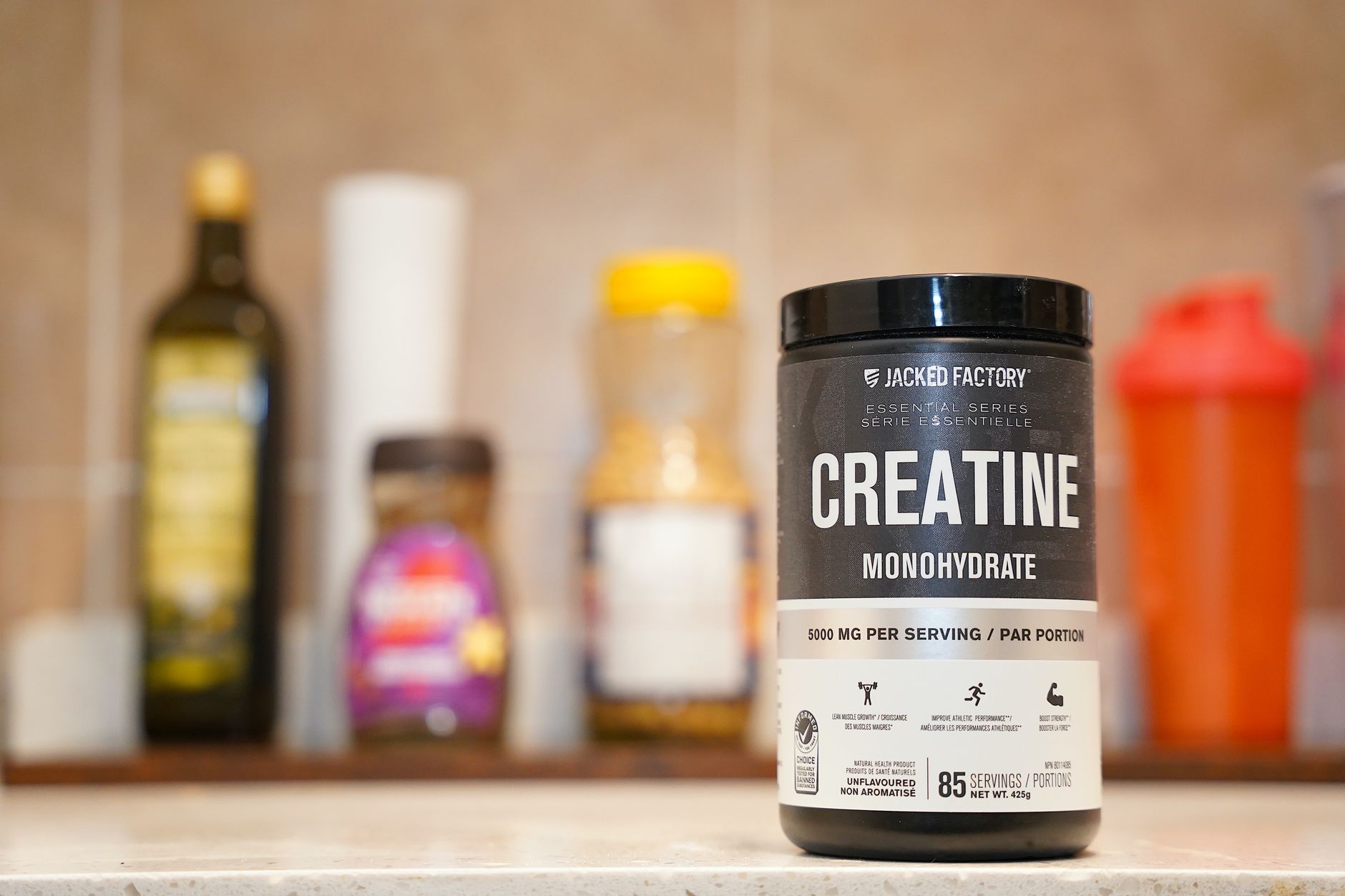
In a remarkable twist for sports enthusiasts and medical researchers alike, creatine—a supplement long championed by athletes—has emerged as a potential guardian of the brain against the perils of chronic gut inflammation. A recent study conducted on rats has unveiled creatine's protective effects against brain inflammation triggered by conditions such as ulcerative colitis.
The implications of this research stretch beyond the gym. Chronic gut inflammation, often seen in disorders like Inflammatory Bowel Disease (IBD), has been linked to a host of mental health issues, highlighting the intricate connection between our digestive system and brain health. This study sheds light on how a seemingly simple supplement could influence this complex relationship.
Understanding the Gut-Brain Axis
The gut-brain axis, a bidirectional communication network, plays a crucial role in maintaining mental health. Disruptions in this axis, as seen in gut inflammation, can exacerbate conditions like anxiety and depression. The study's findings suggest that creatine might offer a new therapeutic avenue, potentially alleviating the neurological impact of gastrointestinal disorders.
Creatine's role in energy metabolism is well-documented, particularly its ability to support cellular energy in muscles. However, its influence on brain cells, particularly in the context of inflammation, opens new frontiers for research. By preserving mitochondrial function, creatine could help stabilise neuronal integrity during inflammatory assaults.
The Bigger Picture
While the study's results are promising, they are but a preliminary step. Human trials will be essential to ascertain creatine's efficacy in clinical settings. Nonetheless, it underscores the importance of exploring nutritional interventions in managing complex health issues.
The burgeoning interest in the gut-brain connection is not without reason. As more individuals seek holistic approaches to health, understanding how supplements like creatine can bridge gaps in treatment is vital. For athletes and non-athletes alike, this could mean a step towards better mental and physical health.
As research continues to unravel the mysteries of the gut-brain axis, creatine's newfound role might just be the tip of the iceberg. Until then, its reputation as a sports booster gains an intriguing new dimension—as a potential ally in the battle against brain inflammation.