Cross-Gender Competitions: Imagining a New Era in Sport
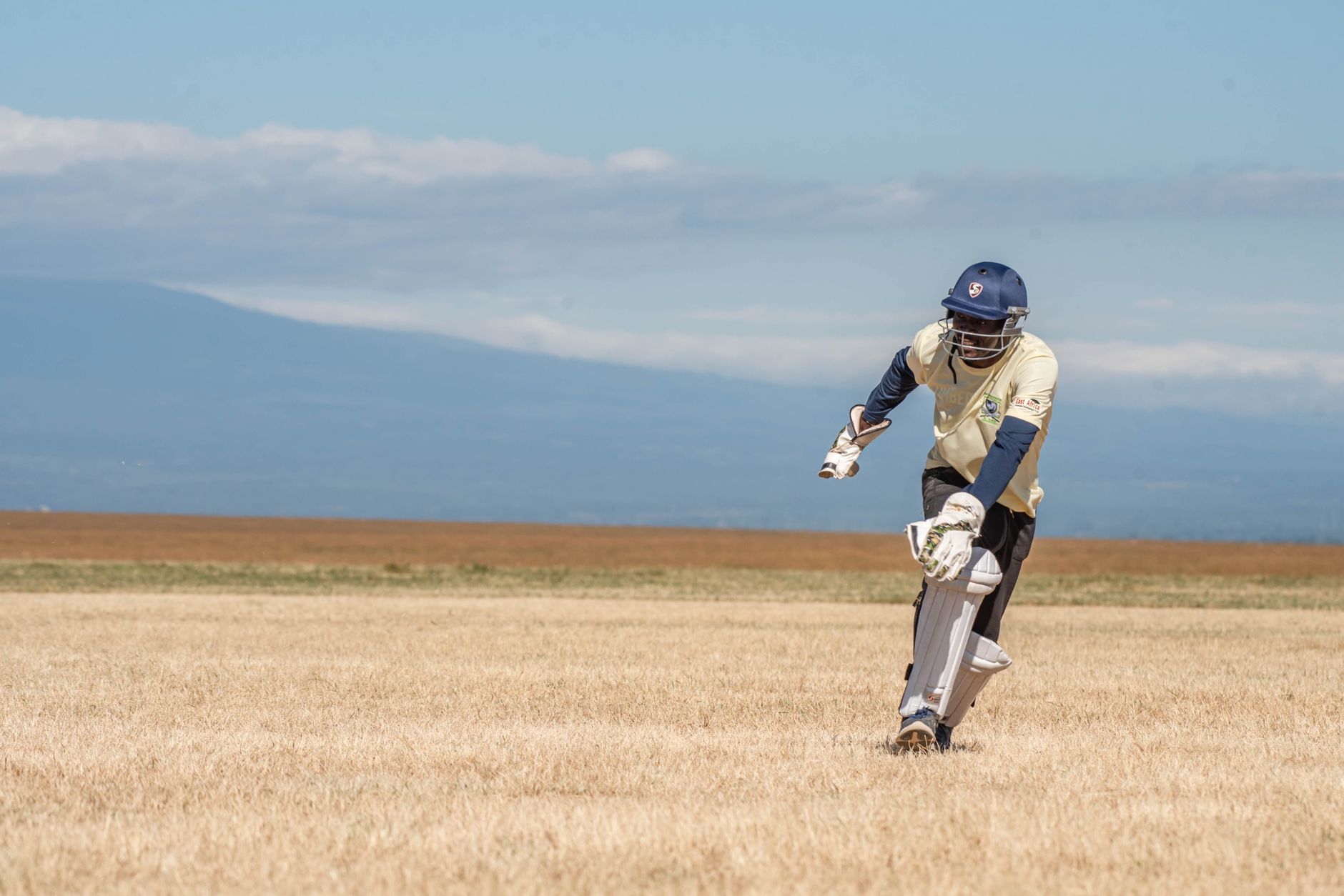
As the sun sets over Lord's, the chatter in cricket circles isn't just about runs or wickets. It's about a vision of the future, a future where men and women compete side by side on the pitch. The Hundred, with its innovative format, has opened the door to imagining what other cross-gender competitions might look like.
The Hundred has become a spectacle not merely for its condensed format but also for the way it has seamlessly integrated men's and women's fixtures. The buzz around star players like Ellyse Perry, whose recent unbeaten 62 not out guided Birmingham Phoenix to a crucial win, underscores the excitement.
But what if this integration went a step further? Imagine a football World Cup where Messi and Morgan share the same pitch, or a tennis Grand Slam with Nadal and Osaka teaming up in doubles. The notion may sound far-fetched, but it challenges the conventions that have long segregated sports by gender.
Breaking Boundaries
There are already whispers of such changes in the air. Mixed-gender events, like the one seen in The Hundred, could become more prevalent. The idea isn't without precedent; the Olympics and Commonwealth Games already feature mixed events in certain sports. These competitions not only celebrate athletic prowess but also promote gender equality.
However, cross-gender competitions face significant hurdles. The physical differences between male and female athletes, the traditional structure of sports organisations, and societal perceptions all present challenges. Yet, as The Hundred suggests, innovation often thrives in the face of adversity.
A New Sporting Frontier
Consider the potential benefits. Cross-gender competitions could attract wider audiences, tapping into the growing demand for diversity and inclusivity in sports. They could foster new rivalries, create fresh narratives, and ultimately, enrich the sporting experience for players and fans alike.
Of course, not every sport may lend itself to such integration. But for those that do, the rewards could be substantial. As The Hundred continues to captivate audiences, it invites us to dream bigger. Perhaps, one day, the norm will be men and women competing together, not just in parallel tournaments but in shared contests that respect and celebrate their unique qualities.