Decoding the Cosmic Cradle of First Supermassive Black Holes
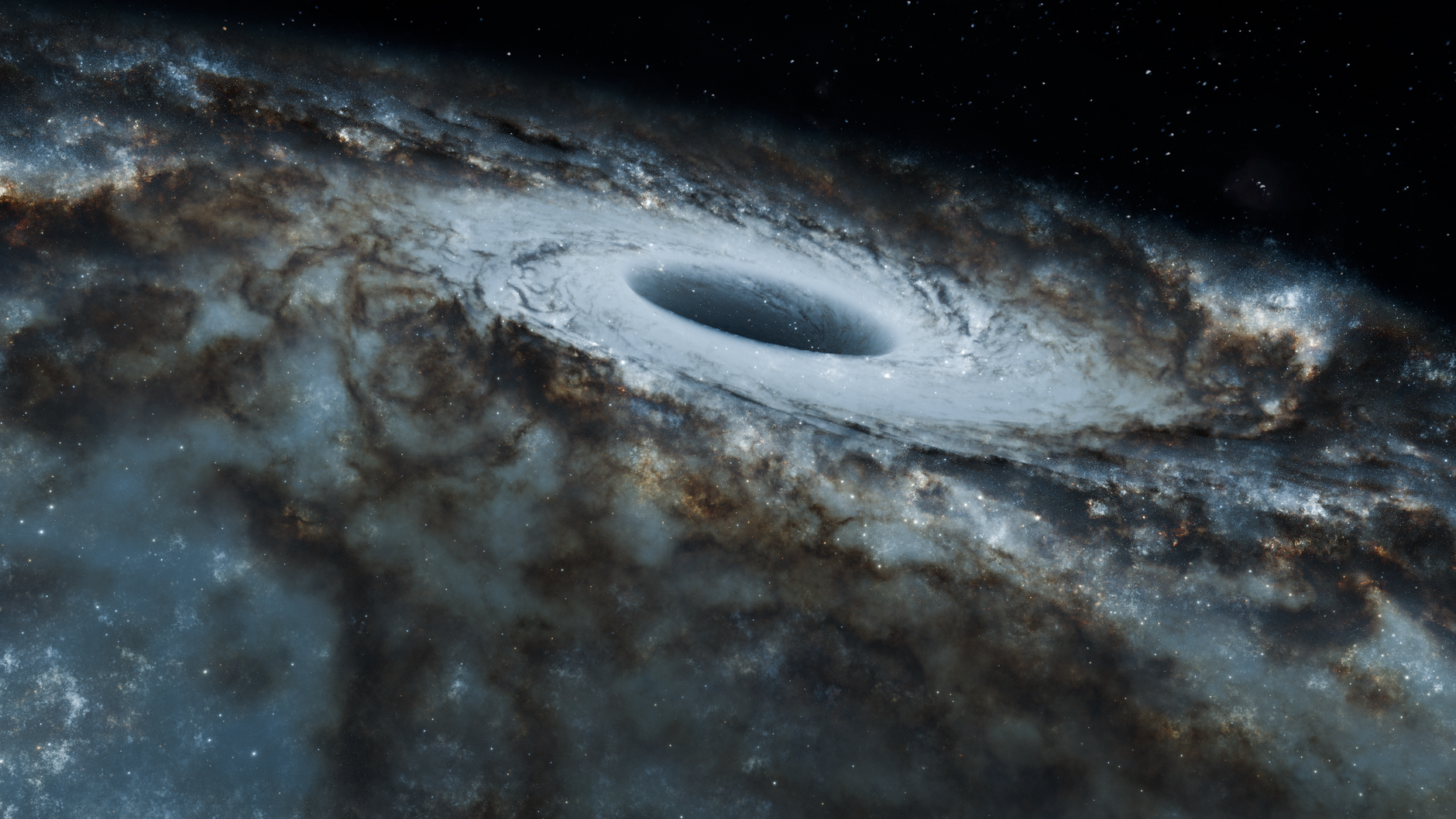
In the unyielding expanse of the cosmos, where time stretches to unimaginable lengths, scientists have embarked on a remarkable journey to chart the birthplace of the universe’s first supermassive black holes. These celestial titans, which loom in the centres of galaxies, are believed to have formed a mere 500 million years after the Big Bang — a blink in cosmic terms.
Recent research has begun to unravel the enigmatic conditions under which these immense black holes emerged. Using advanced cosmological radiation-hydrodynamic simulations, researchers have mapped the gas density distribution around target halos at a redshift of z=12. This crucial investigation sheds light on the elusive seeds from which black holes of astonishing mass could grow.
Such black holes are thought to arise from the direct collapse of massive gas clouds, bypassing the traditional route of star death and collapse. This direct collapse theory posits that under specific conditions, massive black hole seeds can form rapidly, offering a tantalising glimpse into the early universe's chaotic nursery.
The implications of these findings extend beyond mere academic curiosity. Understanding the formation of these primordial giants may illuminate the role they have played in shaping the galaxies we observe today. These black holes, through their gravitational influence, could have orchestrated the dance of stars and gas, leading to the diverse cosmic structures we witness.
Theoretical and Practical Implications
While the theoretical framework continues to evolve, the practical implications are profound. By deciphering the birth environment of supermassive black holes, astronomers can refine models of galaxy formation and evolution. This research also poses intriguing questions about the nature of early universe conditions that favoured such formations.
In essence, by peering back through the vast corridors of time, scientists are not only learning about the universe's past but are also paving the way for future discoveries that could redefine our understanding of the cosmos. As telescopes become ever more powerful and simulations more sophisticated, the mysteries of these monstrous black holes may finally yield their secrets.