DeepMind's AI: Revolutionising Agriculture at Digital Speed
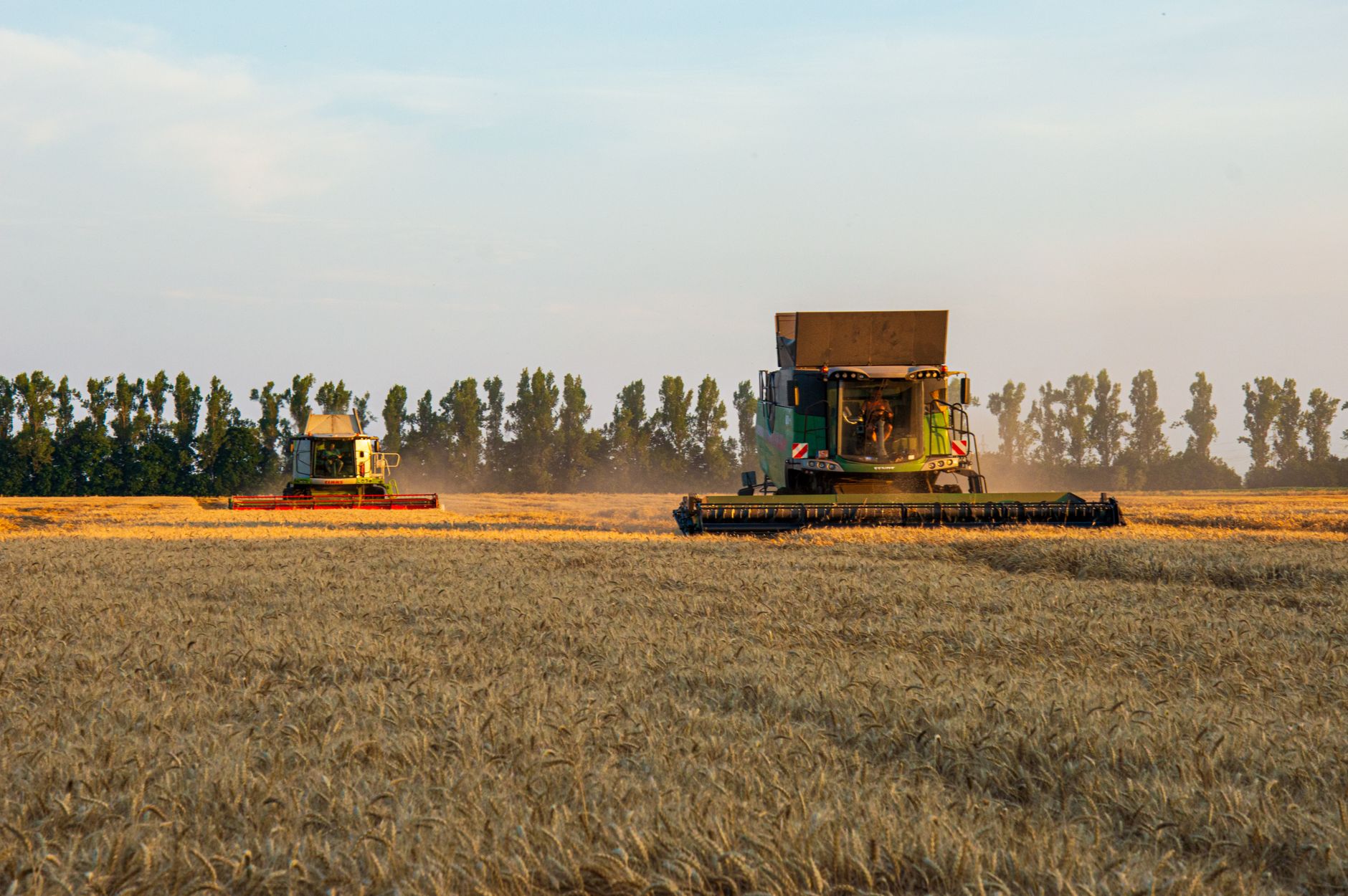
When it comes to agriculture, Google DeepMind isn't just sowing seeds; it's cultivating a digital revolution. Lila Ibrahim, a leading figure in AI development, has articulated a vision where years of painstaking agricultural research are condensed into mere months, thanks to the prowess of artificial intelligence. The implications stretch beyond mere efficiency, promising a future where crops are not just improved but transformed to withstand the rigours of climate change.
DeepMind’s commitment to agriculture is not merely theoretical. Its AI models, initially honed in the fields of India, are now being deployed at scale across Asia and Africa. These models, such as the Agricultural Landscape Understanding (ALU) and Agricultural Monitoring & Event Detection (AMED), are designed to provide real-time insights and proactive measures against potential agricultural setbacks. Integrated into platforms like Google Earth, they offer a panoramic view of farming landscapes, allowing for precision monitoring and timely interventions.
The significance of this technology cannot be overstated. In India, farmers are witnessing enhanced access to farm credit and more precise crop advisory services, transforming agricultural practices. These AI systems analyse vast datasets with an acuity that human researchers could only dream of achieving. This computational power equips farmers with the tools to navigate the increasingly erratic patterns of climate change, a factor that has historically wreaked havoc on traditional farming methods.
DeepMind's expansion into six African nations marks a crucial step in this digital agricultural renaissance. By providing these regions with cutting-edge AI tools, DeepMind is not just supporting local farmers but is also contributing to a broader global food security strategy. The integration of AI in agriculture is a beacon of hope in an era where food systems are under unprecedented strain.
Ultimately, the true test of DeepMind's AI models will be their ability to adapt and evolve in tandem with the changing agricultural landscape. As they continue to refine these technologies, the promise of a more resilient, sustainable agricultural future appears not only possible but imminent.