Delhi Faces Surge in H1N1 Cases: Health Ministry Issues Warning

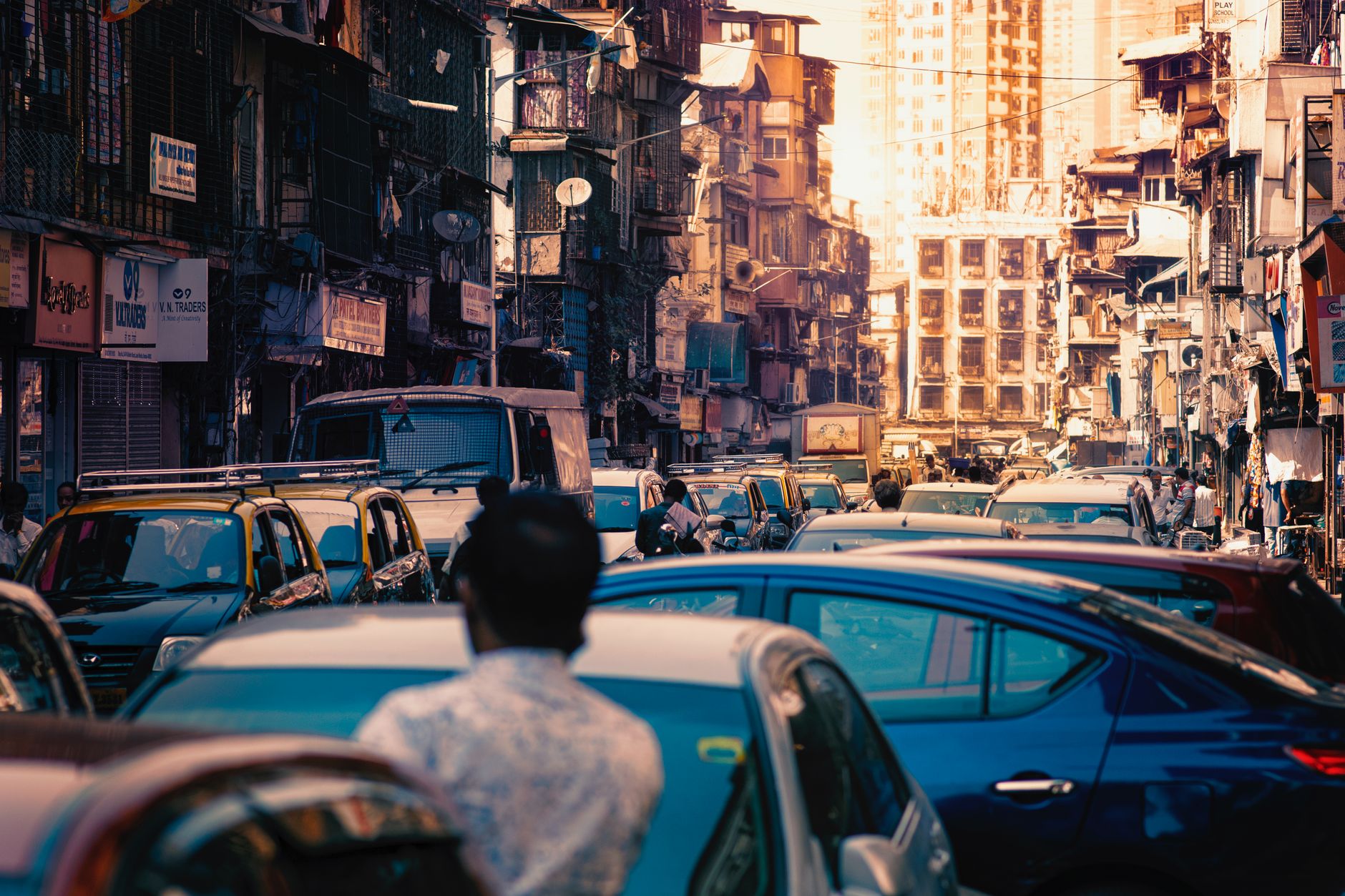
In the bustling heart of Delhi, a silent adversary is on the prowl. The city, known for its resilience, is now grappling with a formidable rise in H1N1 influenza cases, often referred to as swine flu. With the tally crossing 1,700, the spectre of the 2009 pandemic looms large.
The Ministry of Health and Family Welfare, in its most recent advisory, has urged citizens to remain vigilant. Fever, persistent cough, and sore throat are among the symptoms that should not be taken lightly. 'Seek immediate medical advice if these symptoms persist,' the ministry implores, in a bid to stem the tide.
Delhi's hospitals are seeing an influx of patients, reminiscent of the challenges faced over a decade ago. Dr. Anjali Kumar, a leading virologist, noted, 'The current wave could potentially mirror the severity of past outbreaks if not addressed with urgency.'
While the capital city bears the brunt, the ripple effects are felt across the nation. Several states report rising infection rates, raising alarms in healthcare circles. This surge is attributed to factors such as increased travel and the onset of monsoon, conditions ripe for flu transmission.
Public Awareness and Precaution
Public awareness campaigns have been ramped up, with health officials advising the use of masks, frequent hand washing, and avoiding crowded places. The emphasis, however, remains on early detection and treatment. A timely intervention can significantly reduce complications and prevent the virus from spreading further.
The ministry's advisory serves as a crucial reminder of the collective responsibility in combating infectious diseases. While vaccines are available, their uptake remains uneven, necessitating a concerted effort to boost immunisation rates.
As Delhi navigates these turbulent times, the resilience of its citizens will be tested. But with informed vigilance and adherence to health guidelines, the city can hope to curtail the impact of this unwelcome visitor.