Delhi High Court: Education Rights Must Not Be Taken Lightly

In a decisive statement, the Delhi High Court has reiterated that the right to pursue higher education, though not enshrined as a fundamental right in the Indian Constitution, must not be curtailed with indifference. This pronouncement comes amidst increasing debates on educational accessibility and state responsibility.
The court's remarks underscore the affirmative obligation of the state to facilitate access to higher education. This stance serves as a reminder that while the Constitution may not explicitly categorise this right as fundamental, its essence is embedded in the broader framework of equity and justice.
Broader Implications
Education, particularly at the tertiary level, is often seen as a gateway to opportunities, enabling socio-economic mobility. The court's emphasis on the state's role in ensuring educational access reflects a broader understanding of this dynamic. It acknowledges that barriers to education can perpetuate cycles of poverty and inequality.
The recognition of education as a pivotal societal investment rather than merely a privilege is crucial. It places the onus on government bodies to implement measures that prevent arbitrary restrictions on access, ensuring that all individuals, irrespective of their background, have the opportunity to fulfil their potential.
Challenges and the Way Forward
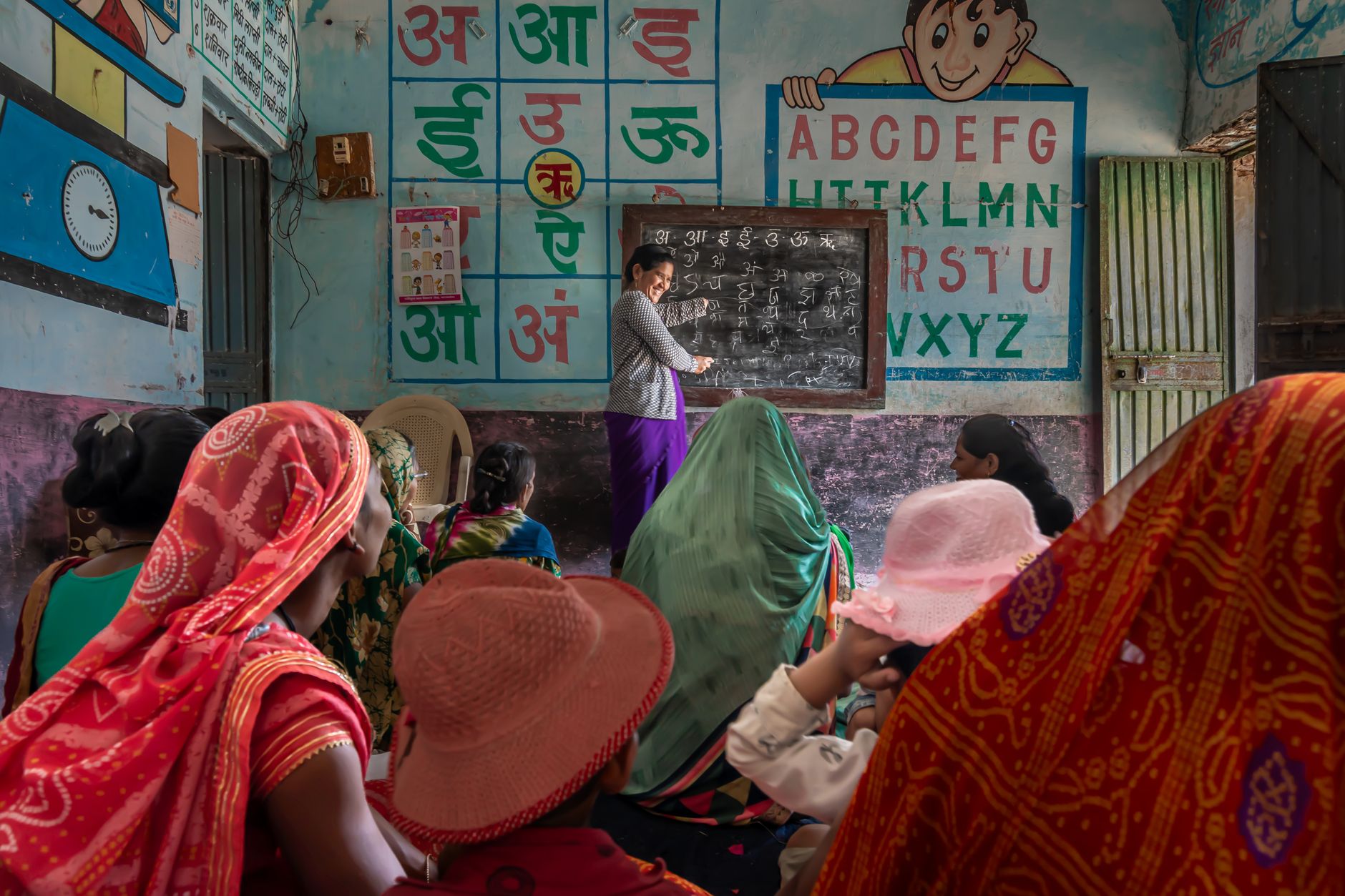
Despite the court's clear stance, challenges remain. The disparity in educational infrastructure and resources between urban and rural areas, alongside financial constraints faced by many families, continues to hinder equitable access.
As policymakers grapple with these challenges, the Delhi High Court's assertion could act as a catalyst for change. It calls for a re-evaluation of existing policies and the introduction of reforms that prioritise inclusivity and fairness in the educational sphere.
In conclusion, while the path to embedding the right to higher education as fundamental may be fraught with complexities, the court's declaration is a significant step in reinforcing the moral and ethical obligations of the state. It serves as a clarion call for action, urging a collective commitment to educational equity.