Delhi's Bold Pollution Strategy: Waste Reclaim and Industrial Sealing
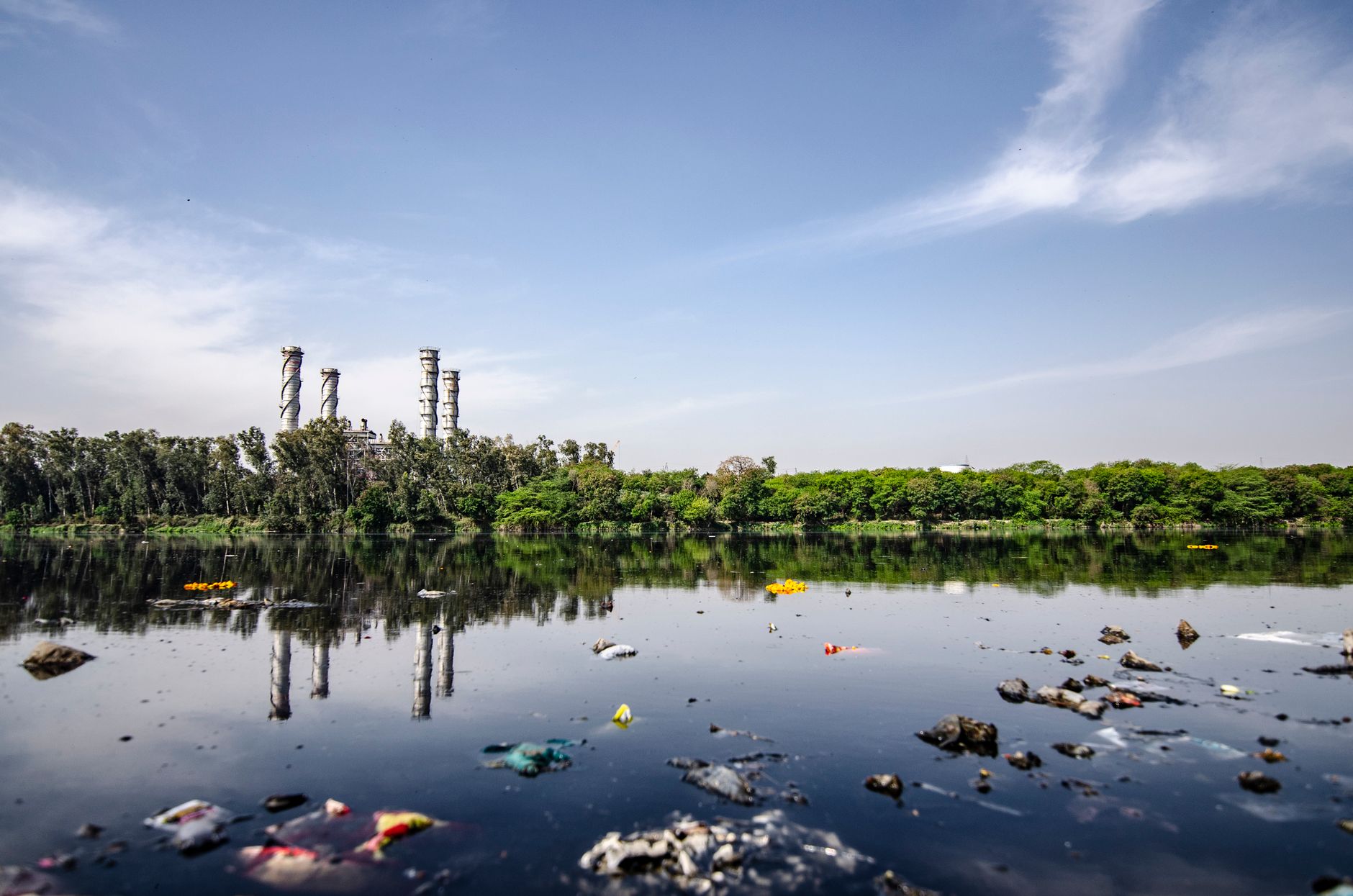
Delhi's struggle against the choking grip of pollution is hardly a new tale, yet recent developments suggest a fresh chapter may be unfolding. At an event hosted by the India Today Group, the city's Environment Minister detailed a comprehensive plan aimed at tackling the capital's air quality woes head-on. The cornerstone of this strategy is a three-pronged approach: waste reclamation, a focus on lowering the Air Quality Index (AQI), and the sealing of polluting industries.
For years, Delhi's residents have been grappling with hazardous air, often likened to smoking numerous cigarettes daily. The new plan seeks to change this grim reality by reclaiming waste from the city's overburdened landfills. Not merely a cosmetic measure, this initiative aims to reduce the volume of waste that contributes to air pollution through uncontrolled fires and methane emissions.
Furthermore, the Delhi Government has reinforced its commitment to the Graded Response Action Plan-1 (GRAP-1), which is designed to adapt to varying pollution levels. This strategic plan will see a concerted effort to monitor and lower the AQI, particularly during the winter months when air quality tends to plummet.
Perhaps most striking is the proposed crackdown on industries flouting environmental norms. The Minister indicated that a significant number of industrial units would face sealing if they fail to adhere to prescribed pollution control measures. This decisive action underscores the government's resolve to prioritise public health over industrial complacency.
Yet, this ambitious blueprint is not without its challenges. The feasibility of waste reclamation on such a large scale remains to be tested, and the enforcement of industrial regulations requires robust monitoring mechanisms. Still, the initiative represents a hopeful stride towards a cleaner, healthier Delhi.
While the city's residents enjoy a temporary reprieve courtesy of recent rains, the long-term success of this plan will be measured by its ability to effect tangible improvements in air quality. As the Minister aptly noted, the path to a pollution-free Delhi will not be swift, but with sustained effort and public cooperation, it is a journey worth undertaking.