Delhi's Cockroach Party Protest Sparks Mass Detentions
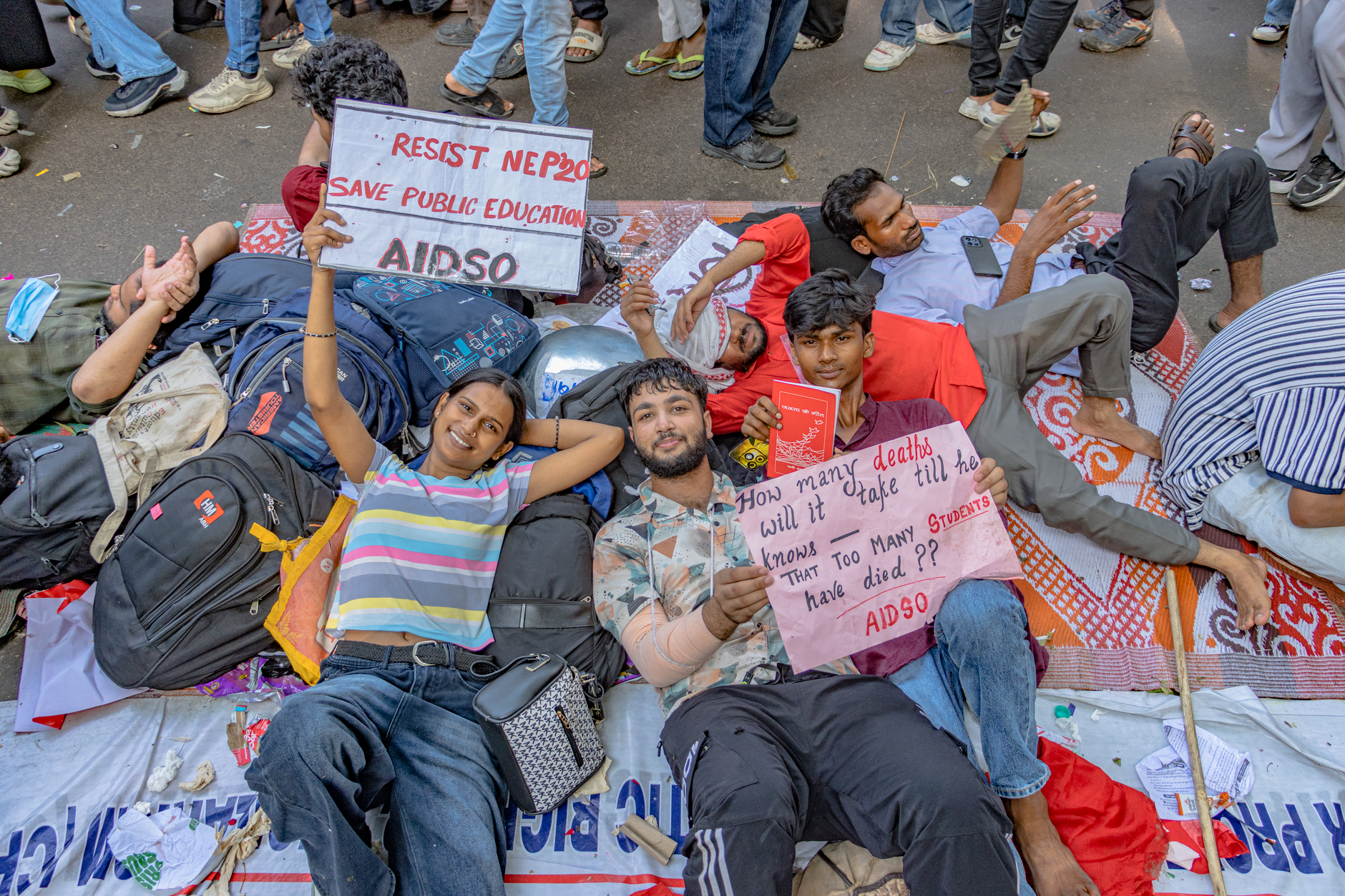
Delhi witnessed a dramatic escalation in political tensions as hundreds of protestors, including leaders of the Cockroach Janta Party (CJP), were detained by police. The protest, calling for electoral reforms, became a focal point of youth activism in the capital.
The CJP, a Gen-Z led movement, has been gaining traction for its unapologetic critique of the current electoral system. Saturday's demonstration, however, was thwarted by authorities who erected barricades and implemented a heavy police presence to prevent the protest from gaining momentum. Despite the denial of permission to protest at Jantar Mantar, a popular protest site, the demonstrators attempted to gather, resulting in mass detentions.
Among those detained were several notable figures including former MPs and student leaders, highlighting a growing coalition of voices demanding change. The detentions were swift, with protestors reportedly being whisked away in buses before they could reach their intended gathering point.
The Call for Electoral Reforms
At the heart of the protests is the call for the resignation of the election chief and a demand for comprehensive electoral reforms. The CJP accuses the current system of being opaque and biased, echoing a sentiment shared by a sizeable portion of the youth population. The movement's use of the moniker 'Cockroach' symbolises resilience and an unyielding spirit in the face of adversity.
This wave of activism comes at a crucial time, with upcoming elections set to shape the political landscape. The CJP's bold stance and ability to mobilise large groups of young people have caught the attention of political analysts and opposition parties alike.
A Broader Implication
The mass detentions in Delhi not only highlight the immediate tension between authorities and protestors but also raise questions about freedom of assembly and expression in the world's largest democracy. As the CJP and its allies continue to rally for change, the response from the government will be closely watched, setting the stage for potential further confrontations.
In the end, the protests underscore a significant generational shift in Indian politics, where young voices are increasingly demanding accountability and transparency. Whether these demands will translate into tangible reforms remains a question, but the movement has certainly made its mark.