Delhi's Disappearing Protests: The Politics of Silencing Dissent
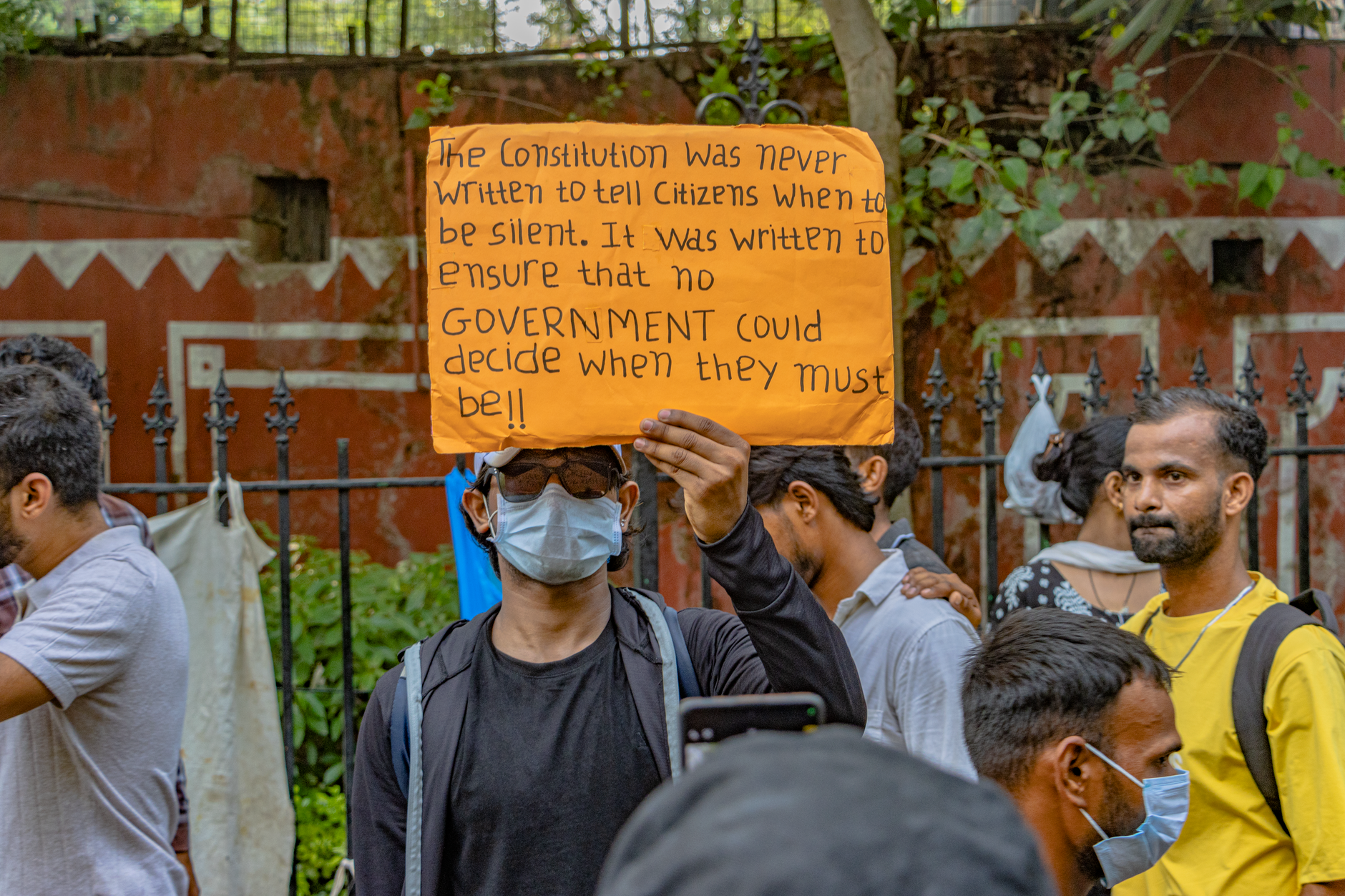
In the shadow of Delhi's grand political edifices, a quieter, more insidious transformation is unfolding. Once a bustling hub of democratic expression, the capital is witnessing a concerted effort to silence its dissenters. The recent barring of protests from Jantar Mantar, a historical site synonymous with public demonstrations, marks a turning point in the politics of suppression.
Jantar Mantar, built in 1724 by Maharaja Jai Singh II as an astronomical observatory, has long served as a bastion for the voiceless. It has hosted countless protests and sit-ins, from farmers to students, each vying for attention amidst the cacophony of urban life. However, the Modi government's tightening grip on protest spaces reflects a growing intolerance for opposition voices.
The Legal Pretext
Invoking Section 163 of the Bharatiya Nagarik Suraksha Sanhita (BNSS), the Delhi Police have effectively stifled public assemblies. This provision, which prohibits gatherings of five or more people, has been wielded with increasing frequency, raising questions about its use as a tool for political control. Critics argue that such measures are less about maintaining public order and more about curbing dissent.
Recent events underscore this narrative. Allegations of sexual harassment during an October 3 protest have been met with a muted response from authorities, further fuelling accusations of bias in law enforcement. The transfer of the case to the Crime Branch at Kamla Market, while procedural, has done little to assuage concerns over accountability.
A Broader Trend
The closure of Jantar Mantar to protests is emblematic of a larger trend under Prime Minister Narendra Modi's tenure. Observers note a marked decline in the space available for civil discourse and activism, with dissenters increasingly pushed to the periphery. This shift not only stifles democratic engagement but also risks alienating segments of the population.
Delhi's protest sites have historically been a crucial part of the city's social fabric, offering a platform for grievances to be aired and addressed. The erosion of these spaces represents a significant challenge to the principles of free expression enshrined in India's democratic framework. As public criticism of the government's approach grows, the future of protest in the capital hangs in the balance.