Delhi's Economic Pulse Falters Amidst Metro and Internet Disruptions
As dawn broke over Delhi, the usual humdrum of the city was replaced by a tense silence. The capital's vibrant economic pulse was stifled as commuters and businesses grappled with the double blow of metro closures and internet restrictions. By the time many reached their intended destinations, they found themselves staring at shuttered metro stations and mobile networks that had fallen eerily silent.
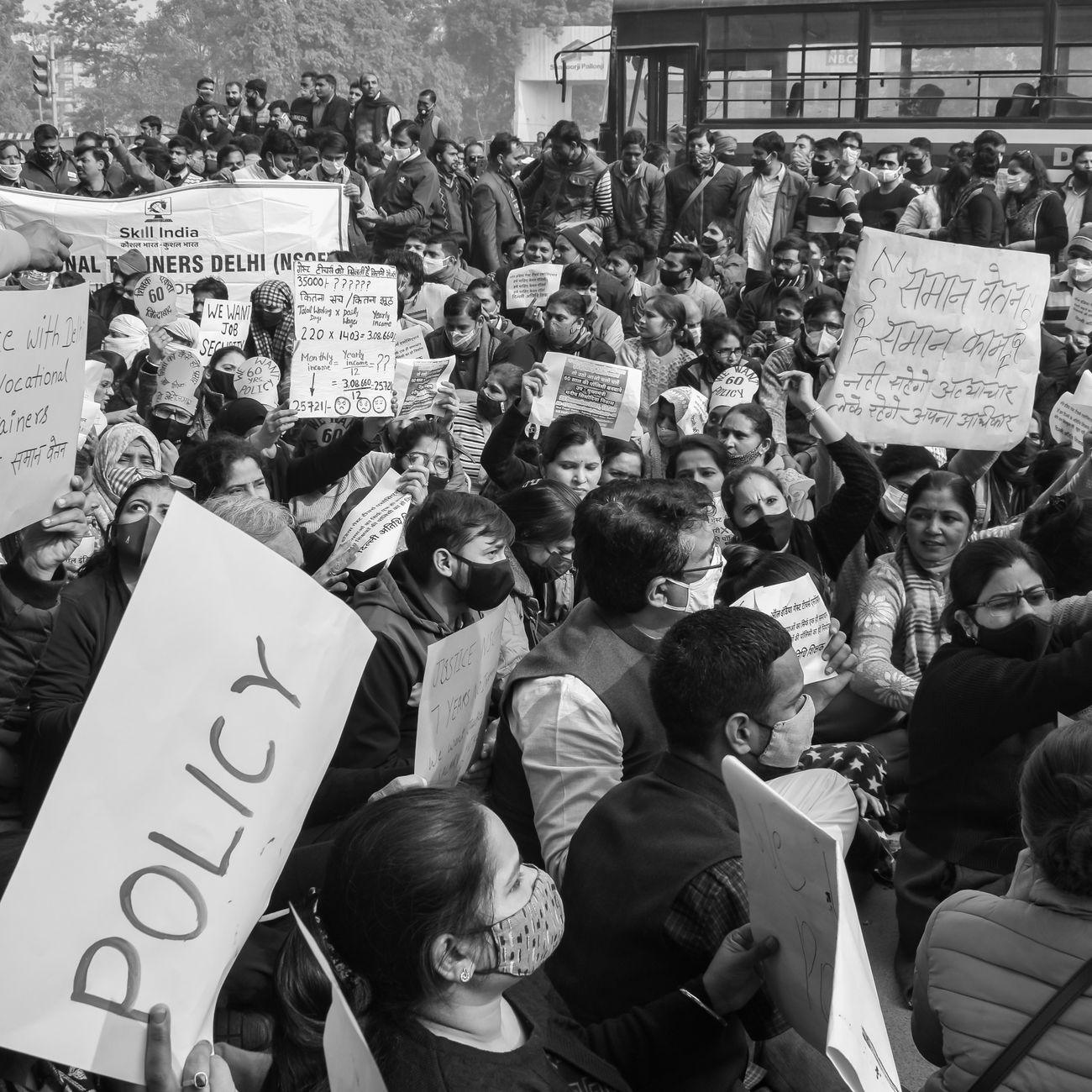
The Delhi Metro Rail Corporation's decision to close 16 key stations, including Rajiv Chowk and Mandi House, ostensibly for 'security reasons', has paralysed the city’s core. These closures, prompted by the Cockroach Janta Party protest at Jantar Mantar, have disrupted the rhythm of daily life, leaving commuters in the lurch and sparking spontaneous protests of their own.
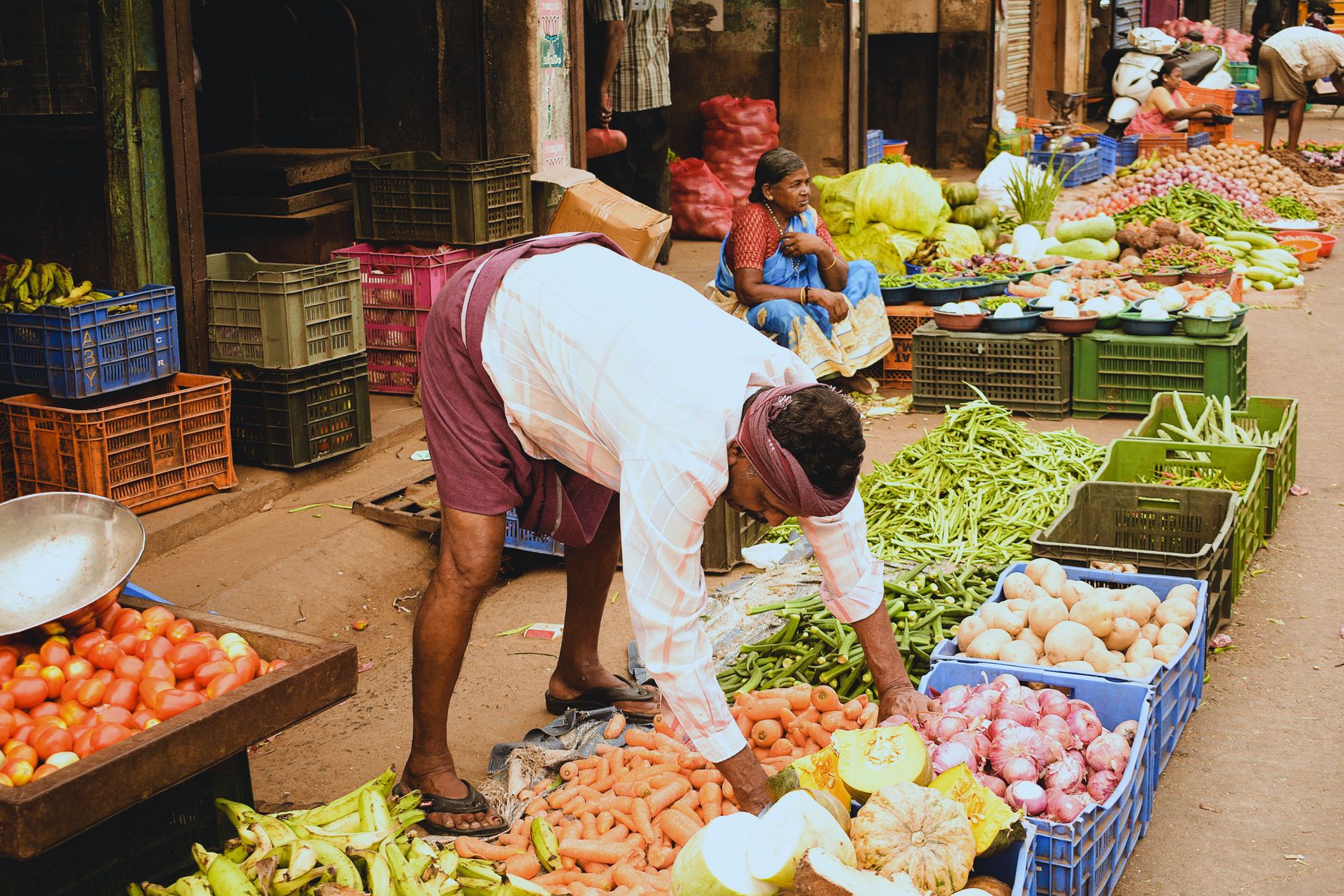
Businesses, particularly small enterprises, have borne the brunt of these disruptions. Rakesh Yadav, a food stall owner in Connaught Place, paints a grim picture. 'From 5,000 rupees a day, I've fallen to barely 500,' he laments, gesturing towards the empty street where bustling crowds once thronged. The reliance on the Unified Payments Interface for transactions means internet curbs have dealt a severe blow, as cashless payments are rendered impossible.
For Delhi's youth, the protests represent more than a mere disruption; they are a call to action. As the government urges dialogue, demonstrators remain resolute, their voices echoing through the streets of the capital. Yet, for the ordinary citizen, the immediate concerns are more mundane: how to get to work, how to make a living, how to navigate a city that seems to have stopped functioning.
Stranded in the Capital
At the heart of this chaos are the commuters, stranded in a city that prides itself on connectivity. 'It's like trying to get around during Diwali rush hour,' one exasperated commuter remarked, as he attempted to make sense of the closed stations and halted services. The usually reliable metro network, a lifeline for millions, has become a source of frustration and delay.
In a city where time is money, the economic ramifications of such disruptions are profound. As businesses shutter early and employees arrive late, the day-to-day operations are thrown into disarray. Whether the government’s security measures are proportionate is a matter of debate, but for now, Delhi remains a city on edge, its economic heart struggling to beat.