Delhi's Orange Alert: Rainfall Compounds Air Quality Concerns
Delhi woke up to an orange alert on Friday, as the heavens opened and the capital city found itself grappling with a deluge that hampered daily life. The Indian Meteorological Department (IMD) issued the alert, warning of heavy rainfall that might not only bring the city to a halt but also worsen the already precarious air quality.
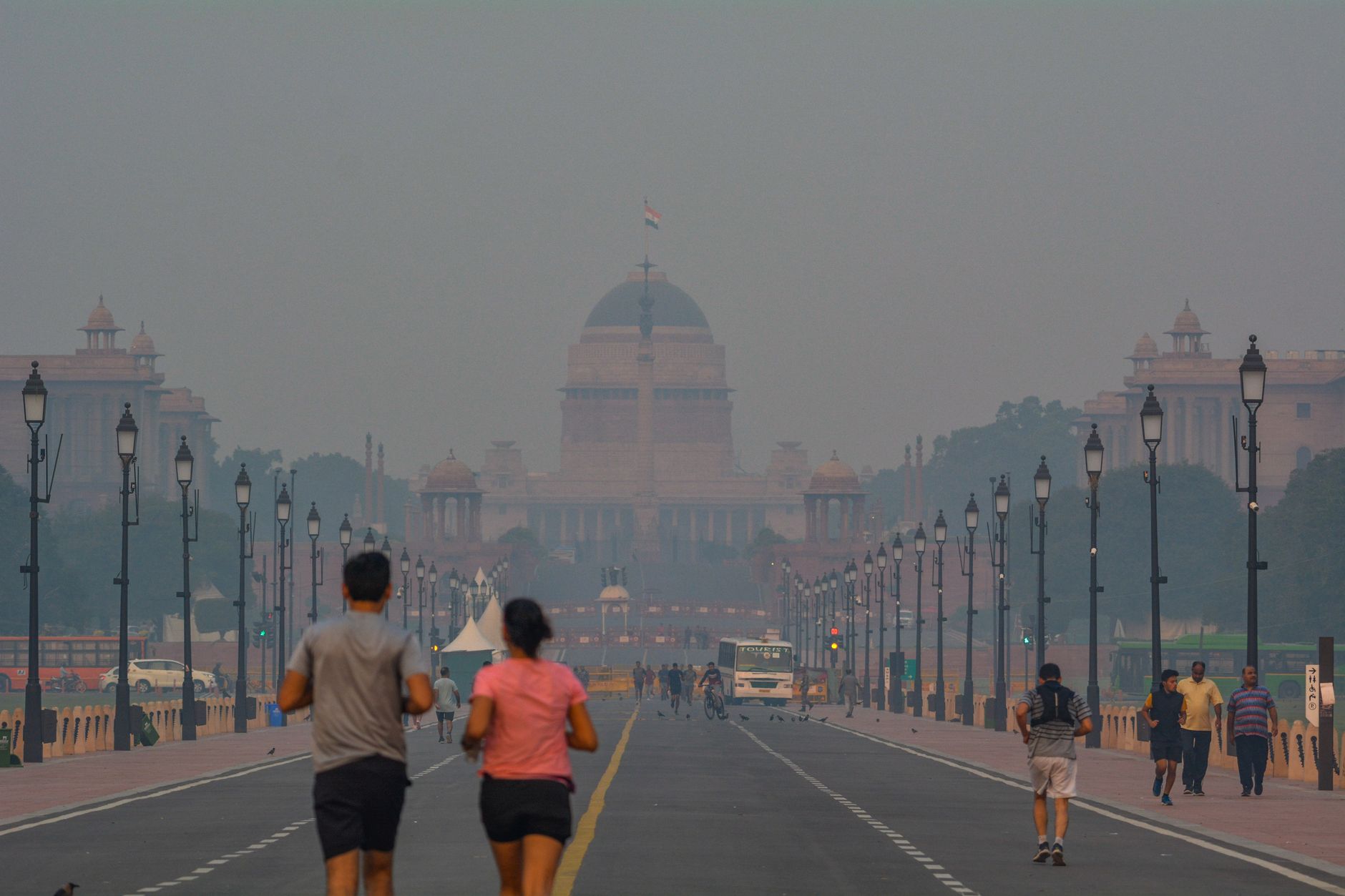
The air quality index (AQI) at 9 am stood at 372, categorised as 'very poor'. This means that the air quality is detrimental to health, especially for individuals with pre-existing respiratory conditions. The rains, while offering a temporary reprieve from the oppressive heat, have unfortunately not washed away the pollutants, but rather, stirred them up.
Double-Edged Sword of Rain
As rains lashed across Delhi and its neighbouring regions, including Gurugram, the immediate relief from the sweltering summer was palpable. Yet, this relief is quickly overshadowed by the accompanying rise in humidity levels, which could make the weather feel even more uncomfortable. The rains have also exacerbated waterlogging, with the Yamuna River nearing the danger mark, adding to the woes of the city's inhabitants.
Residents have been advised to stay indoors where possible, and Gurugram authorities have even suggested work-from-home arrangements to mitigate the impact of the weather-induced chaos. While such measures aim to reduce the physical disruption, the invisible threat of air pollution lingers ominously.
Health Risks Underestimated
Health experts have raised alarms over the potential health risks posed by the combination of rain and poor air quality. The rain tends to keep pollutants closer to the ground, which can aggravate respiratory issues and other health problems. Vulnerable groups, especially children, the elderly, and those with asthma, are particularly at risk.
Authorities have urged the public to be cautious and avoid strenuous outdoor activities. The Delhi government is closely monitoring the situation, hoping that the weather will soon settle into a more predictable pattern, allowing the air quality to improve.
In the meantime, the residents of Delhi must navigate not just the flooded streets, but also the invisible threat that hangs in the air.