Dengue Defence: Expert Tips on Keeping Mosquitoes at Bay
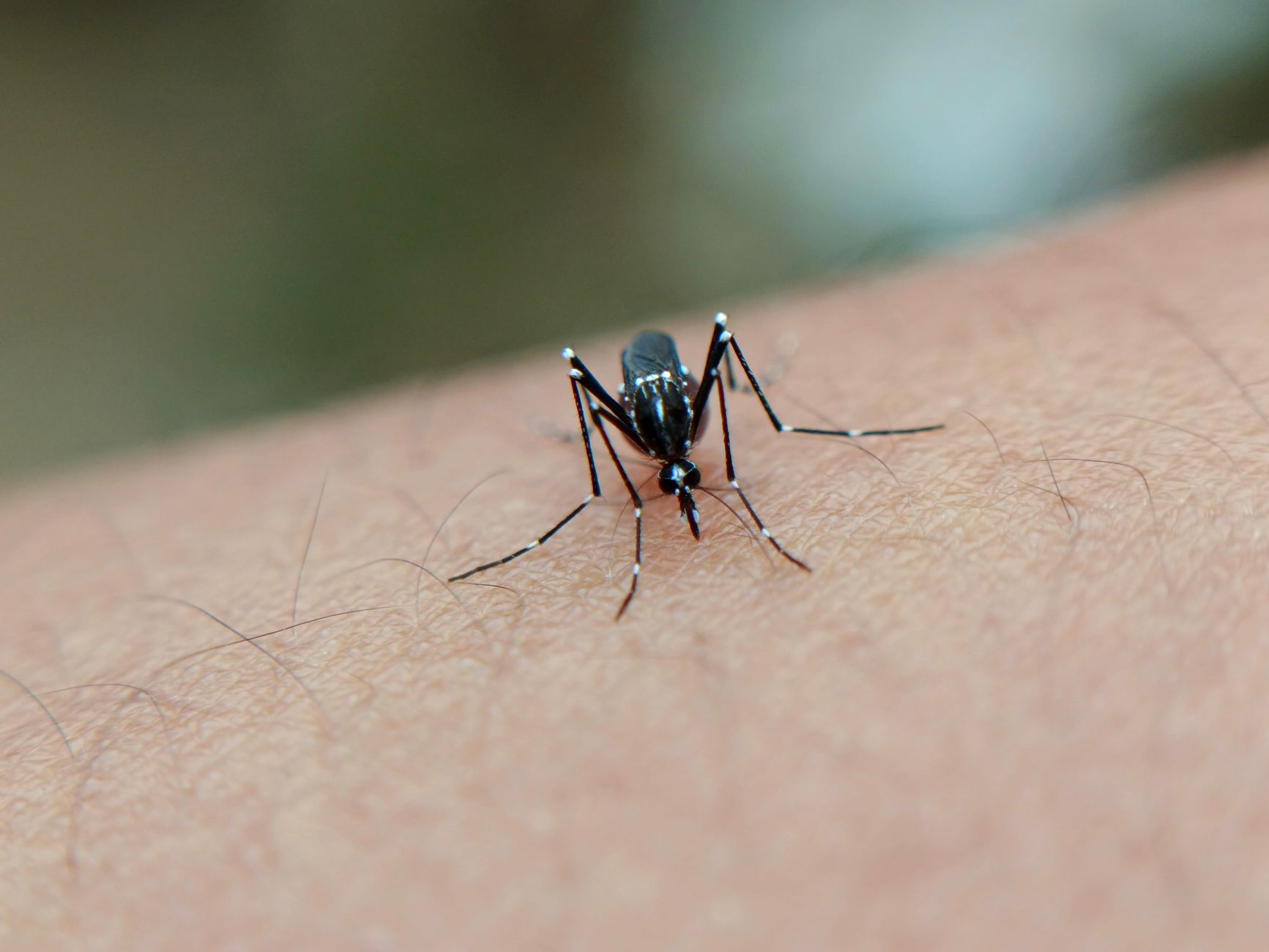
Dengue fever, an ailment that has plagued tropical regions for decades, remains a formidable challenge for health authorities worldwide. As cases surge during rainy seasons, the focus turns to prevention.
Unlike malaria, dengue is transmitted by Aedes mosquitoes, particularly the Aedes aegypti and Aedes albopictus species. These mosquitoes thrive in urban areas where stagnant water serves as breeding grounds. Thus, one of the most effective preventive measures is to eliminate these potential breeding sites. Health experts recommend regularly checking and draining any containers that collect rainwater, such as flower pots, buckets, and old tyres.
Personal Protective Measures
In addition to environmental management, personal protection remains key. The use of mosquito repellents is strongly advised, especially for those living in or travelling to areas prone to dengue outbreaks. Wearing long-sleeved clothing can further reduce the risk of mosquito bites.
Moreover, installing screens on windows and doors or using mosquito nets while sleeping can provide an added layer of protection. Such barriers are particularly crucial during daytime hours when Aedes mosquitoes are most active.
Community and Policy Engagement
Combating dengue effectively requires a concerted effort from communities and policymakers alike. Public health campaigns play an essential role in educating people about preventive practices. Meanwhile, authorities are urged to enforce policies that support urban sanitation and vector control.
In some regions, innovative approaches such as the release of genetically modified mosquitoes are being explored to curb mosquito populations. While these methods show promise, their long-term impacts and feasibility remain under scrutiny.
As dengue has no specific treatment, early detection and supportive care are vital for those affected. Recognising symptoms such as high fever, severe headache, and joint pain can prompt timely medical consultation, potentially reducing the risk of severe complications.
Ultimately, the fight against dengue requires vigilance and proactive measures. By keeping mosquitoes at bay, communities can significantly reduce the incidence of this debilitating disease.