Dharmendra Pradhan's Departure: A Minister's Dilemma Amidst NEET Controversy
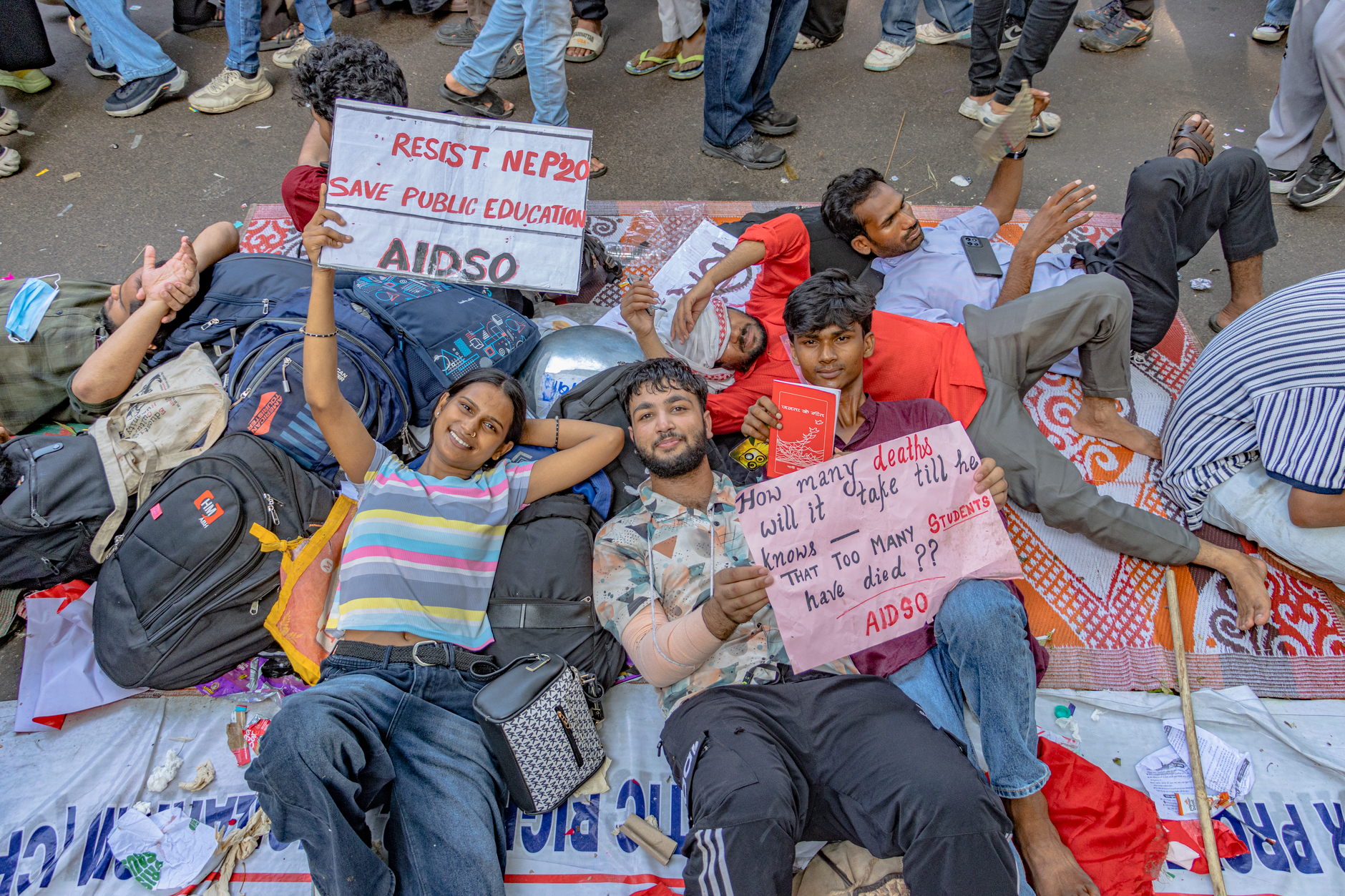
The resignation of Dharmendra Pradhan as India's Education Minister comes as a dramatic climax to weeks of turmoil and protest. A once celebrated figure for his role in advancing the National Education Policy, Pradhan found himself at the centre of a storm surrounding the NEET-UG 2026 examination. Accusations of paper leaks and systemic failures in managing the competitive exam process led to a crescendo of demands for his resignation.
Pradhan, who personally submitted his resignation to Prime Minister Narendra Modi, described the situation as deeply distressing. 'The aspirations of our children must take precedence,' he said, underscoring his commitment to safeguarding the integrity of the educational system even at the cost of his political career. Observers note that Pradhan's departure marks a significant juncture for the Modi administration, struggling to maintain public confidence amidst escalating dissatisfaction among students.
The NEET Controversy
The NEET-UG 2026 debacle began with allegations that examination papers were leaked, sparking outrage across the nation. Protests erupted, with students and parents expressing frustration over what they perceive as a betrayal of trust. The situation was further inflamed by reports of mishandling the exam process and widespread dissemination of misinformation online, which galvanised the protests.
Despite Pradhan's initial attempts to quell the unrest, including offers to resign that were previously rejected, the persistent calls for accountability grew too loud to ignore. The Central Government, facing mounting pressure, eventually accepted his resignation, recognising the untenable position the Minister had been placed in.
A Political Implication
Pradhan's resignation is not merely a personal setback but a reflection of broader political challenges. His departure has been perceived as a blow to the government's educational reform agenda, which has been a cornerstone of its policy initiatives. Analysts suggest that the handling of the NEET crisis may have long-term implications for the ruling party, potentially affecting its credibility among the youth—a critical demographic in India's electoral landscape.
In the meantime, the focus shifts to the interim measures put in place to restore trust in the examination system and ensure that future incidents are averted. As students and educators await concrete actions, the political ramifications of Pradhan's resignation continue to unfold.