Diplomacy and AI: The UN General Assembly's High-Stakes Agenda
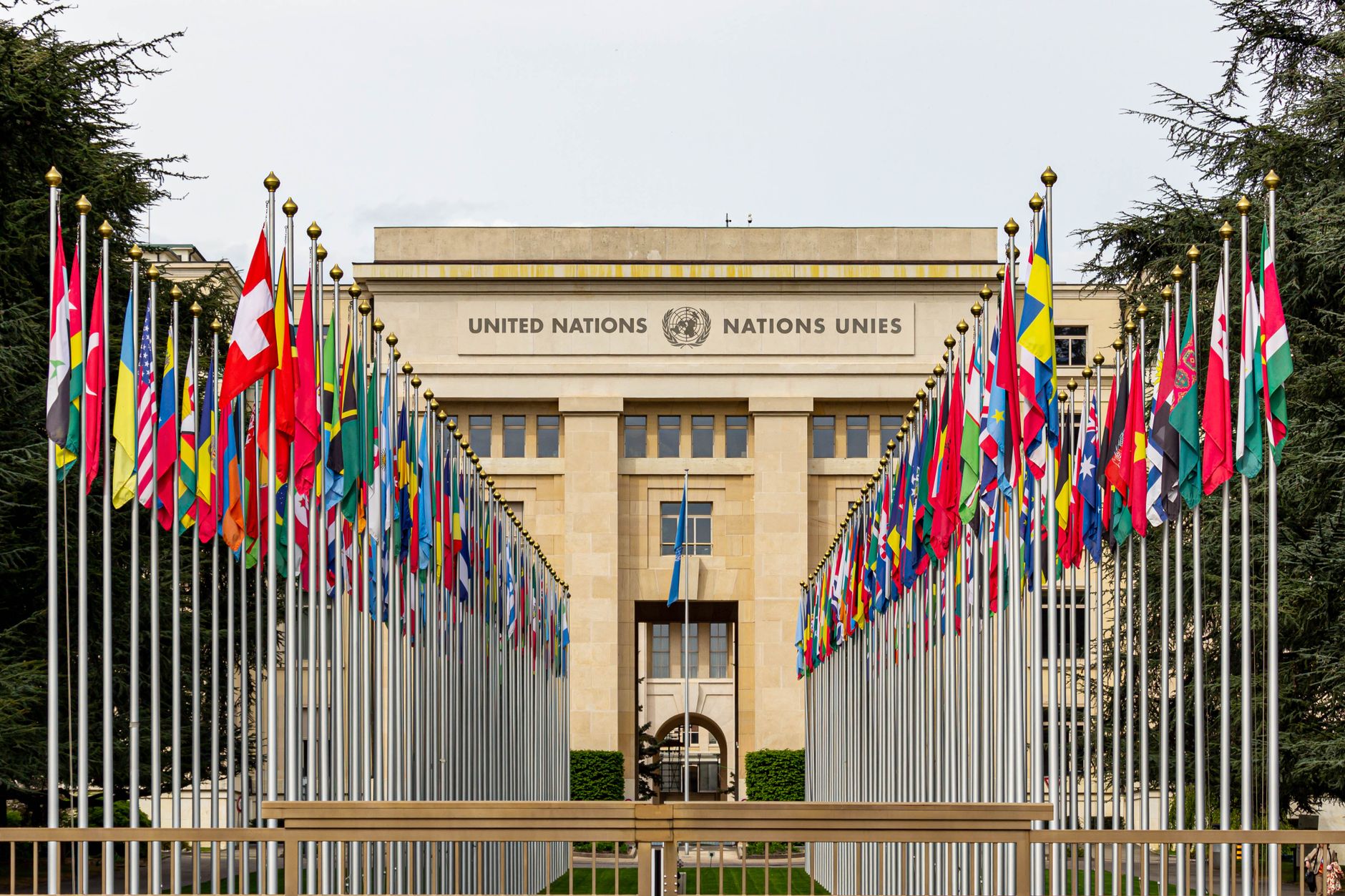
The air in New York is thick with anticipation as world leaders and diplomats descend upon the United Nations headquarters for what is arguably the most significant gathering in global diplomacy: the UN General Assembly. This year, the assembly's agenda is as poignant as it is pressing, with artificial intelligence (AI) and Middle Eastern geopolitics taking centre stage.
Outgoing Secretary-General António Guterres, in his final address before the assembly, emphasised the urgency of these discussions. 'The potential benefits of AI are immense,' he noted, 'but so are the risks.' This marks the first time AI has been placed so prominently on the assembly's agenda, underscoring the rapid pace at which technology is shaping global affairs.
A Digital Frontier
The inclusion of AI is no mere footnote. Nations are grappling with the dual-edged sword of innovation and regulation, as the implications of AI extend into every corner of society—from cybersecurity to employment, and ethical considerations. Dialogue at the assembly will likely explore frameworks for international cooperation in AI governance, a task as complex as the technology itself.
Tensions in the Middle East
Meanwhile, diplomatic tensions in the Middle East, particularly between the United States and Iran, loom large. The US President is expected to meet with Gulf leaders, highlighting the precarious nature of US-Arab relations. As negotiations unfold, the potential for breakthroughs or setbacks in these relations remains a focal point. The assembly offers a stage for both open dialogue and behind-the-scenes manoeuvres that could influence future policy.
The UN General Assembly is more than mere pomp and circumstance. It is a barometer of global priorities and a platform for nations to voice their concerns and ambitions. As Guterres steps down, the world watches closely, aware that the discussions in these hallowed halls could have far-reaching consequences.