Discovery of a Rare Pink Seaweed: A New Chapter in Marine Biology
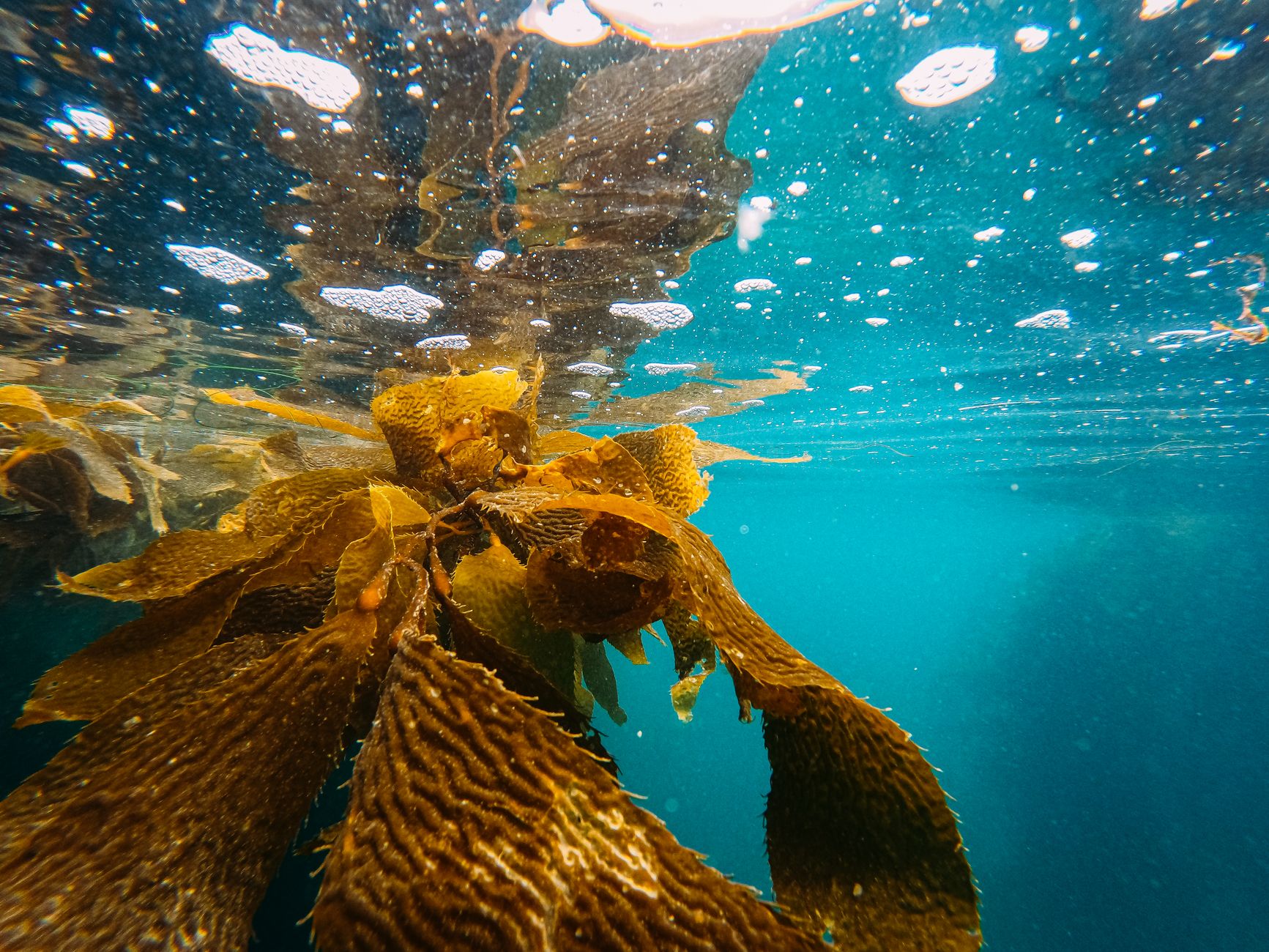
In the realm of marine exploration, the discovery of a new species is always a cause for celebration. This time, it's a rare pink seaweed that has captured the attention of scientists and marine biologists alike. Nestled in the maerl beds, these vibrant calcified carpets of seaweed, the pink seaweed was identified after years of painstaking research and analysis.
Prof Maggs, a leading marine biologist, had long suspected that this particular seaweed was something special. The challenge, however, lay in proving it. After conducting extensive fieldwork and trawling through existing literature, the team confirmed what had been suspected all along: this pink seaweed was indeed a new species, previously unknown to science.
The Journey to Discovery
The process was anything but straightforward. The team faced numerous challenges, including the need for a larger specimen to conduct formal identification. The maerl beds, often mistaken for coral due to their intricate, interlocking structures, provided a unique habitat for this seaweed. However, extracting a specimen without disturbing the delicate ecosystem required precision and patience.
Prof Maggs and her team were meticulous in their efforts. They spent countless hours in the field and lab, piecing together the genetic puzzle that would ultimately confirm the seaweed's status as a new species. Their dedication paid off, as they now have the evidence needed to formally recognise the seaweed.
Implications and Future Prospects
The implications of this discovery are significant. Not only does it expand our understanding of marine biodiversity, but it also opens up new avenues for ecological research. The unique properties of the pink seaweed could have applications in environmental conservation and even agriculture, as researchers explore its potential uses.
Dr Paul, a colleague of Prof Maggs, noted the broader implications for marine ecosystems. "Discoveries like this remind us of how much we still have to learn about the ocean's depths," he said. "Each new species adds another piece to the puzzle of our planet's biodiversity, and it's crucial that we continue to explore and understand these ecosystems."
This discovery underscores the importance of continued research and exploration in marine biology. As scientists delve deeper into the ocean's mysteries, who knows what other wonders await?