Dodla Dairy's Milky Struggles Amid Rising Costs
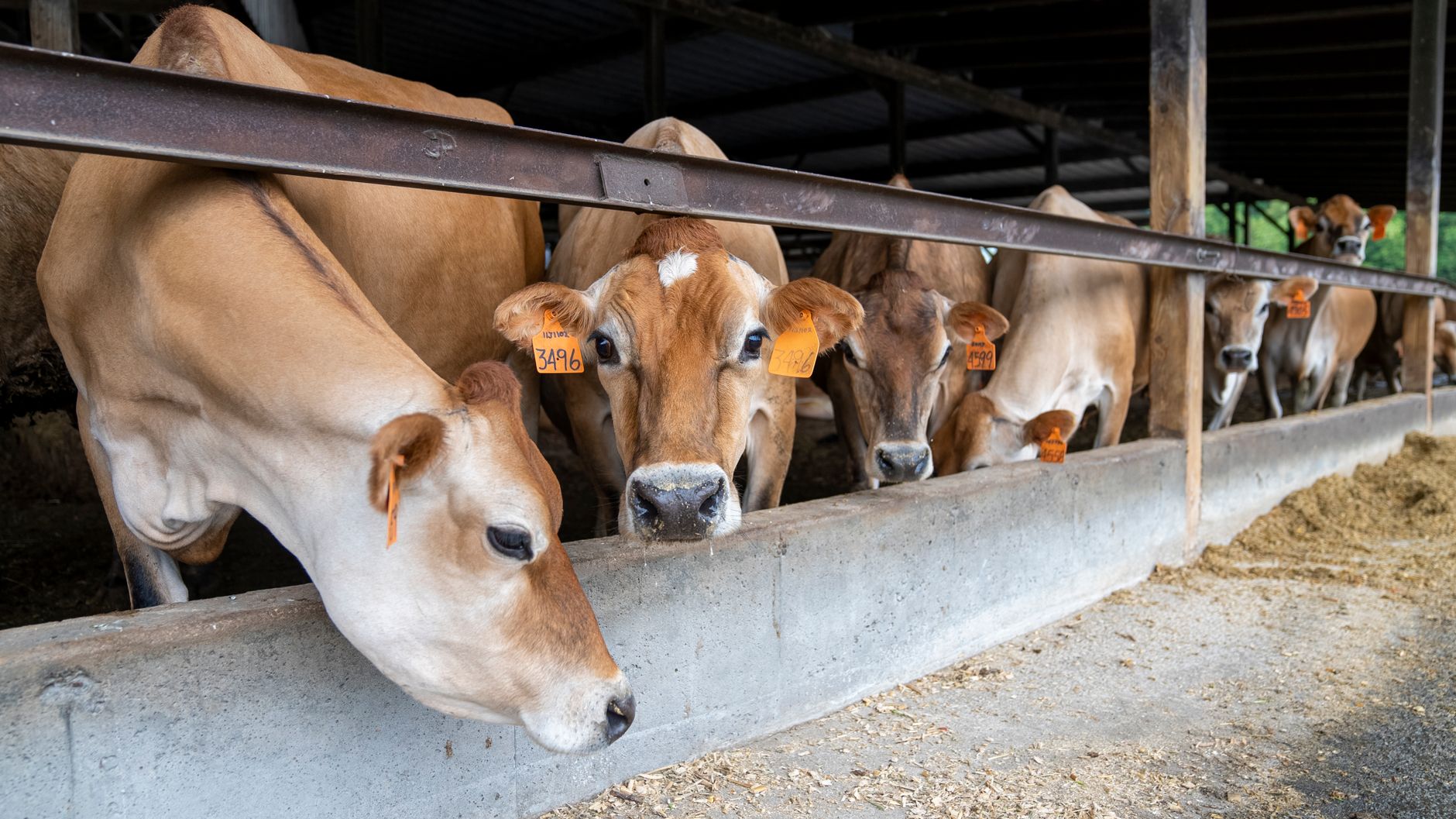
In the bustling realms of India's dairy industry, Dodla Dairy stands as a testament to the challenges of expanding a diversified product portfolio. Established in 1995 and based in Telangana, the company has long been a stalwart in the sale of milk and dairy-based products. Yet, its recent financial disclosures paint a picture of a business at a crossroads, grappling with cost pressures and market dynamics.
Rising Costs and Market Dynamics
The June-quarter results, announced last week, have been less than encouraging for Dodla Dairy. A significant factor has been the rising prices of milk, driven by the escalating costs of cattle fodder. This squeeze on margins comes as the company struggles to grow its value-added products beyond one-third of its business, a goal that has proven elusive over the years.
The company’s management has often highlighted its robust direct-procurement relationships with farmers as a strength. By paying nearly 93% of its farmers directly into their bank accounts, Dodla has managed to maintain volume growth even when raw milk has been scarce. However, this strategy hasn’t shielded it entirely from the broader economic pressures.
The Price of Overreliance
Dodla’s heavy dependence on basic dairy products has rendered it vulnerable to fluctuations in raw milk prices. While these products have served as a reliable revenue stream, the lack of diversification into value-added products — such as cheese, flavoured milk, and other dairy derivatives — has hampered its ability to capture higher profit margins.
In the stock market, the company’s share price reflected these challenges, witnessing a slight dip of 1.09% from its previous close. With a market cap of around Rs 6,406.81 crore, Dodla remains a key player in the FMCG sector, yet its recent performance underscores the pressing need for strategic diversification.
As the company navigates this complex landscape, the question remains: Can Dodla Dairy pivot its business model to embrace a broader range of products, or will it continue to feel the pinch of a market that favours versatility and innovation?