Earth's Alarming Energy Intake: A Troubling Climate Signal
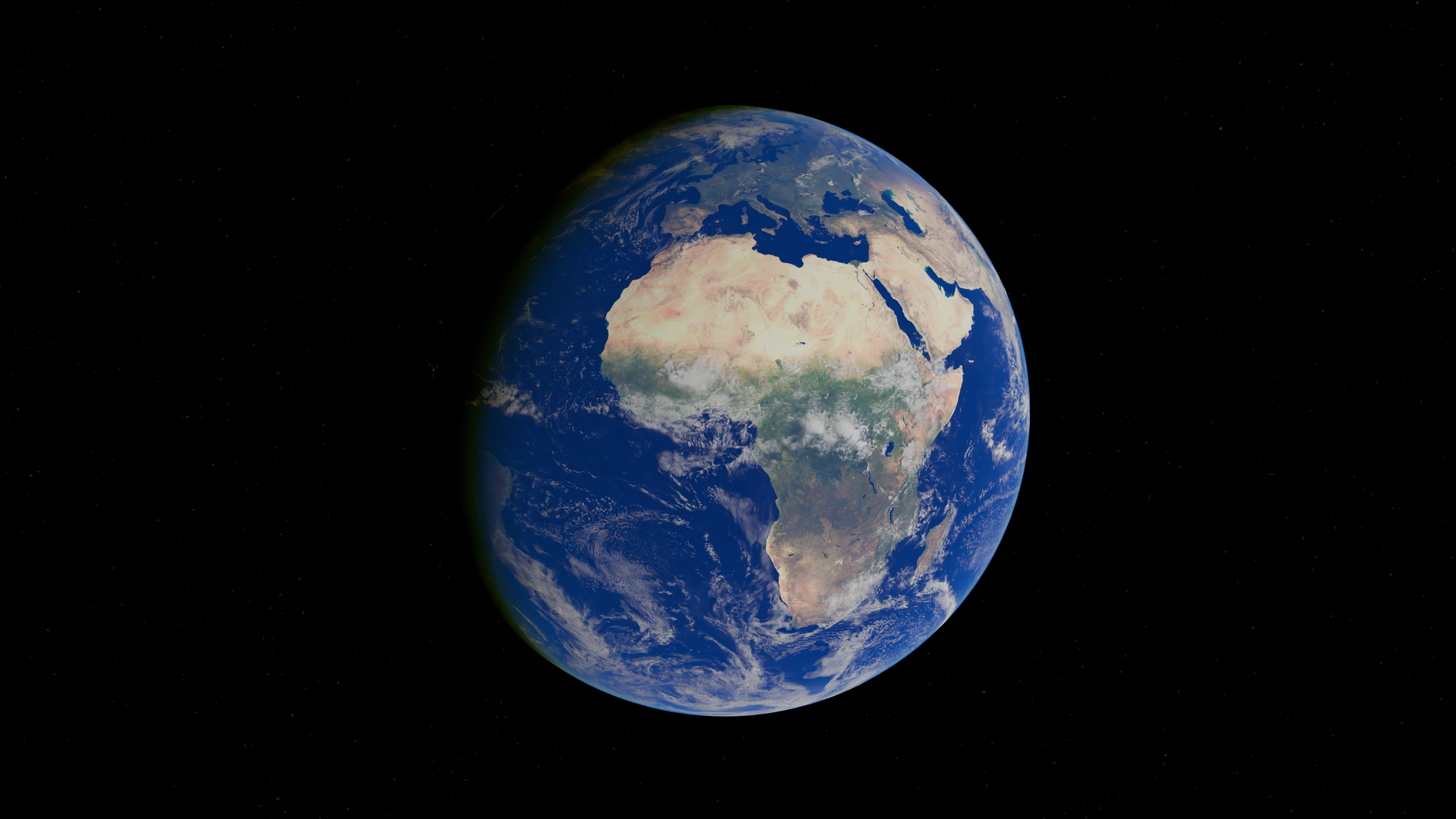
From the icy expanse of the Arctic to the lush rainforests of the Amazon, Earth's surface is absorbing energy at a rate that has scientists deeply concerned. Recent NASA data reveals that the planet's energy imbalance has more than doubled since the early 2000s, a trend with potentially dire consequences for climate stability.
At the heart of this issue is Earth's albedo, a measure of how much sunlight the planet reflects back into space. Albedo has been on the decline, particularly in the Northern Hemisphere, as ice melts and the concentration of aerosols reduces. Meanwhile, temporary offsets such as volcanic activity and wildfires in the Southern Hemisphere are proving insufficient to counterbalance the overall effect.
Dr. Emily Shaw, a leading climate scientist, notes, "The decline in albedo is a critical signal. It means more heat is being trapped, intensifying global warming." The ramifications of such an imbalance are profound, potentially altering weather patterns, raising sea levels, and impacting biodiversity.
The World Meteorological Organisation's recent report underscores the urgency of the situation. While weather patterns exhibit natural variability, the consistent increase in absorbed energy points to a systemic shift. This imbalance could lead to more extreme weather events, from intense hurricanes to severe droughts, affecting millions worldwide.
Addressing this challenge requires a multifaceted approach, including reducing greenhouse gas emissions and developing strategies to manage solar radiation more effectively. Failure to act could result in irreversible changes to our climate systems, scientists warn. As Dr. Shaw aptly puts it, "We are at a crossroads. Our actions today will determine the climate of tomorrow."