Earth's Diminishing Albedo: A Growing Concern for Scientists
The Earth, it seems, is going dark in more ways than one. Recent data has shown an alarming decline in the planet's albedo, the measure of its ability to reflect sunlight back into space. As the Earth absorbs more energy, climate scientists are sounding the alarm about the potential consequences of this imbalance.
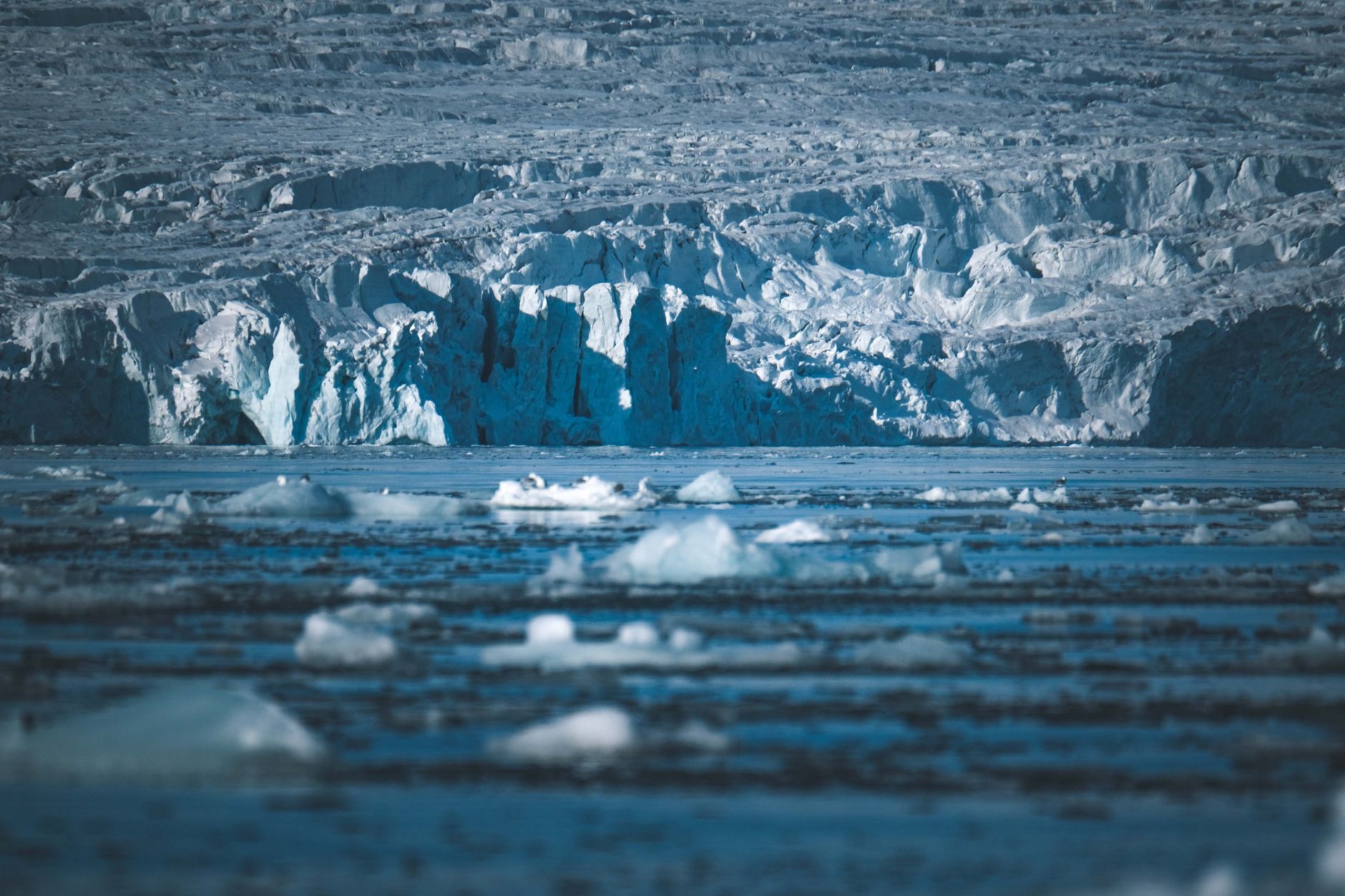
Between 2001 and 2024, the Earth has been losing its reflectivity, particularly in the Northern Hemisphere. This decline is primarily due to melting ice sheets and a reduction in atmospheric aerosols, which historically played a significant role in reflecting sunlight. The Southern Hemisphere, while temporarily offsetting this effect through volcanic activities and wildfires, cannot indefinitely counterbalance the changes occurring in the north.
NASA's recent findings highlight a doubling of Earth's energy imbalance, a metric that has become a focal point for climate researchers. This imbalance signifies that the Earth is trapping more heat than it is emitting back into space. Such a condition is likened to a household budget gone awry, where expenses far exceed income, leading to inevitable consequences.
The Implications of an Imbalanced Earth
Scientists warn that this shift in energy balance could exacerbate existing climate challenges. The increase in absorbed energy accelerates the warming of our oceans, intensifies weather patterns, and contributes to more frequent and severe natural disasters. The ramifications of these changes are far-reaching, affecting everything from sea levels to biodiversity.
While the Southern Hemisphere has temporarily cushioned some of these effects, it is unlikely this will continue indefinitely. The volcanic activity and wildfires that have provided some relief are neither predictable nor sustainable long-term solutions.
Efforts to mitigate these changes must focus on reducing greenhouse gas emissions and enhancing Earth's natural reflectivity. Strategies could include increasing global forest cover and exploring technological solutions such as solar geoengineering, though such measures come with their own set of ethical and environmental considerations.
A Call to Action
The urgency of addressing Earth's energy imbalance cannot be overstated. As scientists continue to gather data and refine models, the need for global cooperation in tackling climate change becomes ever more pressing. The fate of our planet may well hinge on how swiftly and effectively the international community responds to these alarming trends.