Earth's Life Support Systems in Crisis: Experts Sound Alarm
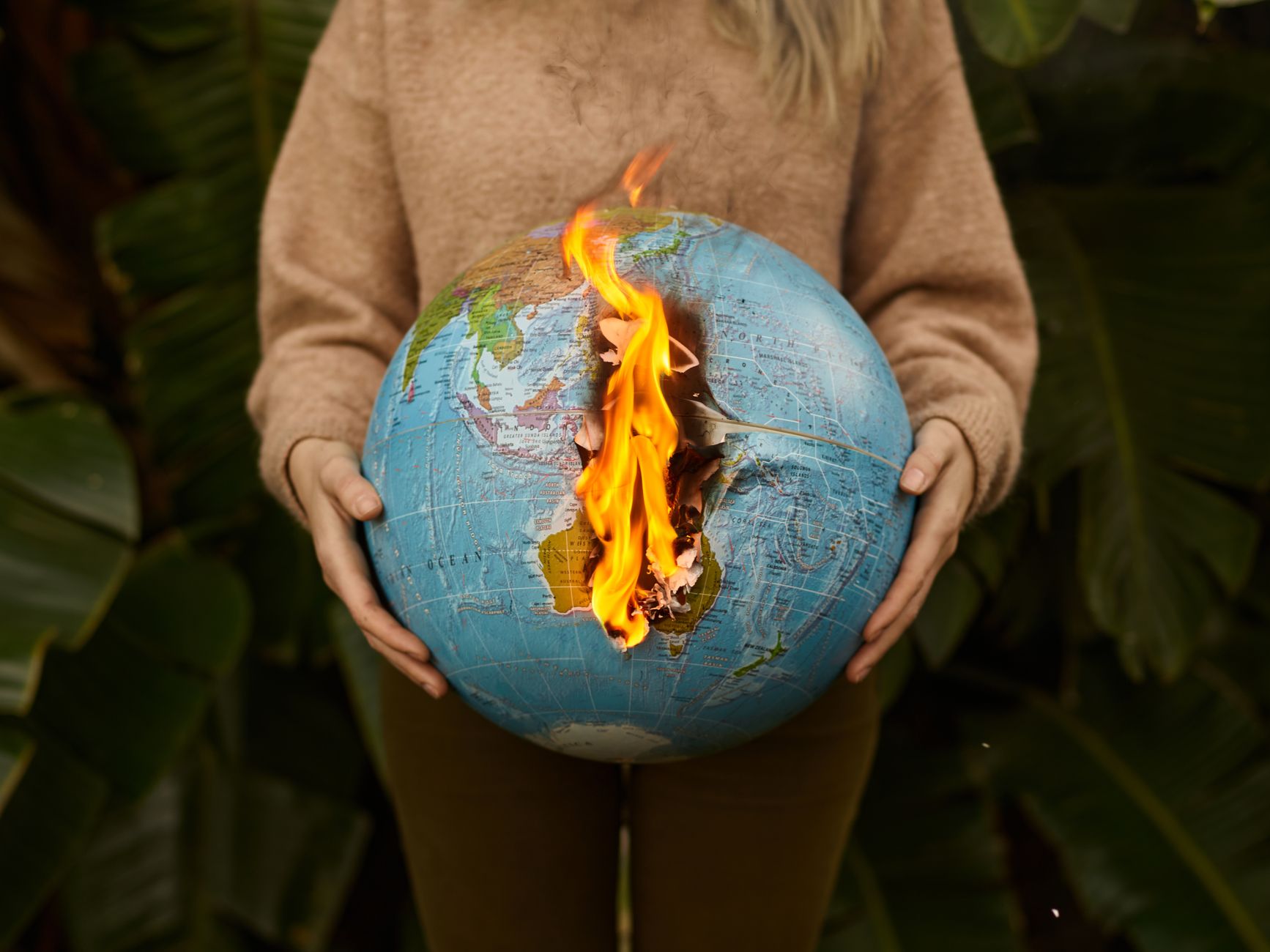
In a chilling assessment of our planet's health, scientists have sounded the alarm over the state of Earth's life support systems. The latest Planetary Health Check has revealed a dire reality: seven out of nine crucial planetary boundaries have been surpassed, threatening the environmental equilibrium that sustains life.
The concept of planetary boundaries was first introduced in 2009, providing a framework to evaluate the limits within which humanity can safely operate. These boundaries include critical environmental dimensions such as climate change, biosphere integrity, and freshwater use. The latest findings, however, paint a grim picture of rampant transgressions.
Exceeding Safe Limits
According to the report, the boundaries for biosphere integrity, which assesses genetic and functional diversity, are among the most severely breached. This indicator of Earth's vitality is crucial, as it supports ecosystems' resilience and capacity to adapt to changes. The current rate of species extinction and habitat destruction is unprecedented, driven by human activities such as deforestation, pollution, and urban expansion.
Climate change remains another significant transgression. Despite global efforts to curb emissions, greenhouse gases continue to rise, exacerbating extreme weather events and threatening coastal communities. The boundary for atmospheric carbon dioxide has long been surpassed, with little sign of reversal.
Call for Immediate Action
The breach of these boundaries is not merely an academic concern; it has far-reaching implications for humanity's future. The stability of our climate, ecosystems, and resources are intertwined with these limits. As the report suggests, ignoring these warnings could lead to irreversible damage, altering the planet's capacity to support human life.
Scientists are urging immediate and coordinated international efforts to mitigate the damage. This includes reducing emissions, conserving biodiversity, and managing natural resources sustainably. The challenge is immense, but the cost of inaction could be catastrophic.
In a world where environmental headlines often compete for attention, this report serves as a sobering reminder of the urgent need for a collective response. The survival of countless species, including our own, hinges on our ability to heed these warnings and act decisively.