Earth's Quickening Spin Sparks Leap Hour Debate
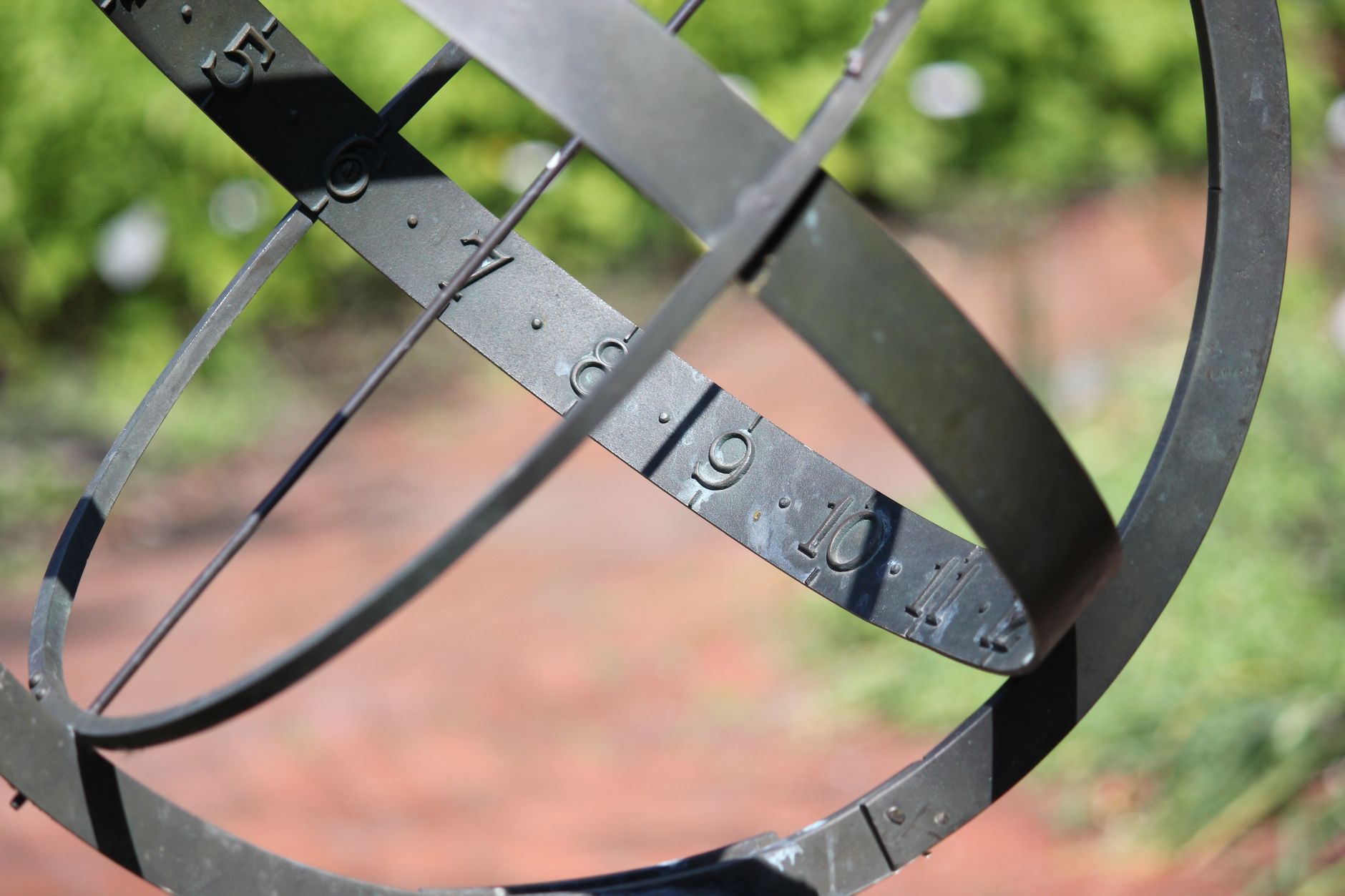
It seems that time, that most immutable of constructs, is not as steadfast as we might have hoped. The Earth's rapid rotation has compelled scientists to entertain the idea of a leap hour, a notion once relegated to the realm of science fiction.
Since 2015, the planet has been spinning at an unusually brisk pace. This acceleration, while barely perceptible to the human eye, poses significant challenges for precision timekeeping systems, which rely on the delicate balance between atomic time and Earth's rotational period.
The Rise of the Leap Hour
Traditionally, leap seconds have been utilised to maintain synchrony between Coordinated Universal Time (UTC) and the Earth's rotation. However, these seconds have proven to be a cumbersome remedy. Telecommunications and electricity networks, which depend on precise timing, have often found themselves at odds with these adjustments.
Enter the leap hour. While it may sound like a fanciful solution, the idea has garnered attention among international experts. The leap hour would allow for a more substantial adjustment, potentially eliminating the need for frequent and disruptive leap seconds. Yet, the implementation of such a measure is not imminent. Experts predict its necessity may not arise for thousands of years, given the current rate of Earth's acceleration.
Why It Matters
The implications of adopting a leap hour extend far beyond scientific curiosity. Our modern world is tightly bound to the precise tick of the clock. From global financial markets to navigation systems, even the slightest temporal discrepancy could lead to chaos.
While the leap hour remains a futuristic solution, the conversation it has sparked is vital. It underscores the need for ongoing vigilance and innovation in our understanding of time. As the Earth continues its unpredictable dance, humanity must remain ready to adapt, lest we find ourselves out of step with our very own planet.