Ebola Crisis Worsens in Congo as Virus Spreads to New Zones
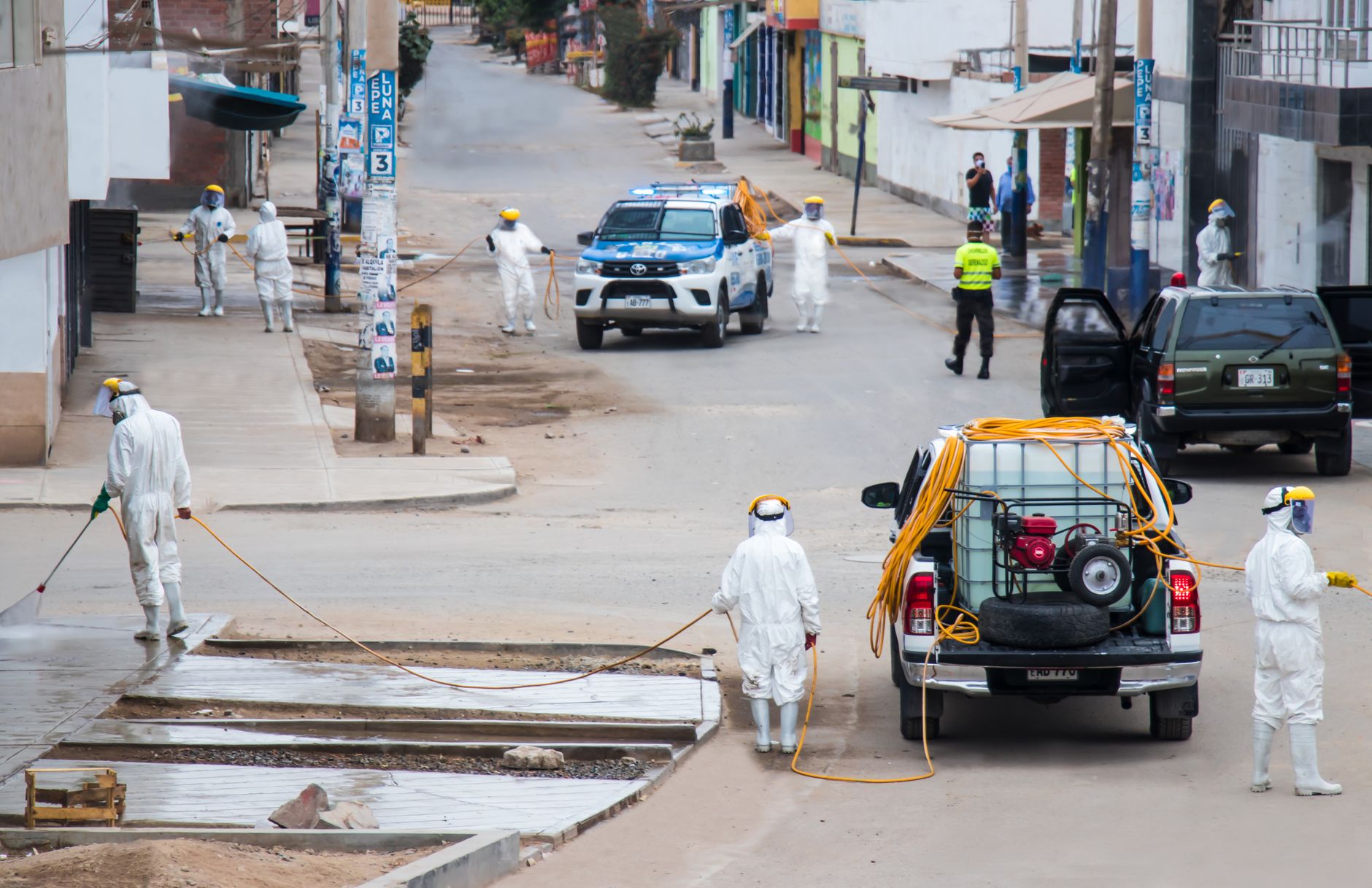
In an unsettling development, the Ebola outbreak in eastern Congo has expanded its reach, affecting two new health zones. The total number of zones now grappling with the virus stands at a daunting 60. This marks a significant escalation in the crisis that has been unravelling since May this year, with health authorities struggling to contain its spread.
On Thursday, the 27th of August, Congo's Health Minister, Roger Kamba, took a hands-on approach by administering an Ebola vaccine to a healthcare worker in Kisangani. The move, although symbolic, underscores the urgency of the situation, given that the Bundibugyo strain of the virus remains without a specific treatment or fully approved vaccine. The spread to additional zones comes on the back of a particularly grim day when 72 new cases were confirmed, one of the highest daily totals thus far.
Challenges of Containment
The outbreak, with 782 confirmed cases and 181 deaths, presents a stark challenge. The case fatality rate hovers around 23%, and only 56% of contacts are being traced, suggesting that the true scale of the outbreak might be even larger. This is compounded by the fact that the region is already battling a cholera outbreak, adding further strain to overstretched health resources.
Efforts to combat Ebola are not new to the Democratic Republic of the Congo (DRC), which has faced multiple outbreaks over the years. However, the current situation is exacerbated by the presence of the Bundibugyo strain, making it particularly challenging to manage. The strain's resilience against existing treatments necessitates accelerated research and development of new medical interventions.
International Response and Local Efforts
International health organisations have been mobilising resources and personnel to support the DRC's response. Yet, logistical challenges and security concerns in the region hinder the effectiveness of these efforts. Local healthcare workers remain at the forefront of this battle, risking their lives daily to provide care and administer vaccines.
As the world watches, the situation in eastern Congo serves as a sobering reminder of the persistent threat posed by infectious diseases. The international community's support, alongside local resilience, will be crucial in overcoming this health crisis.